
 EN
EN
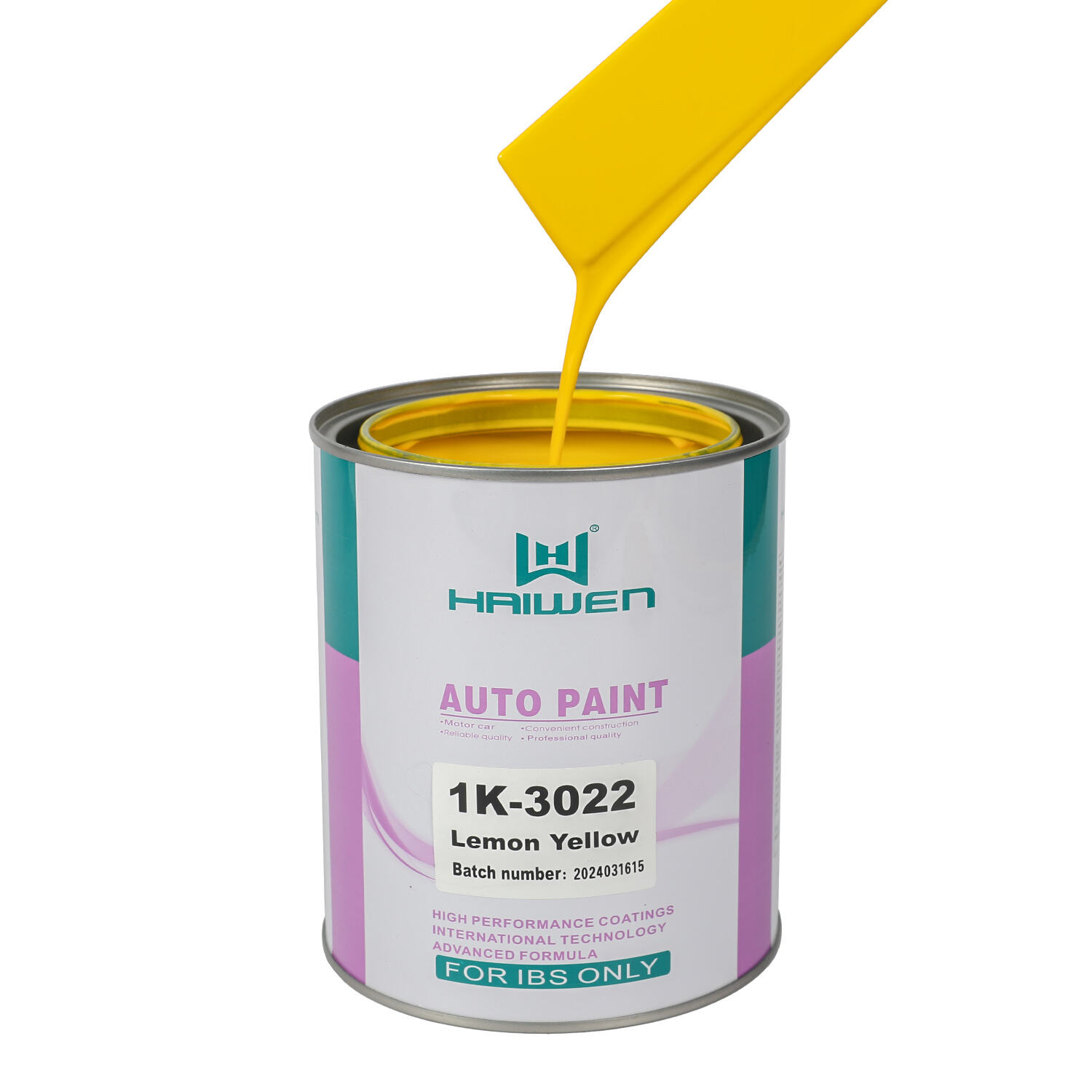
Автомобилните повърхности постоянно са изложени на околната среда – ултравиолетова радиация, киселинни дъждове, падащи предмети от пътя и температурни колебания. Професионалните бояджии и автолюбителите разбират, че постигането на дълготрайна защита и премиум външен вид изисква повече от просто нанасяне на базово боядисване. Нанасянето на прозрачен слой представлява критичната последна стъпка в автомобилното довършване, като осигурява защитния бариер и оптичната яснота, които отличават професионалните повърхности от любителската работа.
Индустрията за довършителна обработка на автомобили се е променила значително през последните десетилетия, като съвременните формулировки на прозрачни лакове осигуряват безпрецедентни нива на издръжливост и визуално подобрение. Тези напреднали системи за горно покритие използват сложна полимерна химия, за да създадат молекулни връзки, които устояват на деградация, като запазват оптичната прозрачност. Разбирането на науката зад технологията на прозрачните лакове позволява на професионалистите да избират подходящи продукти и методи за прилагане според конкретните изисквания на проекта.
Професионалните автомобилни бояджии осъзнават, че изборът на прозрачен лак влияе пряко както върху незабавните визуални резултати, така и върху дългосрочните характеристики. Различните формули предлагат различно време за втвърдяване, нива на твърдост и свойства на устойчивост, което прави познаването на продукта от съществено значение за успешното завършване на проекта. Инвестицията във висококачествена технология за прозрачен лак се изплаща чрез намаляване на гаранционните претенции, повишена удовлетвореност на клиентите и подобрена репутация на сервиза.
Разбиране на технологията и състава на прозрачното покритие
Напреднала полимерна химия в съвременните формулировки
Современен прозрачен слой системите използват сложна акрилна полиуретанова химия, за да осигурят отлични експлоатационни характеристики. Тези формулировки включват агенти за крос-линковане, които създават триизмерни полимерни мрежи по време на процеса на втвърдяване. Получената молекулна структура осигурява изключителна адхезия към лежащия основен слой, като същевременно запазва гъвкавостта, необходима за компенсиране на топлинните цикли на разширяване и свиване.
Стабилизаторите UV представляват друг важен компонент в съвременните формули за прозрачни слоеве, които предпазват както самия горен слой, така и лежащите под него цветни слоеве от фотодеградация. Тези добавки абсорбират вредното ултравиолетово излъчване и го преобразуват в безвредна топлинна енергия, предотвратявайки реакции на разкъсване на веригата, които водят до повреди в покритието. Напредналите формули могат да включват няколко типа UV абсорбери, за да осигурят защита в широк спектър от дължини на вълните.
Модификаторите на реологията контролират течността и изравняването на прозрачен слой по време на нанасяне, осигурявайки равномерна дебелина на филма и премахване на повърхностни дефекти като оранжева кора или следи от стичане. Тези добавки действат, като временни намалят вискозитета по време на напръскване, но запазват подходяща дебелина на филма по вертикални повърхности. Прецизното балансиране на реологичните свойства позволява професионални резултати при различни условия на нанасяне.
Двукомпонентни срещу еднокомпонентни системи
Двукомпонентни прозрачен слой системите предлагат превъзходни експлоатационни характеристики чрез контролирани реакции на напречна връзка между смолата и отвердителя. Тези формулировки осигуряват подобрена устойчивост към химикали, по-голяма твърдост и удължен срок на служба в сравнение с еднокомпонентните алтернативи. Процесът на смесване активира химията на напречната връзка, като създава ограничен период на употреба, изискващ ефективни процедури за нанасяне.
Професионалните работилници предпочитат двукомпонентни системи за висококачествени приложения за довършително боядисване, където максималната издръжливост оправдава допълнителната сложност и разходи. Тези формулировки обикновено се отверждават до по-висока плътност на напречната връзка, което води до превъзходна устойчивост към околната среда и механични повреди. Подобрените експлоатационни характеристики правят двукомпонентният прозрачен лак идеален за луксозни превозни средства и търговски паркове.
Еднокомпонентните системи осигуряват удобство и по-дълъг жизнен срок на сместа за работилници с по-ниски изисквания за производителност или специфични приложни ограничения. Въпреки че предлагат намалена производителност в сравнение с двукомпонентните алтернативи, съвременните еднокомпонентни прозрачен слой формули обеспечават приемлива дълготрайност за много приложения. Опростените процедури за смесване и нанасяне намаляват разходите за труд и минимизират отпадъците от материали в по-малки операции.
Повишаване на дълготрайността чрез нанасяне на прозрачен слой
Химична устойчивост и защита на околната среда
Профессионална класа прозрачен слой формулите осигуряват изключителна устойчивост към широк спектър от химически замърсители, често срещани в автомобилни сервизни среди. Киселинни дъждове, смола от дървета, птичи изпражнения и разливи на гориво представляват сериозна заплаха за автомобилните повърхности, но правилно нанесеният прозрачен слой създава ефективна бариера срещу тези агресивни вещества. Мрежата от напречни връзки устойчив полимер устоява на проникването на повечето органични разтворители и запазва структурната си цялост при химическо въздействие.
Устойчивостта на солен пръскателен разпръскване е от особено значение за превозни средства, работещи в прибрежни зони или в райони, където се използва пътна сол през зимните месеци. Висококачествените системи за прозрачно покритие подлагат обширно тестване на солен пръскателен разпръскване, за да се потвърди дългосрочната им производителност при тези трудни условия. Защитният бариер предотвратява проникването на хлоридни йони, които в противен случай биха могли да инициират корозивни процеси на ниво на металния субстрат.
Устойчивостта към температурни цикли осигурява, че прозрачен слой запазва адхезията и еластичността в целия спектър на екстремни температури, срещани при автомобилна употреба. Професионалните формулировки подлагат тестване за термичен шок, за да се потвърди производителността им при условия на поднулеви температури до високите температури, на които се излагат повърхностите на превозните средства през летните месеци. Тази термична стабилност предотвратява напукване, отделяне и други видове повреди, свързани с температурата.
Механична издръжливост и устойчивост на абразия
Твърдостните характеристики на затвореното прозрачен слой влияят директно върху устойчивостта към драскотини, захабяване и други механични повреди по време на експлоатация и поддръжка на превозното средство. Формулите от професионална класа постигат оптимални нива на твърдост, които осигуряват защита, като същевременно запазват достатъчна гъвкавост, за да се предотврати крехко разрушаване. Изпитвания за твърдост с молив и оценки на устойчивостта към драскотини помагат за количествено определяне на тези важни експлоатационни параметри.
Устойчивостта към отломки от камъни е още един критичен фактор за издръжливостта, особено за превозни средства, работещи на чакълести пътища или строителни площадки. Напредналите формули за прозрачен слой включват модификатори на удар, които абсорбират и разсейват енергията от удара, предотвратявайки разпространението на пукнатини от малки повърхностни повреди. Тази повишена здравина удължава срока на служба и запазва качеството на външния вид при изискващи условия на експлоатация.
Характеристиките за полирване позволяват възстановяване на лъскавината и външния вид чрез рутинни процедури за поддръжка, без да се компрометира прозрачен слой цялостност. Професионалните формулировки балансират твърдостта с достатъчна обработваемост, за да се позволи нанасянето на съединения и полирани продукти за отстраняване на дефекти. Тази поддръжка удължава ефективния срок на служене и запазва инвестициите в премиум системи за завършване.
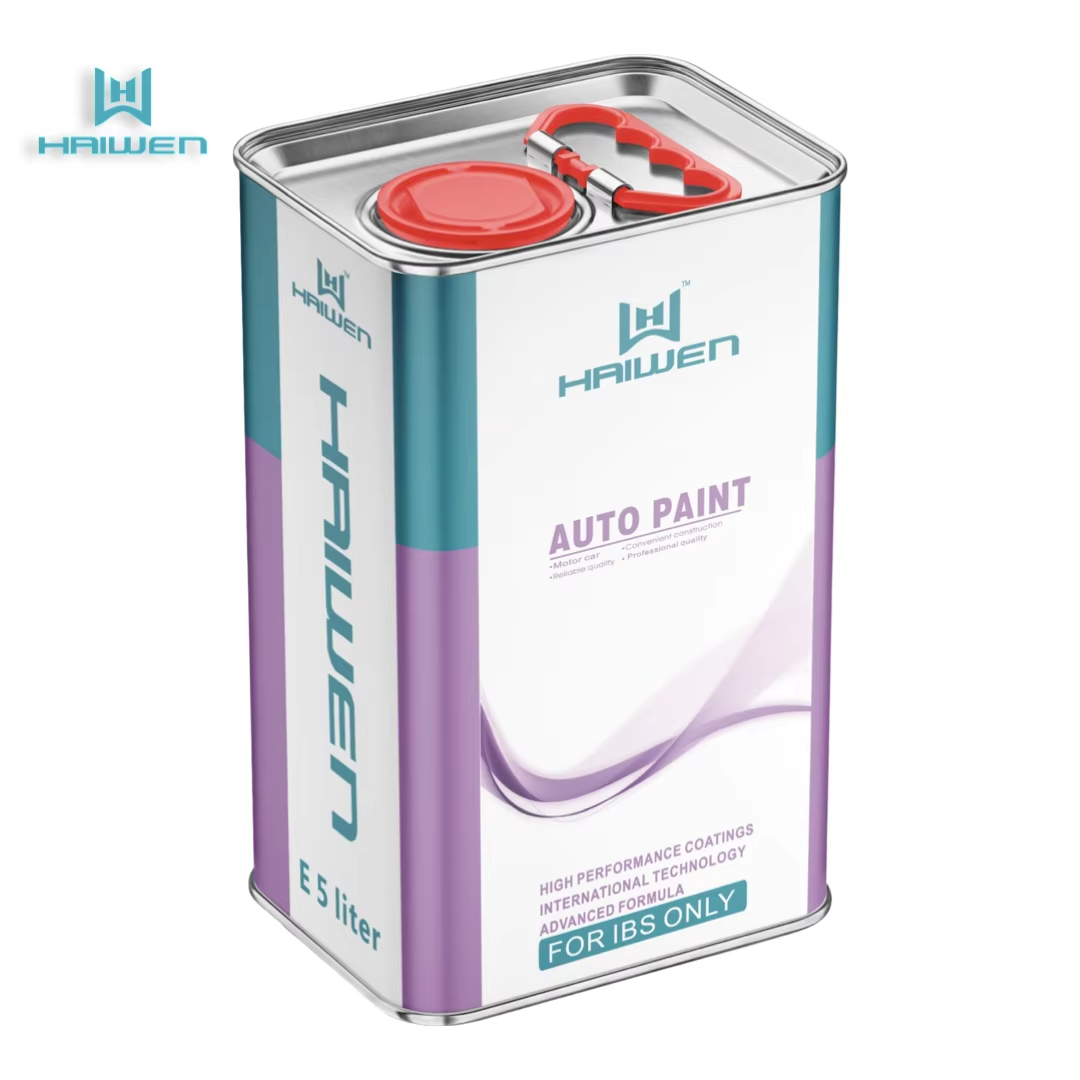
Оптично подобрение и качество на външния вид
Развитие на лъскавината и свойства на отразяване на светлината
Оптичните свойства на прозрачен слой системите директно определят крайното качество на външния вид и възприетата стойност на автомобилните повърхности. Формулировките с висока лъскавина създават повърхности, подобни на огледала, които подобряват наситеността на цвета и дълбочината на възприятието чрез контролирано отразяване на светлината. Молекулярната гладкост, постигната по време на правилното втвърдяване, създава равномерната повърхност, необходима за специфично отразяване и премиум външност.
Измерванията на яснота на изображението (DOI) количествено определят способността на повърхности с прозрачен слой да създават остри, недеформирани отражения. Професионални системи постигат стойности на DOI, които се конкурират с фабричните OEM покрития, като създават дълбок и лъскав вид, характерен за висококачествени автомобилни покрития. Крайното представяне на DOI се определя от комбинацията от подходяща подготовка на повърхността, техника на нанасяне и условия на втвърдяване.
Засилването на цвета се осъществява чрез оптичния ефект на усилване, създаден от нанасянето на висококачествен прозрачен слой върху метални и перлести основни слоеве. Прозрачният защитен слой позволява на светлината да проникне и да взаимодейства с ефектните пигменти, като осигурява гладката повърхност, необходима за оптимално развитие на цвета. Това оптично подобрение оправдава допълнителните разходи и сложността на многостепенните системи за покритие.
Гладкост на повърхността и предпазване от дефекти
Характеристики на изравняване на професионални прозрачен слой формулациите премахват спрей текстурата и създават равномерната повърхност, необходима за висококачествен външен вид. Напредналото управление на реологията позволява на мокрия филм да тече и изглажда след атомизацията, като запазва достатъчна вискозност, за да се предотвратят стичания и провисвания по вертикални повърхности. Балансът между тези противоречащи си изисквания изисква внимателна оптимизация на формулациите и правилни параметри на прилагане.
Съпротивата на замърсяване по време на етапа на мокър филм предотвратява вмъкването на прах, пилинки и други въздушни частици, които биха нарушили качеството на повърхността. Брзо втвърдяващите се формули намаляват уязвимия период, в който може да се появи замърсяване, като същевременно осигуряват достатъчно време за течение за правилно изравняване. Условията в кабината за пръскане и системите за въздушна филтрация работят в съчетание с прозрачен слой свойствата, за да се постигнат бездефектни резултати.
Контролът на текстурата „портокалова кора“ представлява критичен аспект на професионалното довършване, тъй като структурата на повърхността директно влияе на възприемането на качеството и характеристиките на отразяване на светлината. Правилното налягане за атомизация, припокриването на разпръсквания модел и контролът на дебелината на филма помагат за минимизиране на образуването на „портокалова кора“. Висококачествените формулировки за прозрачен слой осигуряват добри свойства на разливане, които допринасят за постигане на гладките повърхности, изисквани при премиум приложения за довършване.
Техники за прилагане и най-добри практики
Подготовка на повърхността и съвместимост с основата
Успешен прозрачен слой прилагането започва с внимателна подготовка на повърхността и проверка за съвместимост с основата. Базовите системи трябва да достигнат правилно състояние на втвърдяване преди нанасяне на прозрачния слой, за да се гарантира адекватна адхезия и да се предотвратят проблеми като изпарение на разтворителя или други повреди на междуслойното залепване. Изискванията за време на изветряване варират при различните комбинации от базов и прозрачен слой, затова е задължително консултиране с техническия паспорт на продукта.
Премахването на замърсявания чрез почистване с лепкава кърпа или продухване с въздух елиминира частици, които биха могли да наруши качеството на повърхността или да предизвикат проблеми с адхезията. Може да се наложи използването на системи за неутрализиране на статично електричество в среди с ниска влажност, където електростатичното привличане натрупва прах и влакна върху подготвените повърхности. Инвестирането в правилни процедури за подготовка предотвратява скъпоструващи поправки на дефектни работи.
Температурните и влажностни условия оказват значително влияние прозрачен слой успешното нанасяне и крайните експлоатационни характеристики. Оптималните условия в околната среда за пръскане обикновено попадат в диапазоните, зададени от производителя, за температура и относителна влажност. Отклоненията от препоръчителните условия могат да доведат до матовост, бавни скорости на втвърдяване или други дефекти при нанасяне, които увреждат външния вид и дълготрайността.
Настройка и калибриране на пръскачното оборудване
Правилният подбор и настройка на пръскачния пистолет осигурява оптимална атомизация и висок коефициент на пренасяне за прозрачен слой приложение. Комбинациите от флуидна дюза и въздушна капачка трябва да съответстват на вискозитета и потоците на конкретните формули, за да се постигне правилният модел на разпрашване и разпределение на размера на капките. Редовното поддържане и почистване на оборудването предотвратява проблеми с контаминация, които биха могли да компрометират качеството на покритието.
Регулирането на въздушното налягане контролира качеството на атомизацията и характеристиките на надрасзването по време на нанасяне на прозрачен слой. Твърде високо налягане създава фини разпрашени частици, които могат да се отлагат върху мокри повърхности и да влошат външния вид, докато недостатъчно налягане води до лоша атомизация и проблеми с текстурата на повърхността. Настройките на налягането трябва да бъдат оптимизирани за конкретни комбинации от пистолет и материал според препоръките на производителя.
Покриването на разпрашения модел и контролът на дебелината на филма изискват последователна техника и правилна калибрация на оборудването. Единна прозрачен слой дебелината осигурява последователен външен вид и издръжливост по цялата повърхност. Измерватели на дебелина на мокра филмова покривка помагат за проверка на правилните норми за нанасяне и идентифициране на участъци, които изискват допълнително покритие или корекция.
Процеси на втвърдяване и контрол на качеството
Топлинни изисквания за втвърдяване и оптимизация
Профессионална класа прозрачен слой системите обикновено изискват втвърдяване при повишена температура, за да се постигне оптимална плътност на напречното свързване и желаните експлоатационни характеристики. Системите за отопление на пръскачни кабини трябва да осигуряват равномерно разпределение на температурата, за да гарантират последователни скорости на втвърдяване по големи панели или цели превозни средства. Системите за наблюдение и регулиране на температурата подпомагат поддържането на оптимални условия през целия цикъл на втвърдяване.
Оптимизирането на времето за вулканизация осигурява баланс между изискванията за производителност и съображенията за качество, тъй като недостатъчната вулканизация може да доведе до намалена дълготрайност и по-лоша ефективност. Прекомерната вулканизация също може да причини проблеми, като крехкост или намалена адхезия към последващите слоеве покритие. Разбирането на връзката между време и температура за конкретни формулировки на прозрачни лакове позволява ефективно планиране на производството при запазване на стандартите за качество.
Въздушната циркулация и вентилацията по време на вулканизация отстраняват парчета разтворители и осигуряват равномерни температурни условия в цялата среда на работното помещение за напръскване. Правилните модели на въздушния поток предотвратяват горещи петна и температурни вариации, които биха могли да доведат до неравномерни характеристики на вулканизацията или дефекти във външния вид. Инвестицията в качествено оборудване за вулканизация се отплаща чрез последователни резултати и намалени нужди от преработка.
Оценка на качеството и изпитване на ефективността
Измерването на блясъка с калибрирани блясъкометри осигурява обективна оценка на прозрачен слой външният вид и помага за идентифициране на вариации в процеса, които биха могли да повлияят на удовлетвореността на клиента. Редовният мониторинг на нивата на глянец позволява ранно откриване на проблеми при нанасянето или втвърдяването, преди те да доведат до отхвърлена работа. Стандартизираните методи за измерване осигуряват последователни критерии за оценка сред различни оператори и временни периоди.
Тестовете за адхезия чрез решетъчни или отлепващи методи потвърждават якостта на връзката между прозрачния слой и лежащите под него слоеве. Лошата адхезия обикновено се дължи на замърсяване, неправилна подготовка на повърхността или несъвместими комбинации от материали. Ранното откриване на проблеми с адхезията предотвратява аварийни ситуации на терен и гаранционни претенции, които биха могли да навредят на репутацията и печалбите на сервиза.
Проверката за съвпадение на цвета гарантира, че прозрачен слой приложението не оказва неблагоприятно влияние върху външния вид на основните системи за боядисване. Ефектите на метамерия и промяната на цвета могат да възникнат при определени формулировки на прозрачни слоеве, което прави оценката на цвета под различни източници на светлина важна за контрола на качеството. Цифровите системи за съвпадение на цветове помагат да се количествено определят тези ефекти и да се гарантира допустимо възпроизвеждане на цветовете.
ЧЗВ
Какви фактори определят оптималната дебелина на прозрачния слой за автомобилни приложения?
Оптимален прозрачен слой дебелината обикновено варира между 2,0 и 2,5 mils за повечето автомобилни приложения, като постига баланс между изискванията за издръжливост, съображенията за разходи и ефективността на процеса на отвързване. По-дебелите нанасяния могат да осигурят по-добра защита, но увеличават разходите за материал и времето за отвързване, като в същото време потенциално могат да предизвикат проблеми с адхезията поради напрежение. Разредител нанасянията намаляват употребата на материал, но могат да компрометират дългосрочната издръжливост и възможностите за полирване, които са от съществено значение за премиум повърхности.
Как температурата на околната среда влияе върху нанасянето и възпроизводството на прозрачния слой?
Температурата оказва значително влияние както върху приложните характеристики, така и върху крайната производителност на прозрачен слой системите, като оптималната температура в околната камера обикновено е в диапазона 70-80°F за повечето професионални формули. По-ниските температури забавят изпарението на разтворителя и реакцията на напречно свързване, което потенциално може да доведе до дефекти при течение или непълно отвърждане, докато по-високите температури могат да причинят бързо губене на разтворител и образуване на повърхностна корица, което попречва на правилното формиране и изглаждане на филма.
Какви процедури по поддръжка помагат за запазване на външния вид и издръжливостта на прозрачното покритие с течение на времето?
Редовното миене с pH-неутрални автомобилни шампоани премахва замърсителите, преди те да могат да проникнат или химически да атакуват прозрачен слой повърхността, докато периодичното нанасяне на карнаубски восък или синтетични херметици осигурява допълнителна защита и подобряване на блясъка. Професионалните полирани състави могат да премахнат малки драскотини и да възстановят блясъка, когато се прилагат правилно, но трябва да се избягват агресивни абразиви, за да не се намали дебелината на прозрачния слой, което може да компрометира дългосрочната издръжливост.
Как различните формулировки на прозрачни слоеве се сравняват по отношение на ремонтопригодността и процедури за точков ремонт?
Двукомпонентни прозрачен слой двукомпонентните системи обикновено предлагат по-добра ремонтопригодност благодарение на способността им да се свързват химически с вече затворените филми по време на процедурите за точков ремонт, докато еднокомпонентните системи могат да изискват по-значителна подготовка на повърхността, за да се постигне адекватна адхезия. Химията на крослинковане при преоцените формулировки позволява техники за смесване с феATHER-EDGE, които създават незабележими граници на ремонта, което ги прави идеални за висококачествени довършителни работи, където качеството на външния вид е от първостепенно значение.
Съдържание
- Разбиране на технологията и състава на прозрачното покритие
- Повишаване на дълготрайността чрез нанасяне на прозрачен слой
- Оптично подобрение и качество на външния вид
- Техники за прилагане и най-добри практики
- Процеси на втвърдяване и контрол на качеството
-
ЧЗВ
- Какви фактори определят оптималната дебелина на прозрачния слой за автомобилни приложения?
- Как температурата на околната среда влияе върху нанасянето и възпроизводството на прозрачния слой?
- Какви процедури по поддръжка помагат за запазване на външния вид и издръжливостта на прозрачното покритие с течение на времето?
- Как различните формулировки на прозрачни слоеве се сравняват по отношение на ремонтопригодността и процедури за точков ремонт?
