
 EN
EN
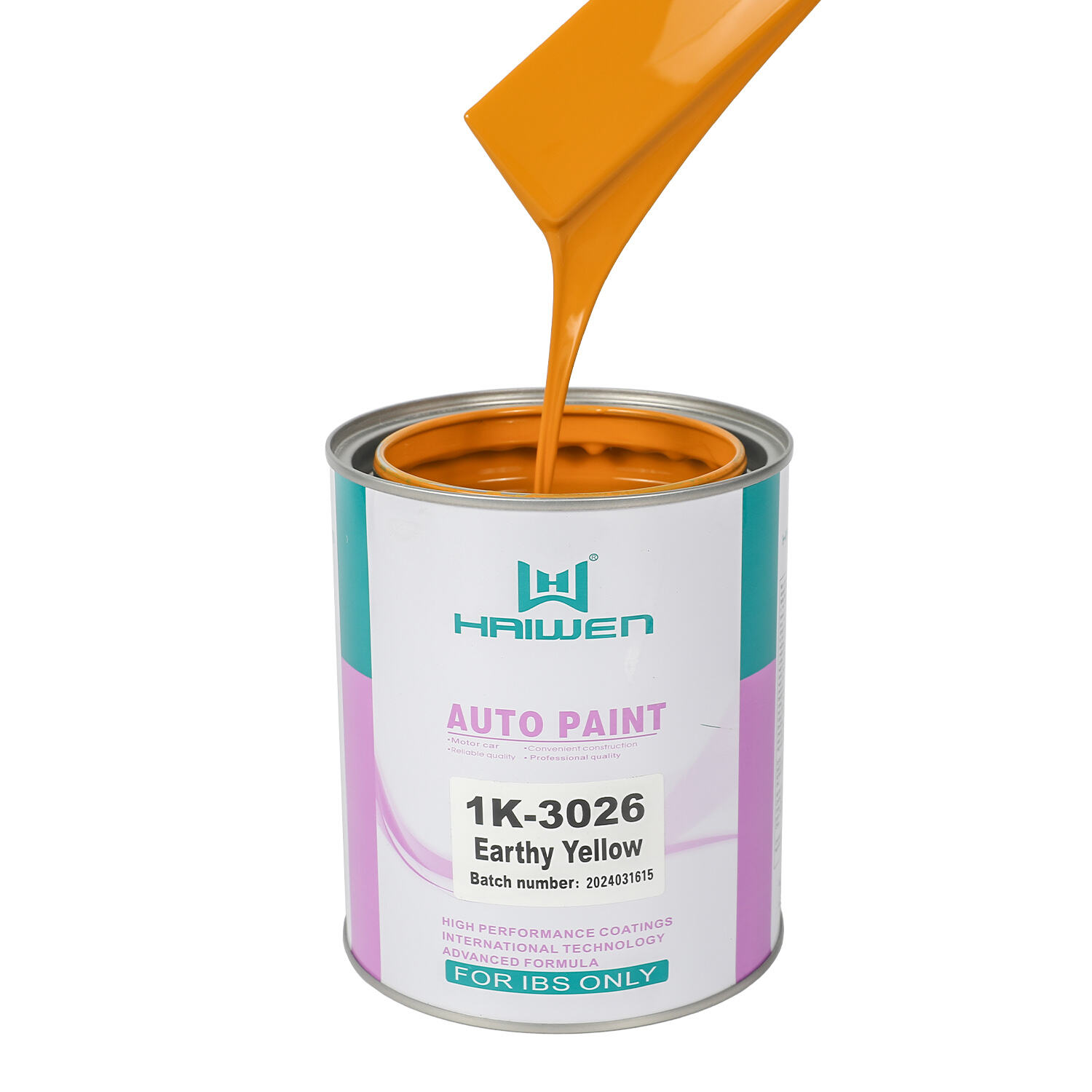
Proper storage conditions are crucial for maintaining the quality and performance of 1K paint systems in automotive refinishing applications. Unlike two-component systems that require mixing before application, single-component paints depend heavily on optimal storage environments to preserve their chemical integrity and ensure consistent performance throughout their shelf life. Understanding the specific requirements for temperature control, humidity management, and container handling can significantly extend the usable life of these coating materials while maintaining their intended color matching and coverage properties.
Temperature Control Requirements for Single-Component Coatings
Optimal Storage Temperature Ranges
Maintaining consistent temperature conditions between 15°C and 25°C (59°F to 77°F) provides the ideal environment for preserving 1K paint formulations. These temperature parameters prevent thermal degradation of key binders and pigments while avoiding the crystallization or separation that can occur in extreme cold conditions. Professional paint storage facilities typically implement climate control systems that maintain these ranges year-round, ensuring product stability regardless of external weather variations.
Temperature fluctuations pose significant risks to coating integrity, particularly when containers experience repeated freeze-thaw cycles or exposure to elevated heat sources. Rapid temperature changes can cause container expansion and contraction, potentially compromising seal integrity and allowing moisture ingress. Storage areas should be located away from heating systems, direct sunlight, and uninsulated walls that may transfer external temperature variations to the paint containers.
Avoiding Temperature-Related Degradation
Excessive heat exposure accelerates solvent evaporation and can trigger premature polymerization reactions in 1K paint systems, leading to increased viscosity and reduced workability. Storage temperatures exceeding 30°C (86°F) for extended periods may cause irreversible changes to the coating's flow characteristics and color stability. Professional facilities often install temperature monitoring systems with alarm capabilities to alert personnel when storage conditions drift outside acceptable parameters.
Cold storage conditions below 5°C (41°F) can cause pigment settling, binder separation, and the formation of crystalline structures that affect paint performance. While some 1K paint formulations may recover from brief cold exposure through proper mixing, repeated or prolonged cold storage typically results in permanent quality degradation. Insulated storage buildings or heated storage rooms provide reliable protection against seasonal temperature variations in most climatic regions.
Humidity Management and Moisture Prevention
Relative Humidity Control Standards
Maintaining relative humidity levels between 45% and 65% creates an optimal environment for long-term 1K paint storage while preventing moisture-related contamination. Higher humidity levels increase the risk of water vapor infiltration through container seals, particularly in partially used containers with increased headspace. Dehumidification systems in professional storage facilities help maintain consistent moisture levels throughout seasonal humidity variations.
Moisture contamination represents one of the most common causes of premature paint degradation, leading to viscosity changes, color shifts, and application problems. Water ingress can trigger hydrolysis reactions with certain binder systems and create conditions favorable for microbial growth in organic coating formulations. Regular humidity monitoring and documentation help identify potential storage environment issues before they affect product quality.
Container Sealing and Vapor Barrier Protection
Proper container sealing techniques significantly impact the long-term stability of 1K paint systems by preventing moisture and oxygen infiltration. Original manufacturer containers typically feature specialized barrier linings and precision-fitted lids designed to maintain hermetic seals throughout the product's intended shelf life. When transferring paint to alternative containers, selecting materials with appropriate vapor barrier properties becomes essential for maintaining product integrity.
Secondary containment systems, such as vapor barrier bags or desiccant-equipped storage cabinets, provide additional protection against moisture infiltration in high-humidity environments. These systems prove particularly valuable for partially used containers where increased headspace creates greater opportunity for moisture accumulation. Regular inspection of container seals and replacement of damaged or worn sealing components helps maintain optimal barrier performance throughout the storage period.
Light Protection and UV Exposure Prevention
Photodegradation Risks in Coating Materials
Ultraviolet radiation exposure poses significant risks to 1K paint stability, particularly for formulations containing photosensitive pigments or organic binders susceptible to UV-induced degradation. Extended exposure to direct sunlight or high-intensity artificial lighting can cause color shifts, gloss changes, and molecular chain scission in polymer components. Professional storage facilities typically implement UV-filtered lighting systems or complete light exclusion to protect stored coatings.
Indoor fluorescent lighting, while less intense than direct sunlight, can still contribute to gradual photodegradation over extended storage periods. Amber or tinted containers provide some protection against light transmission, but complete darkness remains the optimal storage condition for light-sensitive formulations. Storage rooms with minimal lighting requirements and light-tight container storage systems offer the best protection against photochemical degradation processes.
Protective Storage Container Selection
Selecting appropriate container materials plays a crucial role in protecting 1K paint from light exposure and maintaining chemical stability. Metal containers with opaque linings provide excellent light barrier properties while offering superior puncture resistance and seal integrity compared to plastic alternatives. However, compatibility between container materials and specific paint formulations must be verified to prevent chemical interactions that could affect coating performance.
Dark-colored plastic containers offer improved light protection compared to clear alternatives while providing the convenience of visual inspection capabilities in some applications. Glass containers provide excellent chemical compatibility and light protection when properly tinted, though their fragility may limit their use in high-volume commercial applications. Container selection should balance protection requirements with practical handling considerations for specific storage and usage scenarios.
Air Quality and Contamination Control
Ventilation System Requirements
Proper ventilation systems in 1K paint storage areas serve multiple functions, including solvent vapor management, temperature regulation, and contamination prevention. Mechanical ventilation systems should provide adequate air exchange rates to prevent solvent vapor accumulation while maintaining stable temperature and humidity conditions. Air filtration components help remove airborne contaminants that could potentially affect paint quality through container infiltration.
Storage area ventilation must balance vapor control requirements with the need to maintain stable environmental conditions for optimal paint preservation. Excessive air movement can accelerate solvent evaporation from containers with compromised seals, while insufficient ventilation may allow harmful vapor concentrations to develop. Professional storage facilities often implement controlled ventilation systems with variable air exchange rates based on occupancy and container handling activities.
Preventing Cross-Contamination Between Products
Systematic organization and separation protocols prevent cross-contamination between different 1K paint formulations during storage and handling operations. Color-coded storage systems and dedicated handling equipment help maintain product purity while reducing the risk of accidental mixing or contamination. Separate storage zones for different product categories, such as primers, basecoats, and topcoats, provide additional contamination prevention measures.
Regular cleaning and maintenance of storage areas eliminate potential contamination sources while providing opportunities to inspect containers for seal integrity and other storage-related issues. Contamination prevention protocols should address both direct product contact scenarios and indirect contamination through shared handling equipment or storage surfaces. Documentation of storage procedures and contamination prevention measures supports quality assurance programs and regulatory compliance requirements.
Container Handling and Inventory Management
First-In-First-Out Rotation Protocols
Implementing systematic inventory rotation ensures that 1K paint products are used within their optimal quality periods while minimizing waste from expired materials. First-in-first-out (FIFO) rotation protocols require clear date marking systems and organized storage layouts that facilitate easy identification of product age and usage priorities. Digital inventory management systems can automate rotation scheduling and provide alerts for products approaching expiration dates.
Proper rotation protocols become particularly important for facilities managing large inventories of multiple product types with varying shelf lives and usage rates. Storage rack systems designed for easy access to older inventory while maintaining environmental protection for all stored products support efficient rotation procedures. Regular inventory audits verify rotation compliance and identify any products requiring priority usage or disposal.
Container Inspection and Maintenance Procedures
Regular container inspection protocols help identify potential storage issues before they affect 1K paint quality or create safety hazards in storage areas. Visual inspection procedures should include checking for seal integrity, container damage, and signs of product degradation such as unusual color changes or separation. Systematic documentation of inspection results provides valuable data for optimizing storage procedures and identifying recurring issues.
Preventive maintenance procedures for storage containers may include seal replacement, surface cleaning, and protective coating applications to extend container life and maintain optimal storage conditions. Container maintenance schedules should align with manufacturer recommendations while considering specific environmental conditions and usage patterns in individual facilities. Proper maintenance procedures help ensure that storage containers continue to provide adequate protection throughout their intended service life.
FAQ
What happens if 1K paint is stored at incorrect temperatures?
Incorrect storage temperatures can cause various forms of degradation in 1K paint systems, including viscosity changes, color shifts, and reduced application performance. High temperatures accelerate solvent evaporation and may trigger premature curing reactions, while low temperatures can cause pigment settling and binder separation. Most temperature-related damage is irreversible, making proper storage conditions essential for maintaining product quality.
How long can properly stored 1K paint maintain its quality?
When stored under optimal conditions with proper temperature, humidity, and light control, most 1K paint formulations maintain their quality for 12 to 24 months from the date of manufacture. However, shelf life varies significantly between different formulations and manufacturers, making it important to follow specific storage recommendations and expiration dates provided by the paint supplier. Regular quality testing can help verify continued performance characteristics throughout the storage period.
Can opened containers of 1K paint be stored successfully?
Opened containers of 1K paint can be stored successfully if proper resealing procedures are followed and environmental conditions remain optimal. The increased headspace in partially used containers creates greater opportunity for moisture and oxygen infiltration, typically reducing shelf life compared to unopened containers. Using inert gas blanketing or transferring remaining paint to smaller containers can help extend storage life for opened products.
What are the signs that stored 1K paint has degraded?
Common signs of 1K paint degradation include visible separation or layering, unusual odors, significant viscosity changes, and color shifts from the original specification. Surface skinning, crystalline formations, or gel-like consistency typically indicate irreversible degradation requiring product disposal. Any containers showing signs of seal failure, corrosion, or physical damage should be inspected carefully before use, as these conditions often lead to product contamination and quality loss.
