Identifying automotive primer compatibility issues is essential for achieving a professional paint finish on any vehicle. When primers fail to bond properly with the substrate or topcoat, the entire paint system becomes compromised, leading to peelin...
VIEW MORE
Classic cars represent decades of automotive heritage and craftsmanship, yet they face a persistent threat that time and weather cannot spare: rust. The metallic surfaces of vintage vehicles are particularly vulnerable to corrosion, which undermines ...
VIEW MORE
Mixing two-component epoxy primer correctly is essential for achieving a durable, protective coating on metal surfaces. When these components combine improperly, you risk compromised adhesion, uneven curing, and premature coating failure. Understandi...
VIEW MORE
Achieving full coverage with an automotive basecoat is one of the most critical steps in any professional paint job. Whether you are refinishing a single panel or coating an entire vehicle, the quality of your basecoat application directly determines...
VIEW MORE
Negotiating prices on wholesale automotive paint requires strategy, market knowledge, and clear communication with bulk automotive paint suppliers. Whether you operate an auto body shop, fleet maintenance facility, or industrial painting operation, u...
VIEW MORE
When protecting metal surfaces against corrosion and environmental degradation, the foundation of any coating system determines its long-term performance. Epoxy Primer stands out as the preferred choice for professionals who demand superior adhesion,...
VIEW MORE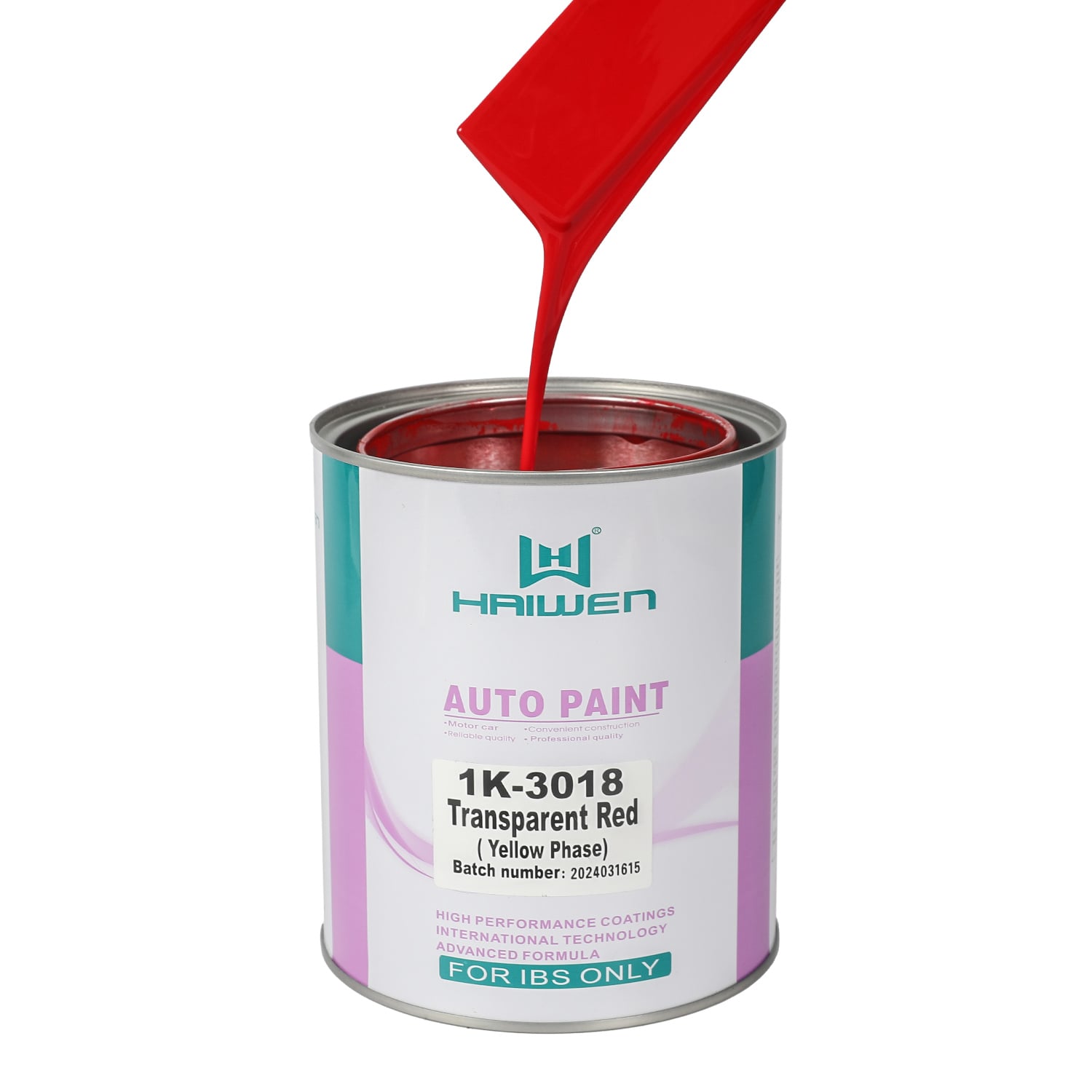
Achieving a professional-quality finish in auto body repair requires understanding the fundamental chemistry and mechanics of body filler and hardener combinations. The correct ratio is not merely a suggestion but a critical factor that determines wh...
VIEW MORE
Understanding the distinction between lightweight and standard body filler is essential for anyone involved in auto body repair techniques. These two formulations serve the same general purpose of filling dents and imperfections in vehicle surfaces, ...
VIEW MORE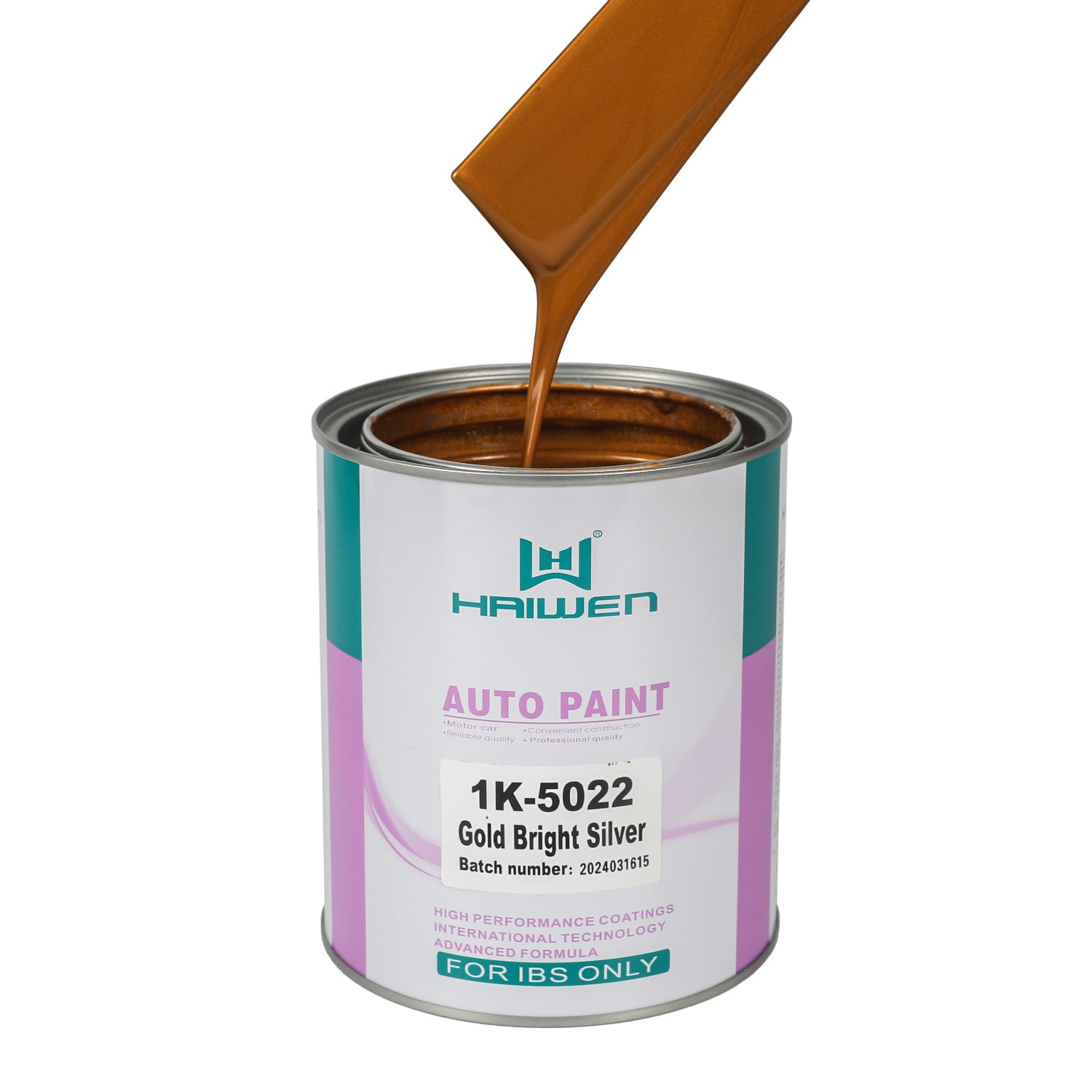
The automotive basecoat to clearcoat process is one of the most critical phases in vehicle refinishing, yet many technicians underestimate the importance of allowing adequate drying time between layers. Understanding why automotive basecoat must dry ...
VIEW MORE
Mottling in metallic automotive basecoat remains one of the most frustrating defects in automotive refinish work. This uneven, spotty appearance undermines the visual quality of a finish, creating a cloudy or blotchy effect across metallic colors. Un...
VIEW MORE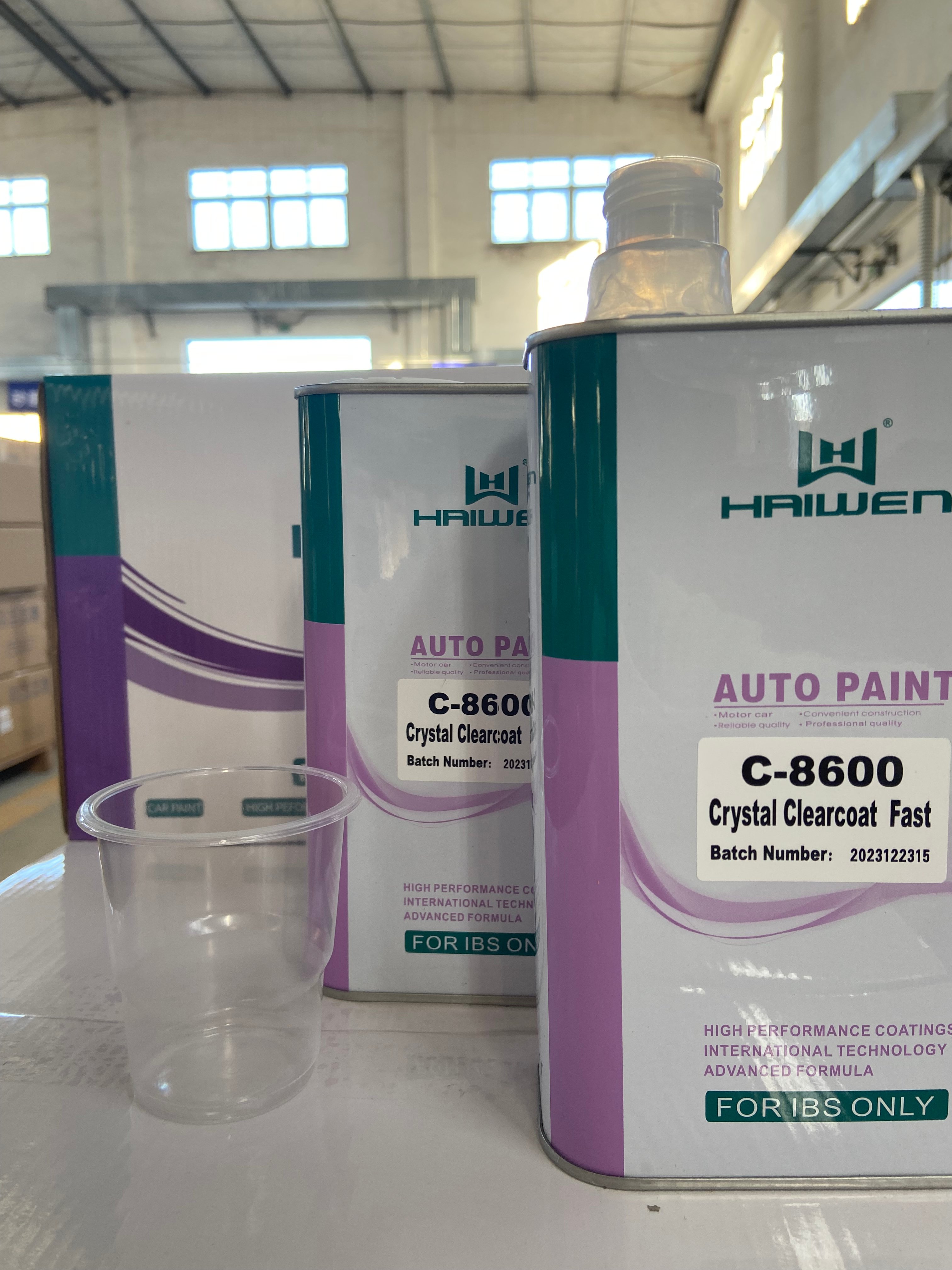
Modern automotive repair demands have fundamentally transformed the role of body filler from a simple gap-filling compound to a critical component determining repair longevity, appearance quality, and structural integrity. Today's body filler technol...
VIEW MORE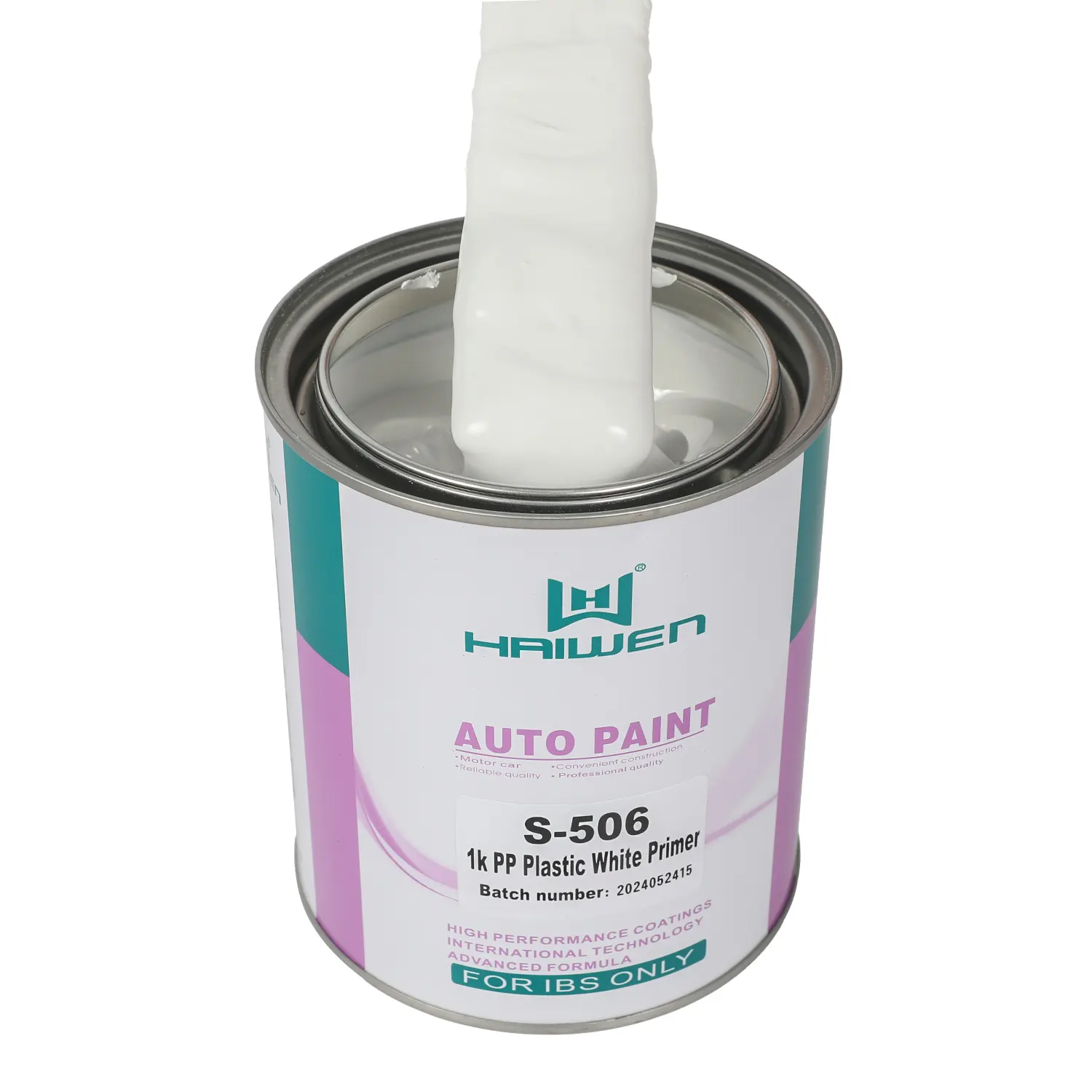
Repair efficiency has become a critical factor in automotive body shops, industrial manufacturing, and maintenance operations where time directly translates to profitability. Traditional filler materials have served the industry for decades, but thei...
VIEW MORE
HIWE Automotive Refinish Co., Ltd.supplies premium car paints including varnish, hardener, thinner, and primers. With OEM manufacturing and custom labeling, we deliver end-to-end automotive refinish solutions across China and global markets.
104, NO.3 DAGANG WEST STREET, BAIYUN LAKE STREET, BAIYUN DISTRICT, GUANGZHOU CITY, GUANGDONG PROVINCE, CHINA.
Copyright © 2026 HIWE Automotive Refinish Co., Ltd.All right reserved Privacy Policy
 EN