 EN
Achieving a flawless finish on automotive surfaces requires more than simply applying topcoat paint. The foundation of any professional-quality paint job depends on proper surface preparation and the strategic use of automotive primer, which serves as the critical bridge between raw substrate and final color coat. An automotive primer does far more than simply prime a surface; it actively works to hide substrate imperfections, fill minor surface irregularities, and create a uniform base that allows the topcoat to perform optimally.
Most automotive surfaces contain minor defects such as dust particles, slight oxidation, microscratch marks, and uneven substrate textures that become visible once glossy topcoat is applied. These imperfections can dramatically compromise the visual quality and perceived professionalism of the finished vehicle. Modern automotive primer formulations are engineered to fill and mask these substrate irregularities through specialized chemical composition, particle structure, and application properties that work together to create a smooth, uniform foundation for car paint preparation.
How Primer Composition Fills Surface Irregularities
Solids Content and Leveling Properties
The primary mechanism through which automotive primer hides substrate imperfections lies in its high solids content and exceptional leveling characteristics. Quality primer formulations contain larger concentrations of pigments, resins, and additives compared to topcoat paints, allowing them to deposit a thicker, more forgiving film that physically fills minor surface voids. When applied properly, these solids settle into microscopic valleys and scratches on the metal surface, rust prevention becomes inherent through the barrier coating created, and the leveling agents allow the primer to flow smoothly across substrate irregularities, creating a uniform plane before the automotive base coat application begins.
Pigment Suspension and Coverage
Primer pigments are specifically chosen and suspended within the carrier medium to maximize opacity and coverage efficiency. Unlike decorative topcoats that prioritize color exactness and gloss appearance, primer pigments focus on hiding power and substrate masking ability. The suspension system keeps these pigments uniformly distributed throughout the primer, ensuring that when application occurs, every spray pass deposits consistent coverage that obscures underlying substrate blemishes. This pigment strategy is essential for car paint preparation because it guarantees that even thin substrate flaws disappear beneath the primer film, providing the visual foundation necessary for flawless topcoat application.
Surface Preparation and Primer Interaction
Adhesion Enhancement and Surface Bonding
Beyond simply covering imperfections, automotive primer chemically bonds to the substrate, creating a mechanical lock that prevents topcoat failure and provides long-term rust prevention. The primer's formulation includes adhesion promoters and surface-active agents that encourage molecular-level bonding with metal surfaces, creating microscopic anchoring points. This bonding mechanism is particularly critical in areas where substrate imperfections exist, as the primer flows into these small surface disruptions and hardens around them, essentially locking the irregularities in place and preventing them from telegraphing through to the final paint layer. This interaction between primer and substrate is what truly differentiates professional-grade automotive primer from simple primer-surfacer products.
Build Characteristics for Defect Masking
Modern automotive base coat application depends on primers that build rapidly and can mask significant substrate imperfections with minimal coats. Two-component epoxy primers and polyester-based systems are specifically formulated to achieve this rapid build while maintaining excellent flow and leveling. When metal surface rust prevention is the objective, these systems create barrier coatings that not only hide existing defects but also protect against future corrosion that could create new surface problems. The thickness achieved through proper application technique means that minor pitting, scratches, and oxidation spots become completely invisible beneath the primer film, establishing an impeccable foundation for automotive base coat application and final topcoat layers.
Application Technique and Imperfection Management
Spray Pattern and Coverage Consistency
Proper application technique amplifies the primer's natural ability to hide substrate imperfections. Multiple thin, overlapping spray passes ensure that every area receives adequate coverage and the primer can settle smoothly into surface irregularities without trapping air pockets or creating dry spots. Spray pressure, nozzle distance, and pass speed all influence how effectively the primer fills voids and creates a seamless surface for car paint preparation. Professionals understand that automotive primer requires methodical application because rushing the process or using incorrect spray parameters results in inconsistent coverage where some substrate imperfections remain visible, compromising the final finish quality.
Flash-Off Time and Film Building
The time allowed between primer coats significantly affects its imperfection-masking capability. Proper flash-off intervals permit solvents to evaporate while the primer film hardens sufficiently to receive subsequent coats without disturbing the underlying layer. This sequential building process allows the primer to flow and level properly during each application, progressively filling deeper substrate irregularities and establishing a smoother surface with each coat. Many professionals apply multiple primer coats specifically to achieve the masking effect necessary before metal surface rust prevention and automotive base coat application can proceed successfully, demonstrating the critical role application timing plays in achieving impeccable final results.
FAQ
Can automotive primer completely hide deep substrate imperfections?
Automotive primer is highly effective at masking minor to moderate substrate imperfections such as light scratches, dust particles, and minor oxidation. However, deep pitting, significant dents, or severe substrate damage require body filler or sanding to correct before primer application. Professional-grade automotive primer combined with proper car paint preparation can achieve excellent masking of typical production surface blemishes, but it functions best when substrate imperfections remain within reasonable limits. For severe defects, multiple primer coats may be necessary, but there are physical limits to what primer alone can accomplish.
How many coats of automotive primer are needed to hide imperfections?
Typically, two to three coats of quality automotive primer provide adequate imperfection coverage for standard substrate conditions. Each coat should be applied thin and allowed proper flash-off time between applications to ensure maximum leveling and flow characteristics. The specific number depends on substrate condition, primer formulation, application technique, and the severity of imperfections requiring masking. Professional car paint preparation standards usually specify multiple primer coats to achieve optimal results, particularly when metal surface rust prevention and long-term durability are important considerations.
Does automotive primer type affect its ability to hide substrate imperfections?
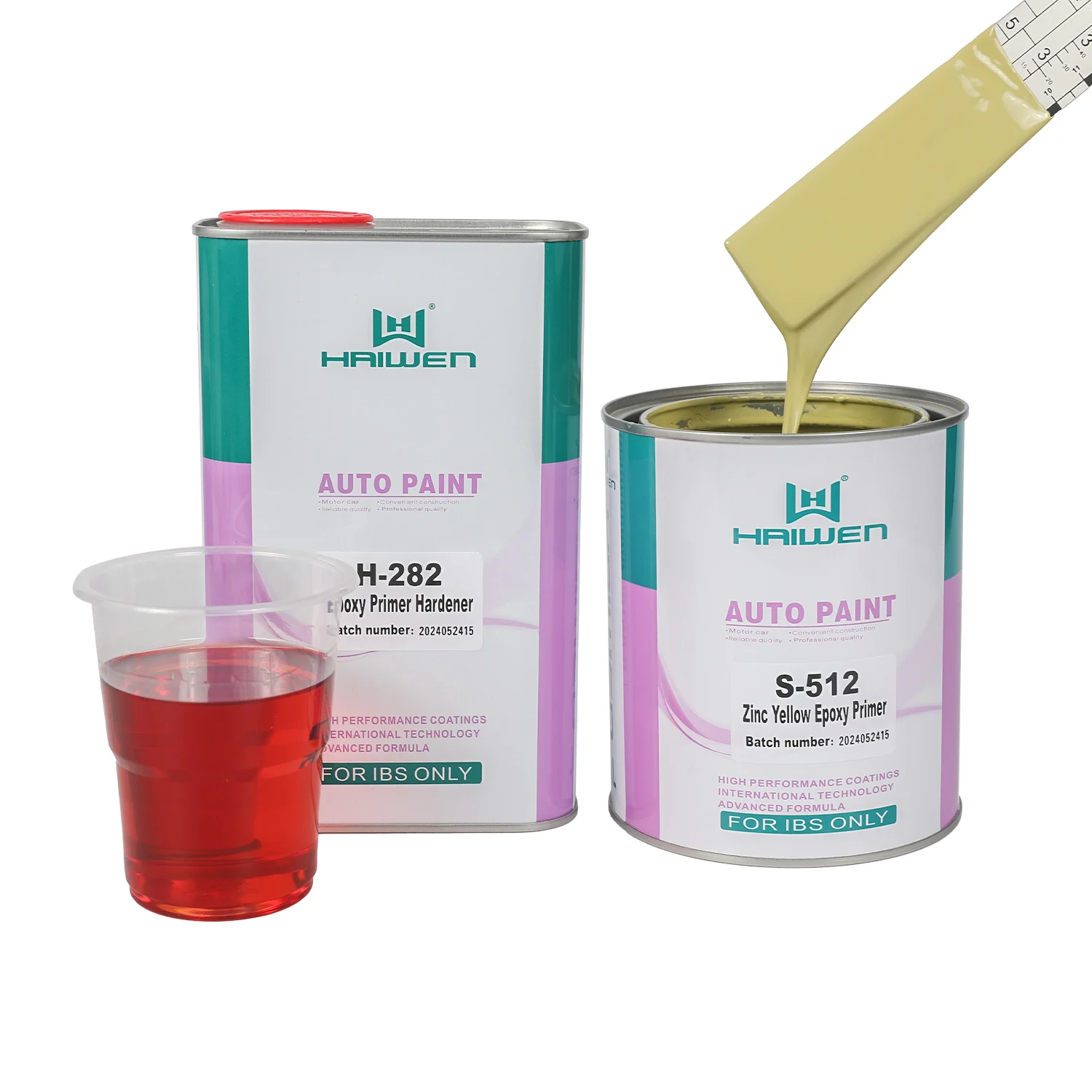
Yes, different primer formulations have varying imperfection-masking capabilities. Two-component epoxy primers offer superior filling and leveling properties compared to single-stage primers, making them excellent choices for challenging substrate conditions. Polyester-based and polyurethane primers each provide distinct advantages in coverage and adhesion that influence their effectiveness for automotive base coat application. Selecting the appropriate primer type based on substrate condition and application requirements is essential for achieving the masking performance necessary to produce flawless final finishes.