 EN
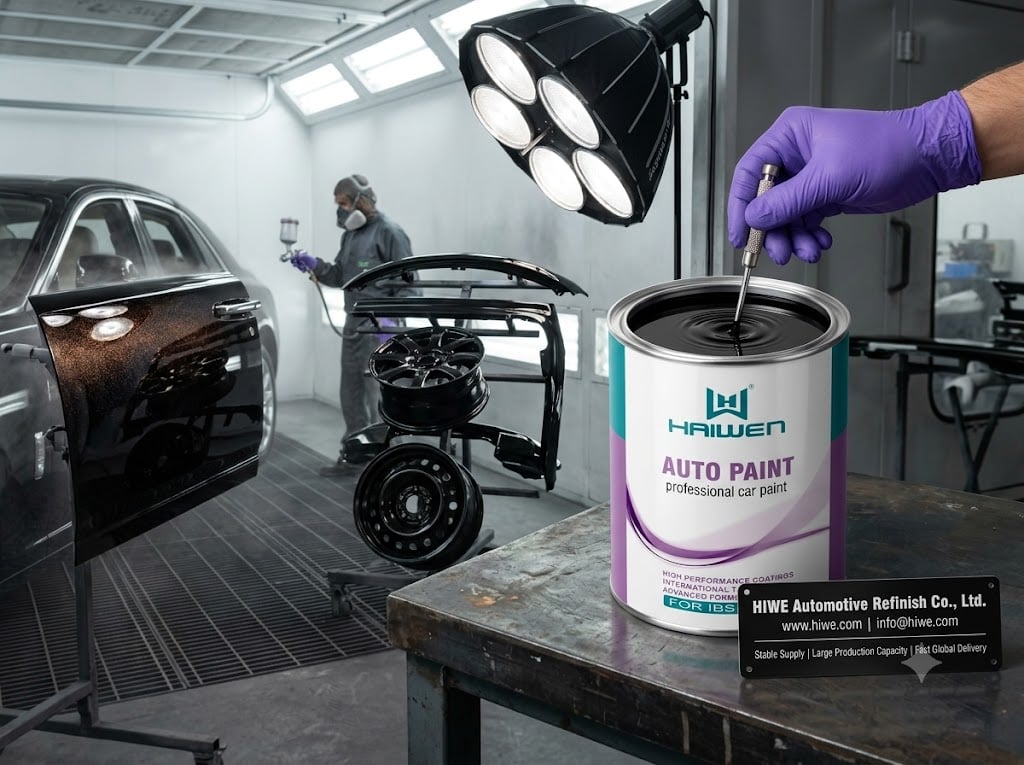
Using substandard automotive thinner presents significant risks that extend far beyond cosmetic defects in vehicle paint jobs. Low-quality automotive solvent reducer compromises both the safety of technicians and the integrity of finished coating systems. When contractors and body shops prioritize cost over quality, they expose themselves to health hazards, environmental violations, and costly rework cycles that ultimately damage profitability and reputation.
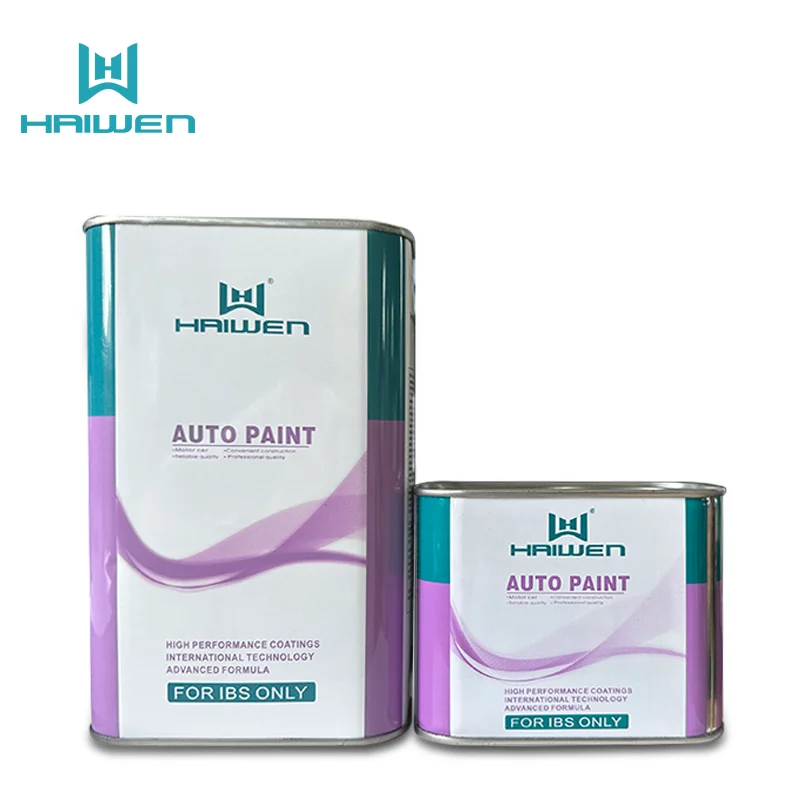
The consequences of selecting inferior lacquer thinner for vehicle coating are both immediate and long-term. Paint application failures, respiratory damage to workers, improper solvent evaporation rates, and finish degradation under environmental stress all stem from inadequate formulation and chemical purity. Understanding these hazards is essential for anyone involved in automotive refinishing, fleet maintenance, or professional coating operations.
Health and Safety Hazards from Low-Quality Solvent Formulations
Respiratory and Toxicological Risks
Low-quality paint thinner for cars often contains unbalanced solvent blends with excessive volatile organic compounds that exceed safe exposure thresholds. Workers inhaling vapors from inferior automotive solvent reducer experience acute symptoms including dizziness, headaches, respiratory irritation, and nausea. Chronic exposure to poorly formulated lacquer thinner for vehicle coating leads to long-term neurological damage, chronic obstructive pulmonary disease, and occupational asthma that can end careers and generate workers' compensation claims.
Reputable products maintain precise ratios of aromatic and aliphatic solvents to minimize toxic vapor release. Low-quality automotive thinner cuts corners by using cheaper components that maximize volatility without regard for worker protection. Inadequate ventilation systems combined with aggressive off-gassing from substandard thinner create dangerous indoor air quality that compounds health risks for entire shop teams.
Fire and Explosion Hazards
Inferior paint thinner for cars often exhibits unstable flashpoint temperatures due to inconsistent solvent composition. Low-quality automotive solvent reducer may ignite at lower temperatures than specified, creating fire hazards during spray application, heating cycles, or storage. Many substandard formulations lack proper stabilizers that prevent spontaneous reactions, making them prone to unexpected combustion in warm shop environments or during high-pressure spray operations.
Proper lacquer thinner for vehicle coating is engineered with precise flashpoint specifications and safety additives. When shops use cheap automotive thinner without verified safety data, they risk shop fires, personal injuries, and potential explosions that threaten entire facilities. Insurance carriers often deny claims when accidents involve unverified or non-compliant solvents, leaving shops liable for full property damage and injury costs.
Technical Coating Defects and Performance Failure
Improper Evaporation and Film Formation
Quality paint thinner for cars is formulated with specific evaporation rates that match base coat and clear coat application windows. Low-quality automotive solvent reducer often evaporates too quickly or too slowly, causing lifting, sagging, cratering, or orange peel texture defects. When lacquer thinner for vehicle coating doesn't evaporate at the proper rate, solvent molecules remain trapped in the coating film, weakening adhesion between layers and compromising the entire finish structure.
These defects become apparent during quality inspections or emerge weeks later in customer complaints. Each correction cycle requires extensive wet sanding, respraying, and additional material costs that erode profit margins. Fleet operators and body shops that experience high rework rates due to poor automotive thinner selection quickly discover that initial cost savings transform into expensive operational losses.
Environmental Degradation and Durability Loss
Substandard paint thinner for cars leaves chemical residues in the dried film that accelerate UV degradation, moisture penetration, and oxidation. Low-quality automotive solvent reducer often contains contaminants like water, mineral oil, or metallic particles that compromise long-term coating adhesion and protective performance. Vehicles refinished with inferior lacquer thinner for vehicle coating show premature yellowing, chalking, peeling, and color fade within months of delivery.
Professional coating systems depend on pure, contaminant-free automotive thinner to achieve spec compliance and warranty longevity. When vehicles fail finish inspections or require warranty repairs, shops absorb costs and reputational damage. Repeat customers demand reliable results; those receiving vehicles with poor coating durability switch to competitors and leave negative reviews that impact business growth.
Regulatory Compliance and Business Consequences
Environmental and Legal Violations
Many regions enforce strict VOC regulations and hazardous waste disposal requirements for paint thinner for cars. Low-quality automotive solvent reducer often fails to meet compliance standards, exposing shops to regulatory fines, operational shutdowns, and legal liability. Improper lacquer thinner for vehicle coating creates non-compliant waste streams that require costly disposal through licensed hazardous waste contractors or generate environmental violations if handled improperly.
EPA and state environmental agencies conduct shop inspections and material audits. Shops caught using non-compliant paint thinner for cars face penalties ranging from thousands to hundreds of thousands of dollars, operational suspension, and potential criminal charges for management. Documenting the use of verified, compliant automotive solvent reducer protects shops and demonstrates good faith regulatory adherence.
Liability and Insurance Implications
Insurance coverage for bodily injury, property damage, and product liability often excludes claims involving non-compliant or substandard materials. If a worker is injured due to low-quality automotive thinner or a vehicle finish fails prematurely, shops bear full financial responsibility. Additionally, fleet owners and dealership managers who discover substandard lacquer thinner for vehicle coating in finished vehicles can pursue breach of contract claims and demand restitution.
Using verified, reputable paint thinner for cars protects shops from catastrophic liability exposure. Quality documentation of automotive solvent reducer and lacquer thinner for vehicle coating purchases provides evidence of responsible material selection during disputes or regulatory inspections. Professional shops view premium thinner as essential insurance against costly legal claims and reputation damage.
FAQ
What are the main health risks from low-quality automotive thinner?
Low-quality paint thinner for cars contains unbalanced solvent blends that release excessive volatile organic compounds, causing acute symptoms like dizziness, headaches, and respiratory irritation in workers. Chronic exposure to inferior automotive solvent reducer leads to neurological damage, occupational asthma, and permanent respiratory disease. Substandard lacquer thinner for vehicle coating also presents fire hazards due to unstable flashpoint temperatures and inadequate safety additives, risking shop fires and explosions.
How does low-quality automotive thinner affect the final coating quality?
Poor paint thinner for cars evaporates at incorrect rates, causing lifting, sagging, cratering, and orange peel texture defects in finished coatings. Low-quality automotive solvent reducer leaves chemical residues and contaminants in the dried film that accelerate UV degradation and moisture penetration. Vehicles refinished with substandard lacquer thinner for vehicle coating show premature yellowing, chalking, peeling, and color fade within months, requiring costly warranty repairs and damaging shop reputation.
What compliance and liability issues arise from using substandard automotive thinner?
Many regions enforce strict VOC and hazardous waste regulations for paint thinner for cars. Low-quality automotive solvent reducer often fails compliance standards, exposing shops to fines, operational shutdowns, and criminal liability. Insurance coverage frequently excludes claims involving non-compliant materials, leaving shops fully liable for worker injuries or vehicle finish failures. Using verified, compliant lacquer thinner for vehicle coating protects shops from regulatory prosecution and catastrophic liability claims.