 EN
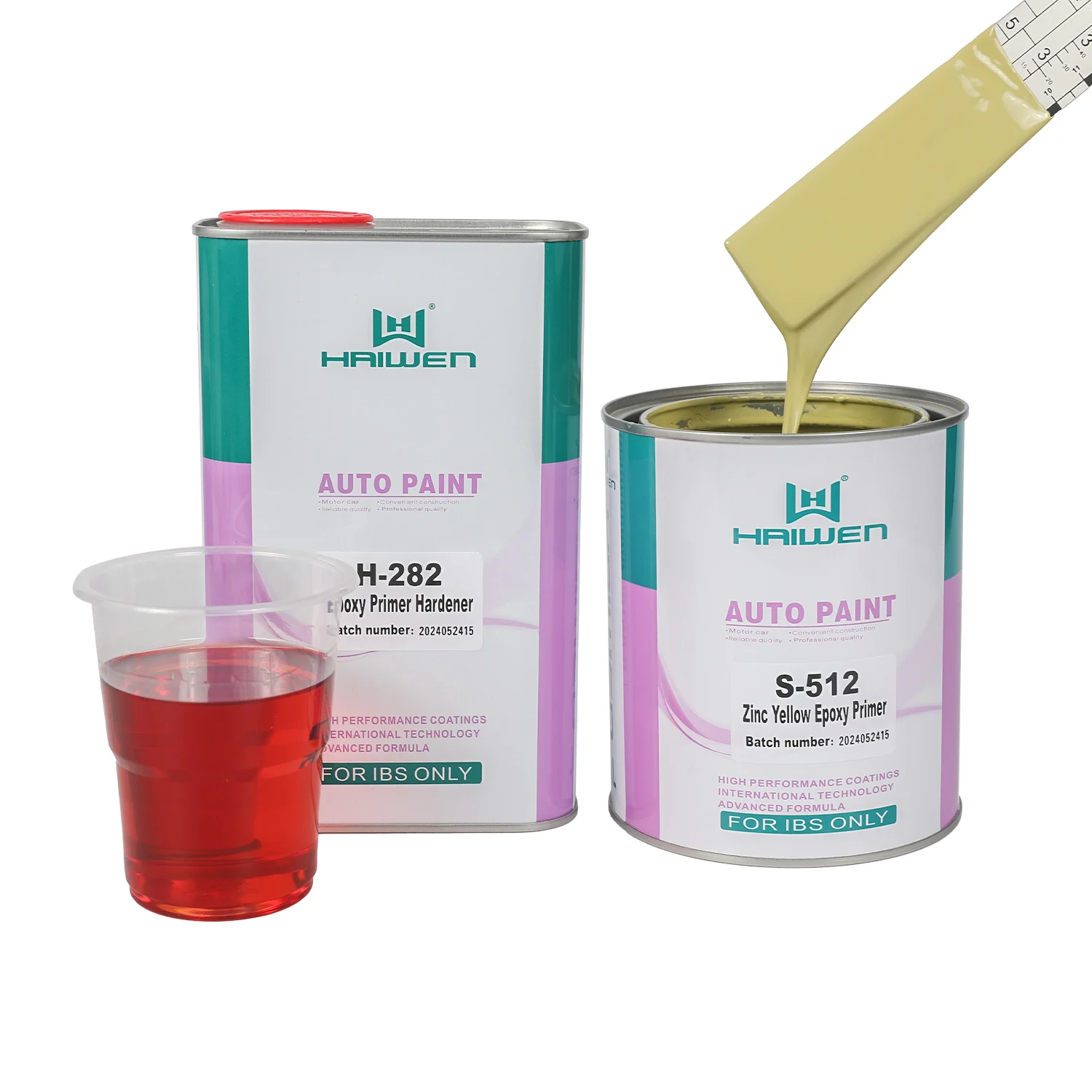
Applying automotive primer correctly is one of the most critical steps in achieving maximum corrosion resistance on metal surfaces. The foundation of any durable finish begins long before the top coat is applied, starting with proper surface preparation and primer application. Without a quality automotive primer, even the finest paint systems fail prematurely, allowing moisture and oxygen to penetrate and initiate rust development beneath the coating. Understanding the complete process transforms your finishing results from average to exceptional.
The effectiveness of any rust prevention coating depends entirely on how well you prepare the substrate and apply the primer layer. Automotive paint preparation is not simply about covering bare metal; it requires removing contaminants, oxidation, and old paint to create an ideal bonding surface. A surface adhesion promoter works by chemically bridging the gap between the metal substrate and subsequent paint layers, ensuring molecular-level adhesion that mechanical bonding alone cannot achieve. This comprehensive guide walks you through each essential step, from initial surface evaluation through final primer curing.
Surface Preparation for Optimal Primer Adhesion
Assessing the Current Surface Condition
Before any primer application begins, thoroughly evaluate the metal surface to determine the appropriate preparation method. Examine for existing paint, rust, scale, grease, or contaminants that compromise adhesion. Light surface oxidation requires different treatment than heavy corrosion or multiple layers of old paint. Take time to identify problem areas where moisture has penetrated existing coatings, as these zones need aggressive preparation to expose clean metal. Proper assessment prevents rework and ensures your automotive primer bonds uniformly across the entire surface.
Cleaning and Removing Contaminants
Cleaning removes oils, wax, and airborne contaminants that prevent the rust prevention coating from bonding effectively. Use appropriate degreasers and cleaning solutions based on the contamination type and your environmental constraints. Solvent cleaning works for light oils and waxes, while alkaline cleaners handle heavier industrial residues. Allow surfaces to dry completely after washing, as moisture underneath primer creates trapped pockets where corrosion initiates. For automotive paint preparation in marine or coastal environments, consider additional salt removal steps to prevent salt creep beneath coatings. This cleaning phase is non-negotiable for achieving maximum corrosion resistance.
Substrate Treatment and Metal Profile Development
Selecting the Right Abrasive Method
The mechanical abrasion method significantly influences how well your surface adhesion promoter establishes molecular bonds with the substrate. Sand blasting creates ideal metal profile for primer adhesion but generates considerable dust and requires specialized equipment. Wire brushing suits smaller projects and field repairs but demands careful technique to achieve consistent surface preparation. Chemical stripping removes paint without metal profile development but works well before abrasion steps. Grinding and sanding adapt well to irregular geometries and partial repairs where blast cleaning proves impractical. Select your method based on project scale, environmental regulations, and desired corrosion resistance timeline.
Creating Proper Metal Profile Depth
Industry standards specify metal profile depth to optimize rust prevention coating performance, typically between 2.0 to 3.0 mils for optimal automotive primer adhesion. This profile creates microscopic peaks and valleys that the primer material can flow into, mechanically anchoring the coating. Insufficient profile depth leaves too-smooth surfaces where primers bond only through adhesion forces, making them vulnerable to separation under thermal cycling or mechanical stress. Excessive profile depth wastes time and material without improving adhesion and sometimes creates valleys where air becomes trapped. Measure profile depth using replica tape or electronic gauges to confirm you have achieved the specification before primer application.
Primer Application Techniques for Maximum Protection
Preparing and Applying the Primer
Proper surface adhesion promoter application begins with mixing the automotive primer according to manufacturer specifications, as incorrect ratios compromise the rust prevention coating properties. Check pot life carefully and discard mixed primer that exceeds working time, as separated materials apply unevenly and cure inconsistently. Apply primer in thin, uniform layers rather than attempting complete coverage in a single heavy coat, which creates runs and fails to cure properly. Maintain consistent spraying distance and pressure to ensure even thickness and proper film formation that maximizes corrosion resistance. Temperature and humidity significantly influence automotive paint preparation success, so apply primers within the environmental window specified on technical data sheets.
Curing and Surface Preparation Between Coats
Allow each primer layer to cure fully according to product specifications before applying subsequent coats or top paint, as premature coating compromises the rust prevention coating integrity. Light sanding between primer layers removes dust and loose particles while promoting mechanical intercoat adhesion. Sand only enough to dull the surface; aggressive sanding reduces the protective film thickness and defeats the corrosion resistance you have established. Some automotive paint preparation protocols recommend washing between coats to remove sanding dust before applying the next layer. Multiple thin primer coats provide superior corrosion protection compared to fewer heavy coats, building a robust barrier against moisture and oxygen penetration.
FAQ
What is the primary purpose of automotive primer in corrosion prevention?
Automotive primer serves as both a rust prevention coating and a surface adhesion promoter, creating a protective barrier while chemically bonding to the substrate. It prevents direct contact between metal and the corrosive environment while ensuring paint coats remain firmly attached. The primer's chemical composition typically includes zinc-based compounds and epoxy resins that actively inhibit corrosion mechanisms while providing superior adhesion for topcoats.
How does proper automotive paint preparation impact primer performance?
Thorough automotive paint preparation directly determines whether primer establishes effective corrosion resistance and lasting paint adhesion. Contaminants, old paint, rust, and oxidation block the chemical bonding process that makes the surface adhesion promoter effective. When you remove these barriers and develop proper metal profile, the rust prevention coating can form molecular-level bonds that remain intact through temperature cycling, mechanical stress, and environmental exposure.
Can I apply automotive primer directly over old paint?
Applying automotive primer over intact, well-adhered old paint can work in some cases, but this approach sacrifices the superior corrosion resistance that bare-metal priming provides. If old paint is flaking, oxidized, or poorly adhered, primer application fails regardless of how carefully you apply it. The best practice involves removing old coatings to bare metal, ensuring maximum rust prevention coating effectiveness and eliminating hidden corrosion that undermines long-term surface protection.