
 EN
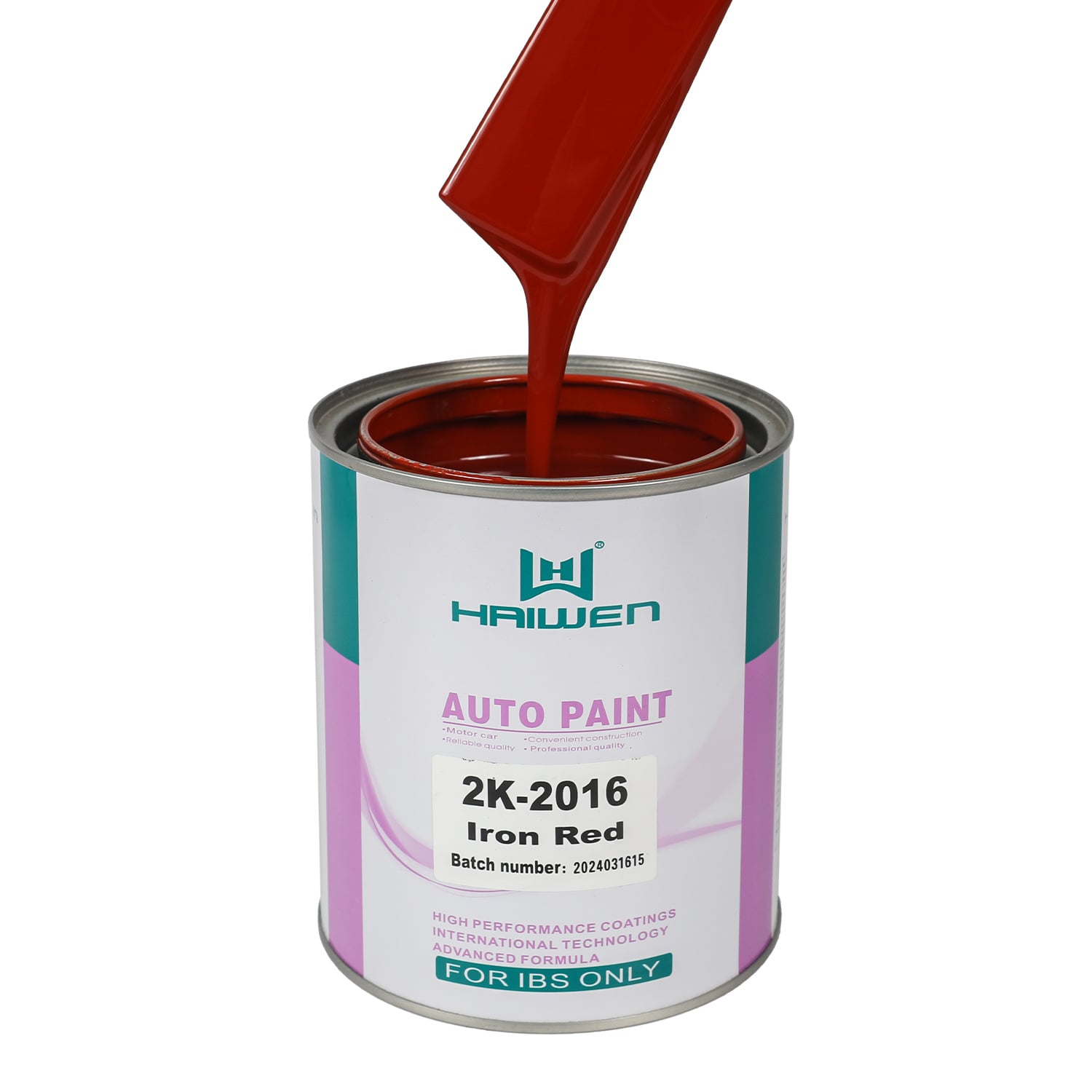
The shelf life of unopened automotive hardener is a critical consideration for body shops, paint facilities, and automotive professionals who stock materials for ongoing projects. Most unopened automotive hardener products maintain their chemical integrity and performance characteristics for 12 to 24 months when stored under proper conditions, though this timeline can vary based on formulation type, storage temperature, and container seal quality. Understanding the factors that influence shelf life helps ensure that your paint curing agent remains effective when you need it, preventing costly material waste and quality issues during application.
Storage conditions directly impact how long your automotive hardener remains usable. Temperature stability, humidity levels, container integrity, and protection from light exposure all play significant roles in preserving the chemical composition of paint curing agents. Proper storage practices can extend shelf life and maintain the performance of your clear coat hardener and automotive epoxy resin throughout the storage period.
Typical Shelf Life Standards for Paint Curing Agents
Standard Storage Duration
Most automotive hardener formulations are designed to maintain full potency for approximately 12 months from the date of manufacture when stored in unopened, sealed containers at ambient temperature. Many manufacturers guarantee shelf life extending to 18 or 24 months under ideal conditions. The paint curing agent's specific chemical composition determines the upper limit of this timeline. Premium-grade clear coat hardener products often feature extended shelf life because they contain stabilizers that slow chemical degradation. Automotive epoxy resin-based hardeners may have different duration profiles than single-component paint curing agents due to their molecular structure and reactive components.
Manufacturer Date Coding
Reputable suppliers always mark manufacturing dates on containers using batch codes or printed dates, allowing you to track how long a specific paint curing agent has been in inventory. This date stamp is your primary reference for determining whether your automotive hardener remains within its effective shelf life window. Always verify the date code before purchasing unopened containers, and rotate stock using a first-in-first-out approach to minimize the risk of using aged materials. Many automotive epoxy resin manufacturers recommend using products within 18 months of the printed date for optimal results.
Storage Conditions That Preserve Shelf Life
Temperature and Environmental Factors
Maintaining stable temperatures between 60 and 75 degrees Fahrenheit is ideal for preserving the integrity of your paint curing agent. Fluctuating temperatures cause the material inside unopened containers to expand and contract, potentially compromising the seal and allowing oxidation to occur. Cold storage below 50 degrees Fahrenheit can cause some automotive hardener formulations to become viscous or crystalline, though warming to room temperature often reverses this effect. Conversely, heat above 80 degrees Fahrenheit accelerates chemical reactions within the container, shortening the effective shelf life of clear coat hardener and automotive epoxy resin products. Keep unopened containers away from direct sunlight, heating sources, and areas subject to extreme seasonal changes.
Humidity and Container Integrity
Moisture is one of the most destructive factors for paint curing agent longevity. Unopened containers should be stored in dry environments where relative humidity stays below 50 percent. Even slight moisture infiltration through a compromised seal can trigger premature hardening, phase separation, or viscosity changes in automotive hardener formulations. Inspect container caps and seals before storage to ensure they are intact and tight. Store unopened clear coat hardener and automotive epoxy resin products in dedicated, climate-controlled storage areas separate from water sources, steam, and areas prone to condensation. Vertical storage of sealed containers minimizes contact between the liquid and the cap, reducing the risk of corrosion or seal degradation.
Signs of Shelf Life Degradation and Testing
Visual and Physical Indicators
Even unopened containers can show signs of aging if storage conditions were suboptimal. Discoloration, cloudiness, or visible separation within the container suggests that your paint curing agent may have begun to degrade chemically. A bloated or slightly pressurized container indicates gas generation inside, which occurs when the automotive hardener or automotive epoxy resin has begun to cure prematurely. Inspect unopened paint curing agent containers for these warning signs before opening them for use. If a clear coat hardener looks different than a fresh container from the same batch, err on the side of caution and avoid using it in critical applications.
Performance Testing Before Application
For unopened automotive hardener containers approaching the end of their shelf life window, perform a simple viscosity and cure-time test on a small sample before committing the entire batch to production work. Mix the paint curing agent with base paint according to product specifications and observe the cure behavior on a test panel. Normal cure times and glossy, smooth finish indicate the automotive epoxy resin remains viable. Delayed cure, uneven gloss, or surface irregularities suggest the clear coat hardener has degraded and should not be used. This simple verification step prevents wasted materials and potential finish quality issues on customer vehicles.
FAQ
Can unopened automotive hardener be used after the recommended shelf life expires?
Unopened paint curing agent may still function beyond its official shelf life, but performance cannot be guaranteed. Most manufacturers recommend adherence to labeled expiration dates for warranty and quality assurance. If you must use older clear coat hardener, test it thoroughly on a sample surface first. Automotive epoxy resin products become increasingly unreliable as they age, so accepting the material risk is not recommended in professional settings.
How should I store unopened automotive hardener to extend its shelf life?
Keep unopened paint curing agent containers in a cool, dry, temperature-stable environment between 60 and 75 degrees Fahrenheit with humidity below 50 percent. Store clear coat hardener and automotive epoxy resin away from direct sunlight, heat sources, and moisture. Ensure container seals remain intact and tight. Use a first-in-first-out inventory system to rotate stock and minimize aging. Dedicated storage cabinets in climate-controlled rooms provide ideal conditions for maintaining the shelf life of your automotive hardener.
What is the difference in shelf life between single-component and multi-component paint curing agents?
Single-component clear coat hardener products typically offer longer shelf life in unopened form because they contain fewer reactive ingredients. Multi-component automotive epoxy resin systems, which require mixing before use, may have shorter shelf life for individual components. Once you open and mix automotive hardener with base paint, the curing process begins immediately, and the mixture must be used within the pot life window, which is typically 4 to 8 hours. Unopened containers of either paint curing agent type generally maintain stability for 12 to 24 months under proper storage conditions.