
 EN
EN
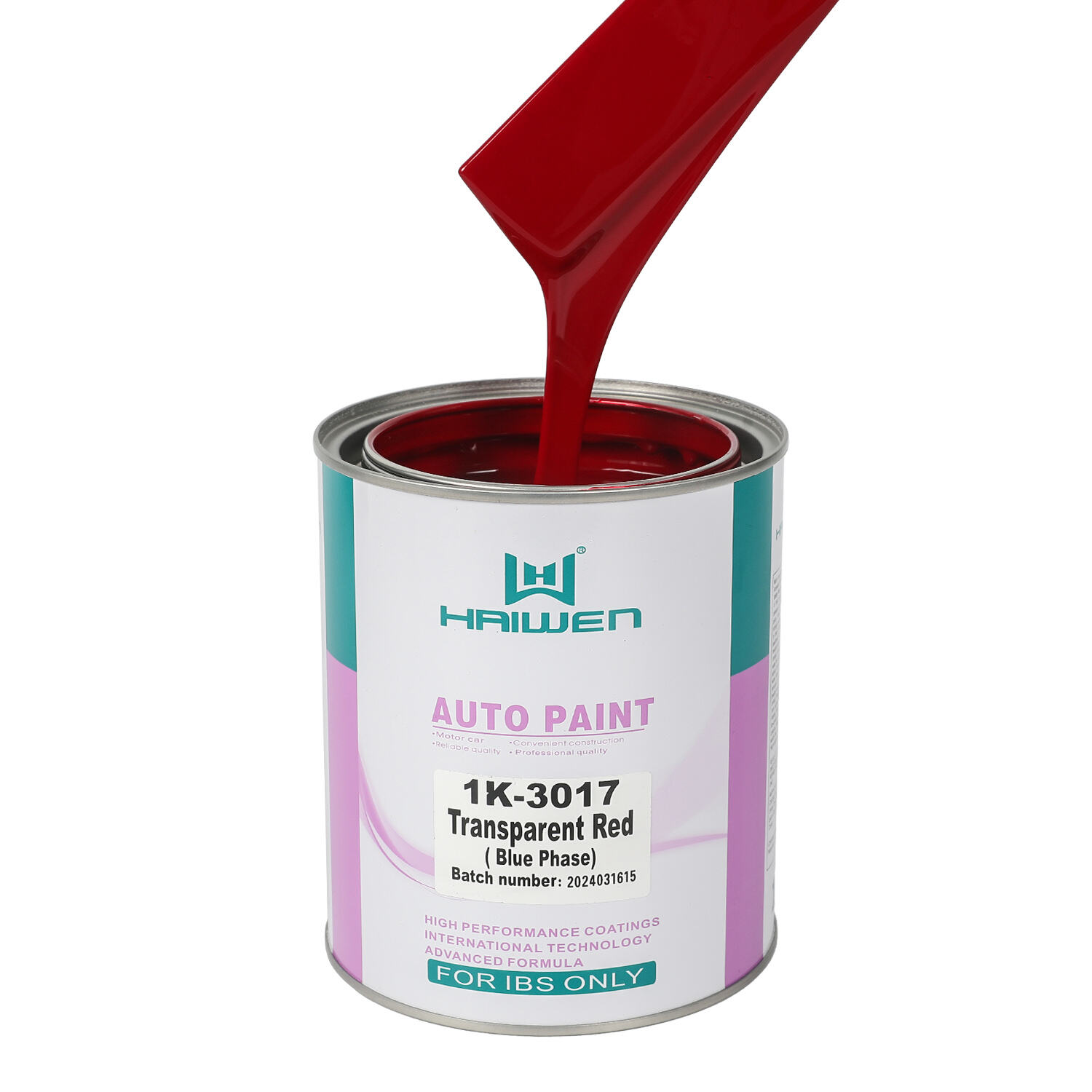
পেশাদার মানের অটোমোটিভ ফিনিশ অর্জন করতে ক্লিয়ার কোটের প্রতি সঠিক মনোযোগ প্রয়োজন মিশ্রণের অনুপাত , একটি মৌলিক দিক যা চূড়ান্ত কোটিং-এর স্থায়িত্ব, চেহারা এবং মোট গুণমান নির্ধারণ করে। পেশাদার পেইন্টার এবং অটোমোটিভ পুনঃসজ্জা বিশেষজ্ঞদের জানা আছে যে উত্কৃষ্ট ফলাফলের জন্য সঠিক ক্লিয়ার কোট মিশ্রণের অনুপাত হল ভিত্তি, যা স্প্রে-এর বৈশিষ্ট্য থেকে শুরু করে দীর্ঘমেয়াদী কর্মক্ষমতা পর্যন্ত সবকিছুকে প্রভাবিত করে। ক্লিয়ার কোট মিশ্রণের অনুপাতের পিছনের বিজ্ঞানে বেস উপকরণ, অনুঘটক এবং দ্রাবকগুলিকে নির্দিষ্ট অনুপাতে ভারসাম্য করে কিউরিং প্রক্রিয়ার সময় সেরা রাসায়নিক বিক্রিয়া তৈরি করা হয়।
ক্লিয়ার কোট সিস্টেমে বেস উপাদানের অনুপাত বোঝা
প্রাথমিক বেস থেকে অনুঘটক অনুপাত
অটোমোটিভ অ্যাপ্লিকেশনের জন্য ক্লিয়ার কোট মিশ্রণের অনুপাতের ক্ষেত্রে বেস ক্লিয়ার কোট উপাদান এবং অনুঘটকের মধ্যে সম্পর্কই হল সবচেয়ে গুরুত্বপূর্ণ দিক। সাধারণত, পেশাদার-গ্রেডের সিস্টেমগুলিতে 2:1 বা 3:1 বেস-টু-অনুঘটক অনুপাতের প্রয়োজন হয়, যদিও পরিবেশগত অবস্থা এবং প্রত্যাশিত কর্মদক্ষতার উপর নির্ভর করে নির্দিষ্ট ফর্মুলেশন ভিন্ন হতে পারে। এই ক্লিয়ার কোট মিশ্রণের অনুপাতগুলি পলিমার চেইনগুলির মধ্যে সঠিক ক্রস-লিঙ্কিং নিশ্চিত করে, যা উচ্চ কঠোরতা এবং রাসায়নিক প্রতিরোধের জন্য আবশ্যিক আণবিক কাঠামো তৈরি করে। সুপারিশকৃত অনুপাত থেকে বিচ্যুত হওয়ার ফলে অসম্পূর্ণ কিউরিং, গ্লস ধরে রাখার ক্ষমতা হ্রাস বা আবরণের আগেভাগে ব্যর্থতা হতে পারে।
তাপমাত্রা এবং আর্দ্রতা ক্লিয়ার কোটের মিশ্রণ অনুপাতের উপর গুরুত্বপূর্ণ প্রভাব ফেলে, যা বিভিন্ন ওয়ার্কশপের পরিবেশগত পরিস্থিতির মধ্যে সামঞ্জস্যপূর্ণ কর্মদক্ষতা বজায় রাখতে মিশ্রণ অনুপাত সামঞ্জস্য করার প্রয়োজন হয়। উচ্চ তাপমাত্রার কারণে কিছুটা ক্যাটালিস্টের পরিমাণ কমানো প্রয়োজন হতে পারে যাতে শক্ত হওয়ার প্রক্রিয়া অতিরিক্ত ত্বরান্বিত না হয়, আবার ঠান্ডা পরিবেশে সম্পূর্ণ রাসায়নিক বিক্রিয়া নিশ্চিত করতে ক্যাটালিস্টের অনুপাত বাড়ানো প্রয়োজন হতে পারে। পেশাদার রিফিনিশাররা পছন্দের ক্লিয়ার কোট মিশ্রণ অনুপাতের সঙ্গে পুনরুক্তিযোগ্য ফলাফল পাওয়ার জন্য পরিবেশগত অবস্থা এবং তার সঙ্গে সংশ্লিষ্ট মিশ্রণ সামঞ্জস্যের বিস্তারিত রেকর্ড রাখেন।
থিনার একীভূতকরণ এবং সান্দ্রতা নিয়ন্ত্রণ
স্প্রে আবেদনের জন্য কার্যকর ক্লিয়ার কোট মিশ্রণ অনুপাত স্থাপনের ক্ষেত্রে উপযুক্ত থিনার যোগ হল আরেকটি গুরুত্বপূর্ণ উপাদান। স্ট্যান্ডার্ড অটোমোটিভ রিফিনিশিং-এ সাধারণত মোট মিশ্রিত আয়তনের 10% থেকে 25% পর্যন্ত থিনার অনুপাত ব্যবহার করা হয়, যা স্প্রে বন্দুকের স্পেসিফিকেশন, আবেদনের তাপমাত্রা এবং প্রয়োজনীয় প্রবাহ বৈশিষ্ট্যের উপর নির্ভর করে। মিশ্রিত ক্লিয়ার কোটের চূড়ান্ত সান্দ্রতাকে প্রভাবিত করে এই শতাংশগুলি, আবেদনের সময় স্প্রে প্যাটার্নের সামঞ্জস্য, পরমাণুকরণের মান এবং লেভেলিং বৈশিষ্ট্যগুলিকে প্রভাবিত করে।
উপযুক্ত থিনারের ধরন নির্বাচন ক্লিয়ার কোটের মিশ্রণ অনুপাতের উপরও প্রভাব ফেলে, যেখানে দ্রুত, মাঝারি এবং ধীরগতির থিনারগুলি নির্দিষ্ট তাপমাত্রার পরিসর এবং প্রয়োগের প্রয়োজনীয়তার জন্য তৈরি। দ্রুত থিনারগুলি ঠাণ্ডা পরিস্থিতিতে কার্যকরভাবে কাজ করে, যেখানে কমলার খোসার মতো টেক্সচার এড়াতে মিশ্রণ অনুপাত সামঞ্জস্য করা প্রয়োজন, আবার ধীরগতির থিনারগুলি উষ্ণ পরিবেশে ভালো কাজ করে যেখানে প্রসারিত কাজের সময় জটিল প্যানেল জ্যামিতির জন্য উপকারী। এই সম্পর্কগুলি বোঝা রিফিনিশারদের তাদের ক্লিয়ার কোট মিশ্রণ অনুপাত বাস্তব সময়ের ওয়ার্কশপ পরিস্থিতির ভিত্তিতে গতিশীলভাবে পরিবর্তন করতে সক্ষম করে।
মিশ্রণ গণনাকে প্রভাবিত করে এমন পরিবেশগত বিষয়গুলি
রাসায়নিক বিক্রিয়ার উপর তাপমাত্রার প্রভাব
পরিষ্কার কোটের মিশ্রণ অনুপাতগুলির উপর রাসায়নিক বিক্রিয়ার হার এবং উপাদানের সান্দ্রতার প্রভাবের মাধ্যমে কর্মশালার তাপমাত্রা গভীর প্রভাব ফেলে। উচ্চ তাপমাত্রা ত্বরিত ক্যাটালিস্ট ক্রিয়াকলাপ, যা আবেদনের সময় ফ্ল্যাশ কিউরিং বা অতিরিক্ত তাপ উৎপাদন প্রতিরোধ করার জন্য প্রমাণ পরিষ্কার কোট মিশ্রণ অনুপাতে কম ক্যাটালিস্ট সামগ্রীর প্রয়োজন হতে পারে। অন্যদিকে, ঠান্ডা পরিবেশ রাসায়নিক বিক্রিয়া ধীর করে দেয়, যা সম্পূর্ণ ক্রস-লিঙ্কিং এবং অনুকূল ফিল্ম বৈশিষ্ট্য অর্জনের জন্য বৃহত্তর ক্যাটালিস্ট অনুপাত বা প্রসারিত কিউরিং সময়ের প্রয়োজন হয়।
পেশাদার অটোমোটিভ রিফিনিশাররা মৌসুমি পরিবর্তন এবং জলবায়ু নিয়ন্ত্রণ ক্ষমতার ভিত্তিতে ক্লিয়ার কোট মিশ্রণের অনুপাত সামঞ্জস্য করার জন্য তাপমাত্রা-নির্দিষ্ট প্রোটোকল তৈরি করে। এই প্রোটোকলগুলি সাধারণত তাপমাত্রার পরিসর এবং সংশ্লিষ্ট মিশ্রণ সামঞ্জস্য অন্তর্ভুক্ত করে, পরিবেশগত ওঠানামা সত্ত্বেও ধ্রুবক মান নিশ্চিত করে। ডিজিটাল তাপমাত্রা নিরীক্ষণ ব্যবস্থা কর্মশালার অবস্থার প্রতি সচেতনতা বজায় রাখতে সাহায্য করে, আদর্শ ফলাফলের জন্য মিশ্রণ পদ্ধতিতে বাস্তব-সময়ে পরিবর্তন করার সুযোগ করে দেয়।
আর্দ্রতা নিয়ন্ত্রণ এবং আর্দ্রতা ব্যবস্থাপনা
বায়ুমণ্ডলীয় আর্দ্রতা স্পষ্ট কোট মিশ্রণ অনুপাতের উপর অনুঘটক উপাদান এবং সাবস্ট্রেট প্রস্তুতির সাথে তার মিথস্ক্রিয়ার মাধ্যমে গুরুত্বপূর্ণ প্রভাব ফেলে। উচ্চ আর্দ্রতার পরিবেশ সঠিক আসঞ্চন এবং পাকা হওয়ার প্রক্রিয়াকে বাধাগ্রস্ত করতে পারে, আর্দ্রতা-সম্পর্কিত চ্যালেঞ্জের ক্ষতিপূরণের জন্য প্রমিত মিশ্রণ পদ্ধতিতে পরিবর্তন প্রয়োজন হয়। পেশাদার ব্যবস্থাগুলি প্রায়শই আর্দ্রতা শোষক বা আর্দ্রতা-প্রতিরোধী ফর্মুলেশন অন্তর্ভুক্ত করে যা পরিবর্তনশীল বায়ুমণ্ডলীয় অবস্থার মধ্যে স্পষ্ট কোট মিশ্রণ অনুপাত স্থিতিশীল রাখে।
প্রয়োগ প্রক্রিয়াজুড়ে ক্লিয়ার কোট মিশ্রণের অনুপাতের সমগ্রতা রক্ষার জন্য পরিবেশগত নিয়ন্ত্রণ এবং উপাদান পরিচালনার পদ্ধতি উভয়ই কার্যকর আর্দ্রতা ব্যবস্থাপনার অন্তর্ভুক্ত। সীলযুক্ত সংরক্ষণ পাত্র, ডেসিক্যান্ট সিস্টেম এবং জলবায়ু-নিয়ন্ত্রিত মিশ্রণ এলাকা আদর্শ উপাদানের অবস্থা বজায় রাখতে সাহায্য করে, যা আর্দ্রতা দূষণ রোধ করে যা মিশ্রণের নির্ভুলতা এবং চূড়ান্ত কোটিংয়ের কর্মক্ষমতাকে ক্ষতিগ্রস্ত করতে পারে। আর্দ্রতা-সংবেদনশীল অনুঘটক সিস্টেমের সাথে কাজ করার সময় যেখানে সঠিক সক্রিয়করণের জন্য ক্লিয়ার কোট মিশ্রণের অনুপাতের সঠিকতা প্রয়োজন, এই সতর্কতা বিশেষভাবে গুরুত্বপূর্ণ হয়ে ওঠে।
প্রয়োগ কৌশলের অপ্টিমাইজেশন
স্প্রে বন্দুকের কনফিগারেশন এবং প্যাটার্ন নিয়ন্ত্রণ
স্প্রে বন্দুকের সেটআপ উপাদান ডেলিভারি এবং পরমাণুকরণের গুণমানের ওপর প্রভাব ফেলে, যা পূর্বনির্ধারিত ক্লিয়ার কোট মিশ্রণের অনুপাতের কার্যকারিতাকে সরাসরি প্রভাবিত করে। HVLP এবং প্রচলিত স্প্রে সিস্টেমগুলি ভিন্ন ভিসকোসিটির পরিসর প্রয়োজন করে, যা অপটিমাল স্প্রে বৈশিষ্ট্য অর্জনের জন্য প্রতিষ্ঠিত ক্লিয়ার কোট মিশ্রণ অনুপাতের মধ্যে পাতলা উপাদানের পরিমাণ সামঞ্জস্য করার প্রয়োজন হয়। উপযুক্ত বন্দুক কনফিগারেশন সমান উপাদান বন্টন এবং সামঞ্জস্যপূর্ণ ফিল্ম পুরুত্ব নিশ্চিত করে, যা সঠিকভাবে মিশ্রিত ক্লিয়ার কোট সিস্টেমের কর্মক্ষমতার সুবিধাগুলি সর্বাধিক করে।
চূষক নির্বাচন এবং বায়ুচাপ সেটিংস ক্লিয়ার কোট মিশ্রণের অনুপাতের সাথে সমন্বয় করে চূড়ান্ত কোটিংয়ের গুণমান এবং প্রয়োগের দক্ষতা নির্ধারণ করে। বড় আকারের নোজেলের জন্য ঠিক আটোমাইজেশন বজায় রাখতে কিছুটা পাতলা মিশ্রণ অনুপাতের প্রয়োজন হতে পারে, যেখানে উচ্চ-চাপ প্রয়োগের ক্ষেত্রে অতিরিক্ত স্প্রে এবং উপাদান নষ্ট রোধে ঘনত্ব বৃদ্ধি করা উপকারী হতে পারে। এই সম্পর্কগুলি বোঝা রিফিনিশারদের উন্নত ফলাফলের জন্য মিশ্রণ পদ্ধতি এবং প্রয়োগ কৌশল উভয়কেই অপটিমাইজ করতে সাহায্য করে।
ফিল্মের পুরুত্ব এবং কভারেজ প্যাটার্ন
আবেদন প্রক্রিয়ার মাধ্যমে ক্লিয়ার কোট মিশ্রণের অনুপাত স্থির রাখা নির্ভর করে সমান ফিল্ম ঘনত্ব অর্জনের উপর, কারণ উপাদানের বৈশিষ্ট্যে পরিবর্তন অসম আচ্ছাদন এবং দৃশ্যগত ত্রুটির দিকে নিয়ে যেতে পারে। পেশাদার আবেদন কৌশলগুলি পদ্ধতিগত স্প্রে প্যাটার্নগুলিকে জোর দেয় যা সঠিকভাবে মিশ্রিত ক্লিয়ার কোট সিস্টেমগুলিকে সমর্থন করে, যাতে পর্যাপ্ত উপাদান জমা হয় এবং অতিরিক্ত ঘনত্ব এড়ানো যায় যা চিকিত্সা বা চেহারার গুণমানকে ক্ষতিগ্রস্ত করতে পারে।
প্রতিটি স্তরের জন্য ক্লিয়ার কোট মিশ্রণের অনুপাতে সতর্ক মনোযোগ দেওয়া প্রয়োজন এমন একাধিক কোট আবেদনের ক্ষেত্রে, কারণ পরবর্তী কোটগুলি রাসায়নিক সামঞ্জস্য এবং সঠিক ইন্টার-কোট আঠালোতা বজায় রাখতে হবে। কোটগুলির মধ্যে ফ্ল্যাশ সময় আংশিকভাবে মিশ্রণের অনুপাত দ্বারা নির্ধারিত অনুঘটক ক্রিয়াকলাপের উপর নির্ভর করে, যেখানে সঠিকভাবে সামঞ্জস্যপূর্ণ সিস্টেমগুলি অতিরিক্ত উপাদান আবেদনের জন্য আদর্শ সময় প্রদান করে। মিশ্রণের নির্ভুলতা এবং আবেদনের সময়ের মধ্যে এই সমন্বয় সর্বোচ্চ কোটিং কর্মক্ষমতা এবং চেহারার গুণমান নিশ্চিত করে।
গুণগত নিয়ন্ত্রণ এবং কর্মক্ষমতা পর্যবেক্ষণ
পরিমাপের নির্ভুলতা এবং সামঞ্জস্য
স্পষ্ট কোট মিশ্রণের অনুপাত সঠিকভাবে নির্ধারণ করা হল সফলতার ভিত্তি, যার জন্য ক্রমাঙ্কিত সরঞ্জাম এবং আদর্শীকৃত পদ্ধতির প্রয়োজন যাতে সমস্ত উপাদানের জন্য পুনরাবৃত্তিযোগ্য ফলাফল নিশ্চিত করা যায়। পেশাদার মিশ্রণ ব্যবস্থাগুলি ধাপযুক্ত পাত্র, ডিজিটাল ওজন যন্ত্র এবং স্বয়ংক্রিয় বিতরণ সরঞ্জাম ব্যবহার করে সমস্ত উপাদানের জন্য নির্ভুল আনুপাতিক নিয়ন্ত্রণ বজায় রাখে। এই সরঞ্জামগুলি মানুষের ত্রুটি দূর করে এবং উৎপাদন পরিবেশে নির্ভরযোগ্য স্পষ্ট কোট মিশ্রণ অনুপাতের জন্য প্রয়োজনীয় সামঞ্জস্য প্রদান করে।
মাপক সরঞ্জামগুলির নিয়মিত ক্যালিব্রেশন স্পষ্ট কোট মিশ্রণের অনুপাতে নির্ভুলতা বজায় রাখে, যা সময়ের সাথে সাথে লেপের গুণমানকে ক্ষতিগ্রস্ত করতে পারে এমন ধীরে ধীরে বিচ্যুতি প্রতিরোধ করে। ডকুমেন্টেশন ব্যবস্থাগুলি মিশ্রণ পদ্ধতি এবং ফলাফলগুলি ট্র্যাক করে, যা পুনঃপ্রলেপকারীদের নির্দিষ্ট প্রয়োগ এবং পরিবেশগত শর্তের জন্য আদর্শ অনুপাত চিহ্নিত করতে সাহায্য করে। এই তথ্য-নির্ভর পদ্ধতিটি প্রক্রিয়ার দক্ষতা এবং চূড়ান্ত লেপের কার্যকারিতা উভয় ক্ষেত্রেই অব্যাহত উন্নতির জন্য সমর্থন করে।
পরীক্ষা এবং যাথার্থ্য যাচাইয়ের পদ্ধতি
প্রতিষ্ঠিত ক্লিয়ার কোট মিশ্রণের অনুপাতের কার্যকারিতা যাচাই করতে পদ্ধতিগত পরীক্ষার প্রোটোকলগুলি আদর্শ মূল্যায়ন পদ্ধতি প্রয়োগ করে, যা অবিলম্বে এবং দীর্ঘমেয়াদী কর্মক্ষমতার বৈশিষ্ট্য উভয়ই মূল্যায়ন করে। এই পদ্ধতিগুলির মধ্যে আসঞ্জন পরীক্ষা, কঠোরতা পরিমাপ, রাসায়নিক প্রতিরোধের মূল্যায়ন এবং ত্বরিত আবহাওয়া পরীক্ষা অন্তর্ভুক্ত থাকে যা সঠিক মিশ্রণের অনুপাতের টেকসই সুবিধাগুলি নিশ্চিত করে। নিয়মিত যাচাইকরণ নিশ্চিত করে যে উপকরণ এবং পরিবেশগত অবস্থার পরিবর্তনের সাথে সাথেও মিশ্রণ পদ্ধতিগুলি প্রত্যাশিত ফলাফল দিতে থাকে।
পারফরম্যান্স মনিটরিং-এর প্রাথমিক আবেদনকে ছাড়িয়ে বাস্তব পরিষেবা শর্তাবলীর অধীনে কোটিংয়ের দীর্ঘস্থায়ীত্ব এবং চেহারা ধরে রাখার দীর্ঘমেয়াদী ট্র্যাকিং অন্তর্ভুক্ত করে। এই ফিডব্যাকটি কেবলমাত্র তাত্ত্বিক স্পেসিফিকেশনগুলির উপর ভিত্তি করে নয়, বাস্তব কার্যকারিতা ডেটার উপর ভিত্তি করে ক্লিয়ার কোট মিশ্রণের অনুপাত এবং আবেদন পদ্ধতি নিখুঁত করতে সাহায্য করে। পেশাদার পুনঃসজ্জা কার্যক্রমগুলি সর্বোচ্চ গ্রাহক সন্তুষ্টি এবং কোটিংয়ের দীর্ঘস্থায়ীত্বের জন্য তাদের ক্লিয়ার কোট মিশ্রণ অনুপাত অপ্টিমাইজ করার জন্য আবেদন প্যারামিটার এবং সেবা ইতিহাসের ডাটাবেস রাখে।
উন্নত মিশ্রণ কৌশল এবং সমস্যা নিরাময়
বিশেষ আবেদনের জন্য কাস্টম অনুপাত উন্নয়ন
বিশেষায়িত অটোমোটিভ অ্যাপ্লিকেশনগুলির জন্য স্বাভাবিক কর্মক্ষমতা প্রয়োজনীয়তা বা পরিবেশগত চ্যালেঞ্জগুলির চেয়ে বেশি মানদণ্ডের জন্য ক্লিয়ার কোট মিশ্রণের অনুপাত পরিবর্তন করা প্রয়োজন হতে পারে। কাস্টম মিশ্রণ উন্নয়নে উপাদানগুলির অনুপাত নিয়ে পদ্ধতিগত পরীক্ষা-নিরীক্ষা করা হয়, যখন মৌলিক রাসায়নিক ভারসাম্যের নীতিগুলি বজায় রাখা হয় যা সঠিক কিউরিং এবং কর্মক্ষমতা নিশ্চিত করে। এই বিশেষায়িত ক্লিয়ার কোট মিশ্রণের অনুপাতগুলি প্রায়শই বৃদ্ধিত নমনীয়তা, বৃদ্ধিত রাসায়নিক প্রতিরোধ বা পরিবর্তিত চেহারা বৈশিষ্ট্যের মতো নির্দিষ্ট প্রয়োজনীয়তা মেটায়।
চূড়ান্ত কোটিং বৈশিষ্ট্যগুলিকে প্রভাবিত করে এমন উপাদান রসায়ন এবং মিথষ্ক্রিয়া প্রভাবগুলির সম্পূর্ণ বোঝার প্রয়োজন কাস্টম ক্লিয়ার কোট মিশ্রণের অনুপাত তৈরি করতে। পেশাদার ফর্মুলেটাররা অনুপাত পরিবর্তনগুলি মূল্যায়নের জন্য নিয়ন্ত্রিত পরীক্ষার পদ্ধতি ব্যবহার করে, নিশ্চিত করে যে কাস্টম মিশ্রণগুলি কাঙ্ক্ষিত বিশেষায়িত বৈশিষ্ট্যগুলি অর্জন করার সময় অপরিহার্য কর্মক্ষমতার বৈশিষ্ট্যগুলি বজায় রাখে। সফল কাস্টম অনুপাতগুলির ডকুমেন্টেশন স্থির পুনরুৎপাদন সক্ষম করে এবং ভবিষ্যতের জন্য সমান আবেদনগুলির জন্য মূল্যবান রেফারেন্স ডেটা প্রদান করে।
সাধারণ মিশ্রণ ত্রুটি এবং সংশোধন পদ্ধতি
ক্লিয়ার কোট মিশ্রণের অনুপাতে মিশ্রণ ত্রুটি চিহ্নিতকরণ এবং সংশোধনের জন্য প্রতিক্রিয়ার মূল কারণগুলি বিচ্ছিন্ন করে এমন পদ্ধতিগত নিরাময়মূলক পদ্ধতির প্রয়োজন যা আবরণের ত্রুটি বা কর্মক্ষমতা সংক্রান্ত সমস্যাগুলি ঘটায়। সাধারণ সমস্যাগুলির মধ্যে রয়েছে ক্যাটালিস্টের ভুল অনুপাত যা নরম বা অপরিণত ফিল্মের কারণ হয়, অতিরিক্ত থিনার সামগ্রী যা খারাপ কভারেজ বা আসঞ্জন সমস্যার কারণ হয়, এবং দূষণের সমস্যা যা উচিত রাসায়নিক বিক্রিয়াকে বাধা দেয়। এই ব্যর্থতার মডেলগুলি বোঝা পুনরাবৃত্তি সমস্যা প্রতিরোধ করতে এবং আবরণের গুণমান ধ্রুব্য রাখতে সাহায্য করে।
ক্লিয়ার কোট মিশ্রণের অনুপাতের জন্য সংশোধনমূলক ব্যবস্থা নির্ভর করে মূল সমস্যার সঠিক রোগ নির্ণয়ের উপর এবং এতে উপাদানগুলির অনুপাত সামঞ্জস্য করা, উপাদান পরিচালনার পদ্ধতি পরিবর্তন করা বা পরিবেশগত নিয়ন্ত্রণ পরিবর্তন করা জড়িত থাকতে পারে। প্রতিরোধের কৌশলগুলি আদর্শীকৃত মিশ্রণ পদ্ধতি, নিয়মিত সরঞ্জাম রক্ষণাবেক্ষণ এবং ব্যাপক প্রশিক্ষণ কর্মসূচির উপর ফোকাস করে যা ক্লিয়ার কোট মিশ্রণের সঠিক অনুপাত নিশ্চিত করে। এই প্রতিরোধমূলক পদ্ধতিগুলি পেশাদার রিফিনিশিং অপারেশনে ব্যয়বহুল পুনরায় কাজ কমায় এবং উৎপাদন দক্ষতা বজায় রাখে।
FAQ
যদি ক্লিয়ার কোট মিশ্রণের অনুপাত ভুল হয় তবে কী ঘটে?
ভুল ক্লিয়ার কোট মিশ্রণের অনুপাত অসম্পূর্ণ নিরাময়, কম স্থায়িত্ব, খারাপ আসঞ্জন এবং কমলা ছাল বা ধোঁয়াশার মতো দৃশ্যগত ত্রুটির মতো বিভিন্ন সমস্যার দিকে নিয়ে যেতে পারে। অতি-উত্প্রেরিত মিশ্রণ খুব দ্রুত নিরাময় হতে পারে, যা প্রয়োগের ক্ষেত্রে কষ্ট এবং ফাটলের সম্ভাবনা তৈরি করে, যখন অনুপ্রেরিত মিশ্রণ অনির্দিষ্টকালের জন্য নরম বা আঠালো থেকে যেতে পারে। সঠিক অনুপাত পরিমাপ এবং প্রস্তুতকারকের নির্দেশাবলী অনুসরণ করলে এই সমস্যাগুলি প্রতিরোধ করা যায় এবং আবরণের সর্বোত্তম কর্মদক্ষতা নিশ্চিত করা যায়।
পরিবেশগত অবস্থা কীভাবে আদর্শ মিশ্রণের অনুপাতকে প্রভাবিত করে?
তাপমাত্রা এবং আর্দ্রতা রাসায়নিক বিক্রিয়ার হার এবং উপাদানের সান্দ্রতা প্রভাবিত করে ক্লিয়ার কোট মিশ্রণের অনুপাতকে উল্লেখযোগ্যভাবে প্রভাবিত করে। উচ্চ তাপমাত্রার ক্ষেত্রে সাধারণত অতি-ত্বরণ প্রতিরোধের জন্য উত্প্রেরকের পরিমাণ কমানো হয়, যখন শীতল অবস্থার ক্ষেত্রে সম্পূর্ণ নিরাময়ের জন্য উত্প্রেরকের অনুপাত বাড়ানো প্রয়োজন হতে পারে। আর্দ্রতা সঠিক আসঞ্জনে বাধা দিতে পারে এবং আবরণের মান বজায় রাখার জন্য পাতলা করার অনুপাত বা আর্দ্রতা-প্রতিরোধী সূত্রের সমন্বয় প্রয়োজন হতে পারে।
বিভিন্ন স্প্রে যন্ত্রপাতির জন্য ক্লিয়ার কোট মিশ্রণের অনুপাত সামঞ্জস্য করা যেতে পারে কি?
হ্যাঁ, স্প্রে বন্দুকের ধরন এবং কাঠামোর উপর ভিত্তি করে ক্লিয়ার কোট মিশ্রণের অনুপাত পরিবর্তন করার প্রয়োজন হয়। HVLP সিস্টেমগুলি সাধারণ বন্দুকগুলির তুলনায় পাতলা ঘনত্বের প্রয়োজন হয়, যার ফলে মিশ্রণের অনুপাতে পাতলা করার উপাদানের পরিমাণ বৃদ্ধি প্রয়োজন হয়। নোজের আকার এবং বায়ুচাপ সেটিংসও উপযুক্ত উপাদানের সামঞ্জস্যকে প্রভাবিত করে, যেখানে পেশাদার রিফিনিশাররা তাদের নির্দিষ্ট যন্ত্রপাতির সেটআপের জন্য উপযুক্ত পরমাণুকরণ এবং আবৃত ক্ষেত্র অর্জনের জন্য অনুপাত সামঞ্জস্য করে।
ক্লিয়ার কোট মিশ্রণের অনুপাতের জন্য পরিমাপ কতটা নির্ভুল হওয়া উচিত?
ক্লিয়ার কোট মিশ্রণের অনুপাতের জন্য উচ্চ নির্ভুলতা প্রয়োজন, সাধারণত পেশাদার ফলাফলের জন্য 2-3% নির্ভুলতার মধ্যে। অনুঘটক বা পাতলা করার পদার্থের পরিমাণে ছোট ছোট বিচ্যুতি শক্ত হওয়ার বৈশিষ্ট্য, চকচকে ভাব এবং দীর্ঘমেয়াদী স্থায়িত্বকে উল্লেখযোগ্যভাবে প্রভাবিত করতে পারে। পেশাদার কার্যাবলী সামঞ্জস্যপূর্ণ নির্ভুলতা বজায় রাখার জন্য ক্যালিব্রেটেড পরিমাপ করার সরঞ্জাম এবং আদর্শীকৃত পদ্ধতি ব্যবহার করে, সমস্ত প্রয়োগের জন্য পুনরুত্পাদনযোগ্য ফলাফল এবং অনুকূল কোটিং কর্মক্ষমতা নিশ্চিত করে।
