
 EN
EN
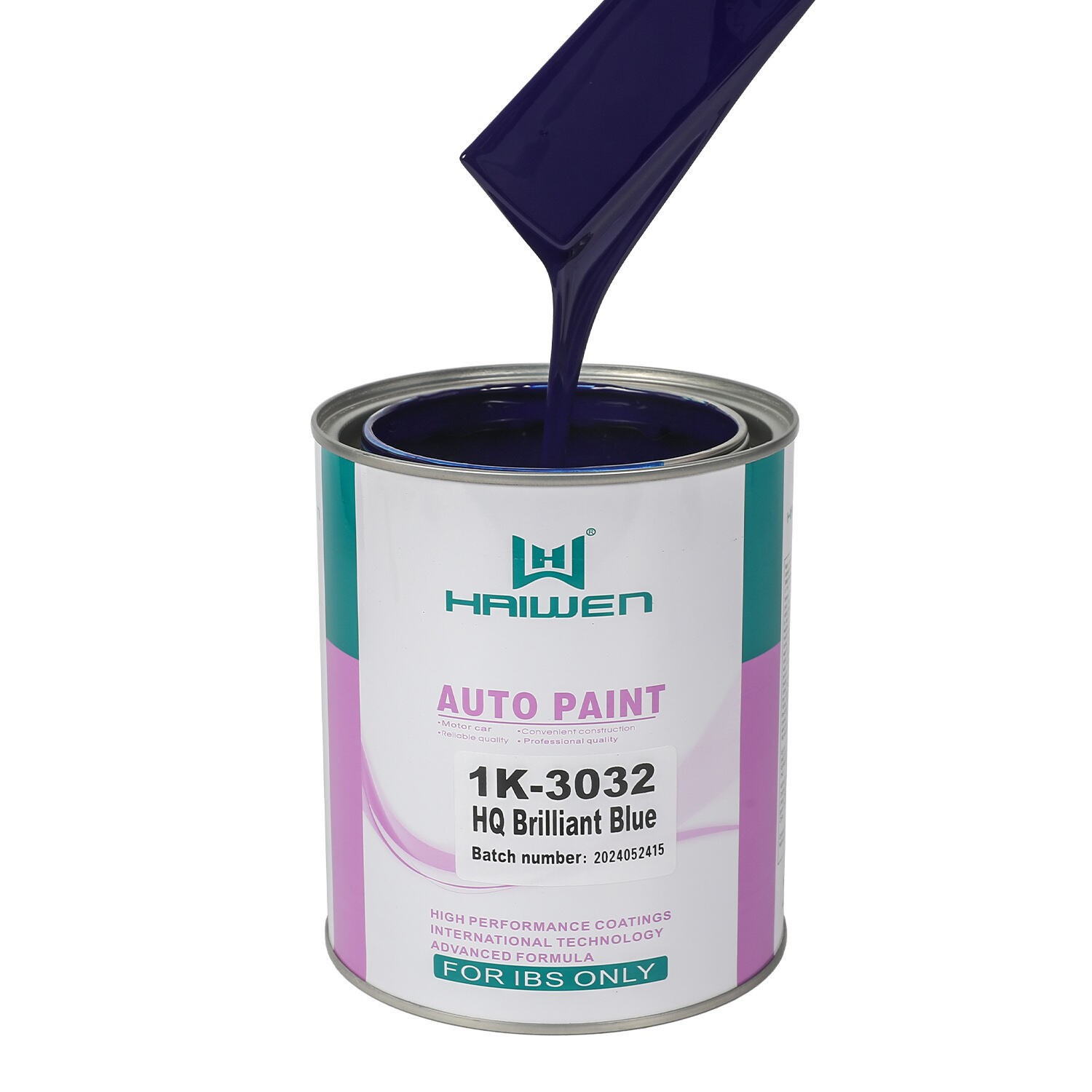
Achieving a professional-grade finish with automotive coatings requires meticulous attention to application techniques and product selection. 1K paint systems have become increasingly popular in the automotive refinishing industry due to their single-component formulation that eliminates the need for additional hardeners or catalysts. This simplified chemistry makes them particularly suitable for spot repairs, touch-ups, and full panel refinishing where time efficiency and consistent results are paramount. The success of any coating application depends heavily on proper surface preparation, environmental conditions, and adherence to manufacturer specifications throughout the entire process.
Understanding 1K Paint Formulation and Properties
Chemical Composition and Curing Mechanisms
The fundamental chemistry behind 1K paint systems revolves around solvent evaporation and air-drying mechanisms that differ significantly from two-component alternatives. These formulations typically contain acrylic resins, pigments, solvents, and various additives that work together to form a durable film upon application. The curing process occurs through oxygen polymerization and solvent evaporation, which means that ambient temperature and humidity levels play crucial roles in determining final film quality. Understanding these chemical interactions helps technicians optimize application parameters and troubleshoot common issues that may arise during the coating process.
Modern 1K paint formulations incorporate advanced resin technologies that enhance durability, color retention, and application characteristics compared to traditional alkyd-based systems. The absence of isocyanate hardeners makes these coatings safer to handle while reducing pot life constraints that often challenge technicians working with 2K systems. However, this simplified chemistry requires careful attention to film thickness control, as excessive buildup can lead to solvent entrapment and subsequent defects. Proper understanding of these material properties enables painters to select appropriate spray techniques and environmental controls for optimal results.
Performance Characteristics and Applications
The performance profile of 1K paint systems makes them particularly well-suited for specific automotive applications where rapid turnaround and consistent quality are essential. These coatings excel in spot repair scenarios, trim painting, and situations where complete panel refinishing is required without extensive booth time. The relatively fast tack-free times and moderate hardness development allow for efficient workflow management while maintaining professional appearance standards. Additionally, the reduced volatile organic compound emissions compared to some alternative systems make them increasingly attractive in markets with strict environmental regulations.
Durability characteristics of quality 1K paint formulations include excellent adhesion to properly prepared substrates, good resistance to common automotive fluids, and acceptable weathering performance for most service conditions. While they may not match the ultimate hardness and chemical resistance of some 2K systems, they provide a favorable balance of performance and practicality for many refinishing applications. The key to maximizing these performance benefits lies in proper application technique and adherence to specified curing conditions throughout the entire process.
Essential Surface Preparation Techniques
Substrate Cleaning and Contamination Removal
Achieving optimal adhesion with 1K paint systems begins with thorough substrate preparation that removes all traces of contamination and creates an appropriate surface profile. The cleaning process must address various types of contaminants including fingerprints, polishing compounds, silicone residues, and environmental pollutants that can interfere with proper wetting and adhesion. A systematic approach involving degreasing with appropriate solvents, followed by careful inspection under proper lighting conditions, ensures that the substrate is ready for coating application. This critical step cannot be overlooked, as even minor contamination can lead to adhesion failure or surface defects that compromise the final finish quality.
Effective contamination removal requires selection of cleaning solvents that are compatible with both the substrate material and the subsequent coating system. Many professional painters utilize a two-step cleaning process that begins with a degreasing agent to remove heavy contamination, followed by a final wipe with a clean solvent to eliminate any residual cleaning agents. The use of lint-free cloths and proper wiping techniques prevents recontamination during the cleaning process. Additionally, maintaining clean working environments and using appropriate personal protective equipment helps prevent introduction of new contaminants during the preparation phase.
Abrasion and Profile Development
Creating the proper surface profile through controlled abrasion is essential for maximizing the mechanical adhesion of 1K paint systems to the substrate. The selection of abrasive materials and techniques depends on the substrate type, existing coating condition, and specific product requirements outlined by the paint manufacturer. Generally, fine to medium-grit abrasives provide sufficient tooth for good adhesion without creating scratches that may telegraph through thin coating films. Consistent sanding patterns and appropriate sanding pressure ensure uniform surface preparation across the entire repair area.
Modern dry sanding techniques using high-quality abrasive products often provide superior results compared to wet sanding methods when preparing surfaces for 1K paint application. The elimination of water from the preparation process reduces the risk of contamination and allows for better control of dust and debris. However, proper dust extraction and containment measures are essential to prevent airborne particles from settling on prepared surfaces before coating application. Following abrasion, a final cleaning step with appropriate tack cloths removes any residual sanding dust that could interfere with surface smoothness.
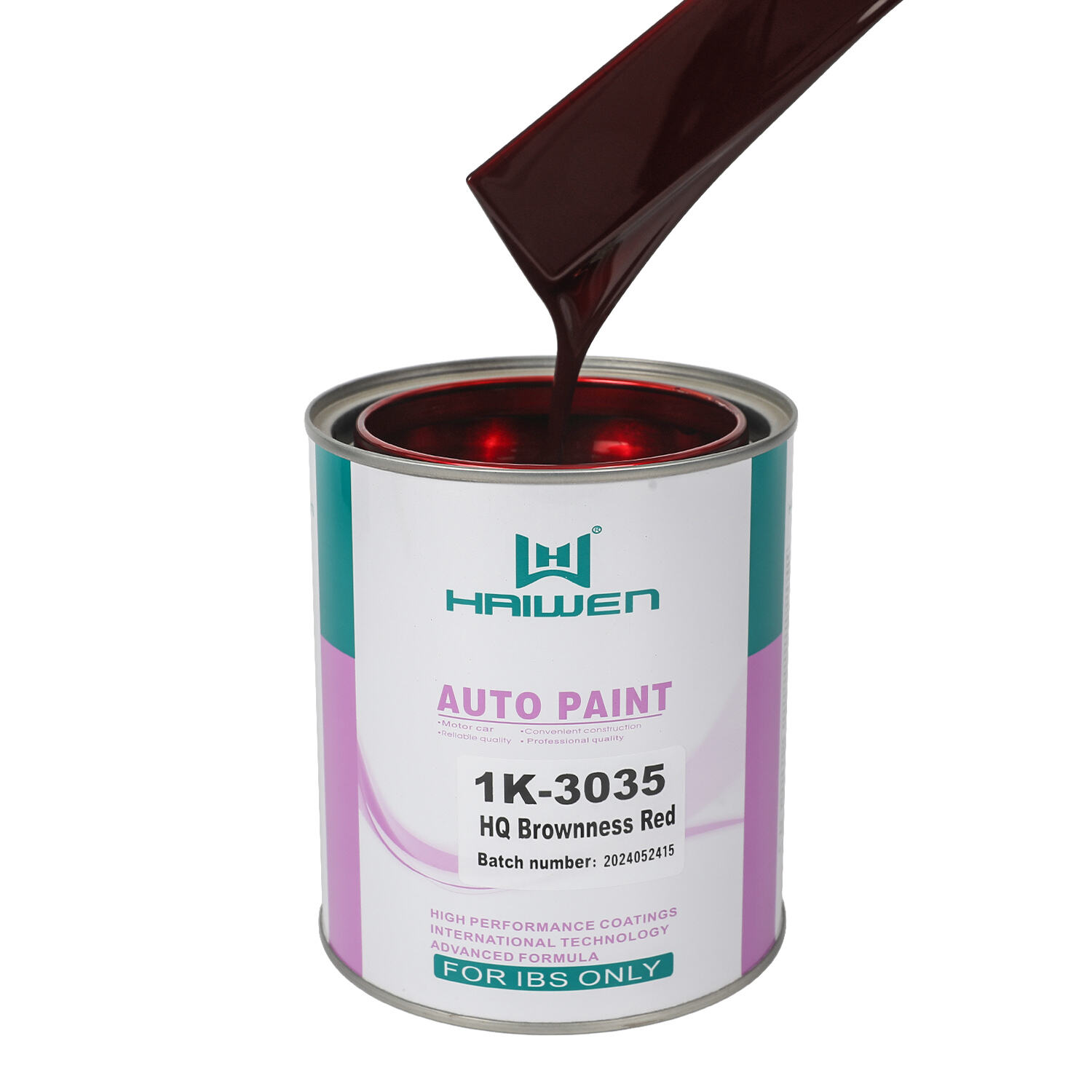
Optimal Application Methods and Equipment
Spray Gun Selection and Setup
The selection of appropriate spray equipment plays a crucial role in achieving consistent and high-quality results with 1K paint systems. Modern HVLP (High Volume Low Pressure) and conventional spray guns offer different advantages depending on the specific application requirements and painter preferences. HVLP systems typically provide better transfer efficiency and reduced overspray, making them ideal for spot repairs and situations where material conservation is important. The lower atomizing pressure also reduces the risk of texture issues that can occur with more aggressive spray patterns, particularly when working with temperature-sensitive formulations.
Proper spray gun setup involves careful adjustment of fluid flow, air pressure, and pattern width to match the specific characteristics of the 1K paint being applied. Most manufacturers provide detailed technical data sheets that specify recommended gun settings as starting points for optimization. Fine-tuning these parameters based on actual spray conditions, material temperature, and environmental factors ensures optimal atomization and film formation. Regular maintenance of spray equipment, including thorough cleaning between color changes and periodic replacement of wear parts, maintains consistent performance throughout the application process.
Spray Technique and Pattern Control
Developing consistent spray techniques is fundamental to achieving smooth, even finishes with 1K paint applications. The spray pattern should overlap approximately 50% on each pass, with consistent gun distance maintained throughout the application process. Proper gun movement involves smooth, parallel passes that begin and end beyond the work surface to ensure uniform coverage across the entire panel. The spray speed should be adjusted to provide adequate wet film thickness without causing runs or sags, particularly in vertical applications where gravity effects are more pronounced.
Environmental factors such as temperature, humidity, and air movement significantly influence spray technique requirements and must be considered when establishing application parameters. Higher temperatures may require faster spray speeds or adjusted thinning ratios to compensate for increased solvent evaporation rates, while high humidity conditions may necessitate modified flash times between coats. Understanding these relationships and making appropriate adjustments ensures consistent results regardless of varying shop conditions. Additionally, proper masking and overspray protection prevents contamination of adjacent surfaces and maintains clean, sharp edge definition.
Environmental Control and Curing Conditions
Temperature and Humidity Management
Environmental conditions during 1K paint application and curing have profound effects on final film quality and performance characteristics. Optimal temperature ranges typically fall between 65-75°F (18-24°C) for most formulations, with relative humidity levels maintained below 70% to prevent moisture-related defects. Temperature extremes can cause various issues including poor flow and leveling, orange peel texture, or inadequate curing that compromises durability. Monitoring and controlling these parameters through appropriate heating, cooling, and dehumidification equipment ensures consistent application conditions regardless of external weather variations.
Humidity control becomes particularly critical when working with 1K paint systems, as excess moisture can interfere with proper film formation and cause defects such as blushing or poor adhesion. The use of hygrometers and temperature monitoring equipment provides real-time feedback that allows technicians to adjust conditions as needed throughout the application process. In situations where ideal environmental conditions cannot be maintained, specific additives or modified application techniques may be required to compensate for adverse conditions while still achieving acceptable results.
Air Quality and Contamination Prevention
Maintaining clean air quality during 1K paint application prevents contamination that can cause surface defects and compromise finish quality. Proper filtration systems remove airborne particles, while adequate air exchange rates prevent solvent vapor buildup that could affect curing characteristics. The positioning of air intake and exhaust systems should create uniform airflow patterns that carry overspray and solvent vapors away from the work area without creating turbulence that could disturb wet paint films. Regular maintenance of filtration equipment ensures continued effectiveness throughout extended operating periods.
Contamination prevention extends beyond airborne particles to include proper handling of materials, tools, and work surfaces throughout the application process. The use of dedicated mixing and application equipment for each product type prevents cross-contamination between different coating systems. Additionally, establishing clear protocols for material storage, handling, and disposal helps maintain consistent quality while complying with safety and environmental regulations. These systematic approaches to contamination control are essential for achieving professional-grade results with 1K paint applications.
Common Application Challenges and Solutions
Texture and Appearance Issues
Orange peel texture represents one of the most common challenges encountered during 1K paint application and typically results from improper atomization, incorrect gun settings, or adverse environmental conditions. This defect appears as a bumpy surface texture that resembles the skin of an orange and can range from subtle to severe depending on the underlying causes. Correction requires careful analysis of spray technique, equipment settings, and environmental factors to identify and address the root cause. Adjustments to air pressure, fluid flow, gun distance, or material temperature often resolve mild texture issues without requiring complete refinishing.
Color matching challenges with 1K paint systems can arise from variations in application technique, environmental conditions, or material properties that affect final color development. Metamerism, or color variation under different lighting conditions, requires careful attention to spray technique consistency and proper color evaluation procedures. The use of standardized lighting systems and systematic spray-out procedures helps ensure accurate color matching throughout the repair process. When color adjustments are necessary, small test panels allow for fine-tuning without affecting the main repair area.
Adhesion and Durability Concerns
Poor adhesion issues with 1K paint applications often trace back to inadequate surface preparation, contamination, or improper primer selection for the specific substrate and service requirements. Systematic troubleshooting involves examining each step of the preparation and application process to identify potential failure points. Cross-hatch adhesion testing and pull-off testing provide quantitative assessment of coating adhesion that can guide corrective actions. When adhesion problems are identified, complete removal and reapplication with corrected procedures typically provides the most reliable long-term solution.
Durability concerns may manifest as premature wear, chemical staining, or weathering degradation that affects both appearance and protection characteristics. These issues often relate to film thickness variations, inadequate curing conditions, or exposure to service conditions beyond the coating's design limits. Regular inspection and maintenance protocols help identify developing problems before they require major refinishing work. Understanding the performance limitations of specific 1K paint formulations enables proper material selection for different application requirements and service environments.
FAQ
What is the ideal temperature range for applying 1K paint systems?
The optimal temperature range for most 1K paint applications falls between 65-75°F (18-24°C) with relative humidity below 70%. These conditions promote proper solvent evaporation rates and film formation while minimizing the risk of defects such as poor flow, orange peel texture, or inadequate curing. Temperatures outside this range may require adjusted application techniques or modified material formulations to achieve acceptable results.
How long should I wait between coats when using 1K paint?
Flash times between 1K paint coats typically range from 5-15 minutes depending on environmental conditions, film thickness, and specific product formulation. The surface should be tack-free but not fully cured before applying subsequent coats to ensure proper inter-coat adhesion. Excessive flash times can require light sanding between coats, while insufficient flash time may cause solvent entrapment and related defects.
Can 1K paint be wet sanded and polished after curing?
Yes, properly cured 1K paint can be wet sanded and polished to achieve high-gloss finishes, though the process requires more care compared to harder 2K systems. Allow full cure time as specified by the manufacturer before attempting any sanding operations, typically 24-48 hours under normal conditions. Use fine grits starting around P1500-P2000 and progress through increasingly fine compounds to achieve the desired gloss level without damaging the coating.
What causes runs and sags in 1K paint applications?
Runs and sags in 1K paint typically result from excessive film thickness, slow spray speed, incorrect gun distance, or environmental factors that slow solvent evaporation. Prevention involves maintaining proper spray technique with appropriate overlap patterns, correct gun settings, and adequate flash time between coats. If runs occur, they should be allowed to fully cure before carefully sanding and refinishing the affected area.
