
 EN
EN
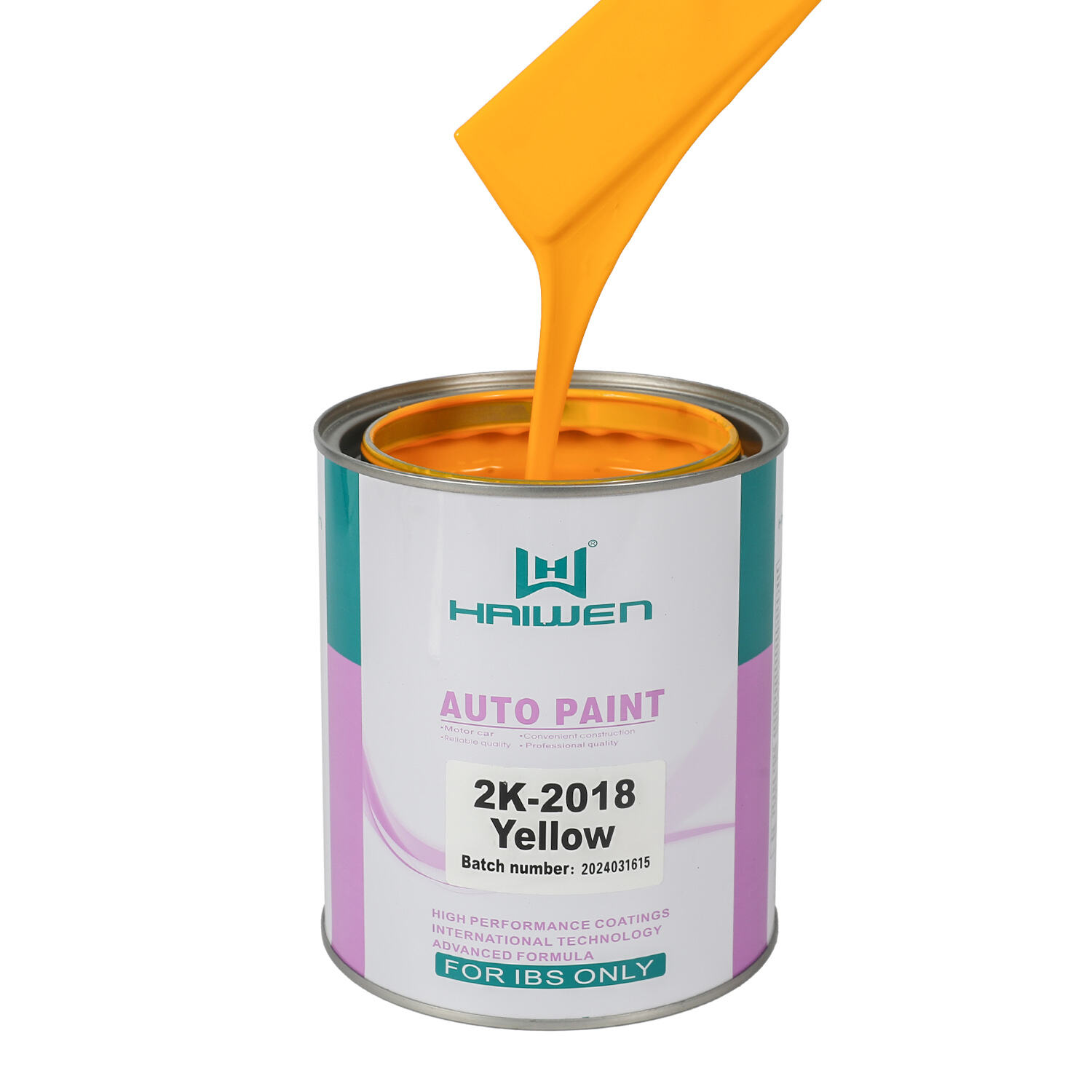
Original Equipment Manufacturers and their strategic partners are increasingly turning to 1K paint solutions for automotive refinishing projects that demand both speed and quality. The automotive industry's competitive landscape requires manufacturers to deliver exceptional results within tight deadlines, making the choice of coating systems critical to operational success. Single-component paint systems have emerged as the preferred solution for OEM partnerships seeking to optimize their production workflows without compromising on finish quality. This shift toward streamlined coating processes reflects a broader industry trend toward efficiency-driven manufacturing practices that maintain the high standards expected in automotive applications.
Understanding Single-Component Paint Technology
Chemical Composition and Formulation
1K paint represents a sophisticated approach to automotive coating that eliminates the complexity of multi-component mixing systems. The single-component formulation incorporates all necessary binding agents, pigments, and additives within a ready-to-use solution that requires no additional hardeners or catalysts. This streamlined composition ensures consistent performance characteristics while reducing the potential for mixing errors that can compromise finish quality. The chemical stability of 1K paint allows for extended shelf life and reliable application properties across varying environmental conditions.
Modern 1K paint formulations utilize advanced acrylic and alkyd resins that provide excellent adhesion properties and durability performance. These carefully engineered polymer systems create a robust film formation process that delivers professional-grade results without the complexity typically associated with two-component systems. The formulation chemistry ensures optimal flow and leveling characteristics that contribute to smooth, uniform finishes essential for automotive applications.
Application Characteristics and Performance
The application properties of 1K paint make it particularly suitable for quick turnaround projects where time constraints cannot compromise quality standards. Single-component systems offer superior spray gun compatibility and consistent viscosity properties that enable predictable application results. The paint's rheological characteristics support various application methods, from conventional spray techniques to advanced electrostatic application systems commonly used in OEM facilities.
Curing mechanisms in 1K paint systems rely on solvent evaporation and oxidative crosslinking processes that occur at ambient temperatures. This eliminates the need for high-temperature baking cycles typically required by other coating systems, significantly reducing energy consumption and processing time. The predictable cure profile allows for accurate scheduling and workflow optimization in high-volume production environments.
Efficiency Advantages in OEM Operations
Streamlined Production Workflows
OEM partnerships benefit significantly from the simplified logistics associated with 1K paint systems. Single-component formulations eliminate the need for precise mixing ratios and reduce material waste associated with unused mixed paint that must be discarded after pot life expiration. This streamlined approach to paint preparation translates directly into reduced labor costs and improved material utilization efficiency throughout the production process.
The consistency of 1K paint performance characteristics enables standardized application procedures across multiple production lines and facilities. This standardization supports quality control initiatives and reduces the training requirements for application technicians. OEM partners can implement unified coating protocols that ensure consistent results regardless of production location or operator experience levels.
Inventory Management Benefits
Managing inventory becomes significantly more straightforward with 1K paint systems due to their extended shelf stability and single-component nature. OEM facilities can maintain smaller inventory footprints while ensuring adequate material availability for production demands. The reduced complexity of material handling and storage requirements translates into lower operational overhead and improved supply chain efficiency.
Single-component paint systems also reduce the risk of material compatibility issues that can arise with multi-component systems where different lot numbers or formulation batches may affect mixing compatibility. This consistency supports just-in-time manufacturing principles while maintaining the flexibility to respond to unexpected production requirements or color specification changes.
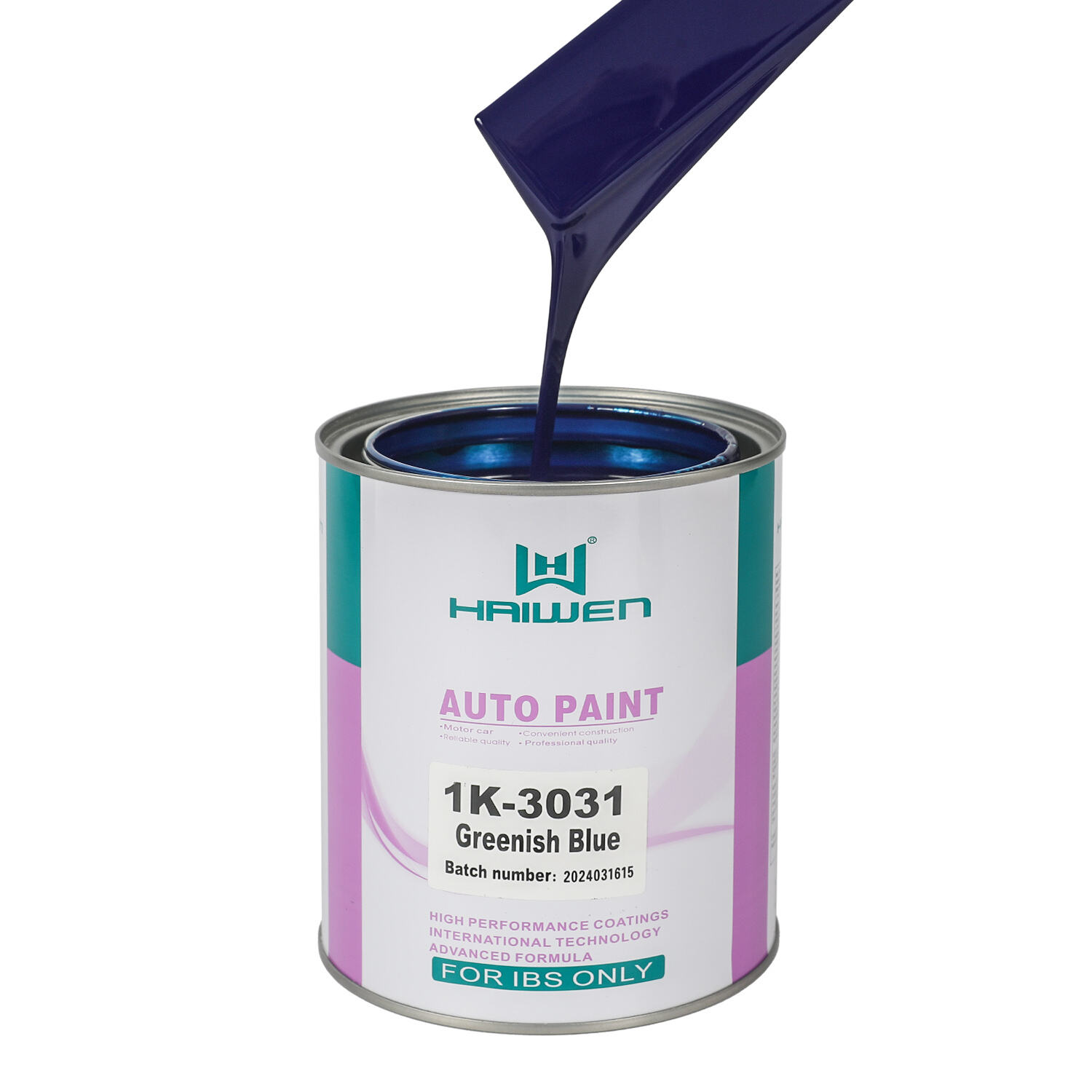
Quality Standards and Performance Metrics
Durability and Protection Properties
Despite their simplified formulation, modern 1K paint systems deliver exceptional durability performance that meets stringent automotive industry standards. The single-component chemistry provides excellent resistance to environmental factors including UV radiation, chemical exposure, and mechanical wear that vehicles encounter during their service life. Advanced stabilizer packages ensure color retention and gloss maintenance that satisfy long-term appearance requirements.
Corrosion protection capabilities of quality 1K paint formulations match or exceed traditional multi-component systems when properly applied over appropriate primer systems. The seamless film formation characteristics create effective barrier protection against moisture infiltration and galvanic corrosion processes. This protection performance is particularly important for OEM applications where warranty obligations extend over multiple years of vehicle service.
Finish Quality and Aesthetic Properties
The aesthetic properties achievable with professional-grade 1K paint systems satisfy the demanding appearance standards expected in automotive applications. Advanced pigment dispersion technology ensures uniform color development and excellent hiding power that eliminates substrate show-through. The formulation chemistry supports high-gloss finishes with excellent DOI (distinctness of image) values that contribute to premium appearance characteristics.
Color matching capabilities of 1K paint systems enable precise reproduction of OEM color specifications across various substrates and application conditions. The stability of single-component formulations reduces color variation between batches and ensures consistent appearance across large production runs. This reliability is essential for maintaining brand consistency and meeting customer appearance expectations.
Cost-Effectiveness in Partnership Operations
Material and Labor Cost Analysis
The economic advantages of 1K paint systems extend beyond material costs to encompass significant labor savings throughout the application process. Elimination of mixing procedures reduces both direct labor time and the skill level requirements for application personnel. This simplified workflow enables OEM partners to optimize staffing levels while maintaining consistent production output and quality standards.
Material waste reduction represents a substantial cost advantage in high-volume production environments where even small percentage improvements in material utilization translate into significant annual savings. The extended working time of 1K paint systems allows for more efficient use of prepared materials and reduces the frequency of equipment cleaning cycles required between color changes.
Equipment and Infrastructure Considerations
Single-component paint systems require less sophisticated mixing and metering equipment compared to multi-component alternatives, reducing capital investment requirements for OEM facilities. The simplified equipment needs also translate into lower maintenance costs and reduced downtime associated with mixing system failures or calibration requirements. This equipment simplification supports lean manufacturing principles while maintaining operational flexibility.
Storage and handling infrastructure requirements are significantly reduced with 1K paint systems due to their single-component nature and extended shelf stability. Facilities can optimize warehouse space utilization and reduce climate control requirements while maintaining adequate material inventory levels. The simplified logistics support more flexible supply chain strategies and reduce dependency on complex material management systems.
Environmental and Regulatory Compliance
VOC Emissions and Environmental Impact
Modern 1K paint formulations address environmental compliance requirements through advanced low-VOC chemistry that meets or exceeds regulatory standards without compromising performance characteristics. The single-component nature of these systems often results in lower overall solvent content compared to equivalent multi-component alternatives, supporting corporate sustainability initiatives and regulatory compliance objectives.
The reduced complexity of 1K paint systems simplifies environmental monitoring and reporting requirements for OEM facilities operating under strict environmental regulations. Single-component formulations eliminate the potential for improper mixing that could result in VOC emissions exceeding permitted levels or creating hazardous waste streams requiring special disposal procedures.
Workplace Safety and Health Considerations
Workplace safety benefits associated with 1K paint systems include reduced exposure risks for application personnel due to the elimination of hardener components that may contain isocyanates or other hazardous chemicals. The simplified chemistry reduces the number of safety data sheets and training requirements while maintaining effective personal protective equipment protocols. This safety profile supports comprehensive occupational health programs and reduces potential liability exposure for OEM partners.
The predictable handling characteristics of single-component systems reduce the potential for application errors that could result in safety incidents or product quality issues. Consistent viscosity and spray characteristics enable standardized safety procedures and reduce the need for frequent equipment adjustments that might expose workers to paint materials or cleaning solvents.
FAQ
How does 1K paint compare to traditional two-component systems in terms of durability
Modern 1K paint formulations provide durability performance that closely matches traditional two-component systems when applied properly over appropriate primer systems. While historically two-component paints offered superior chemical resistance, advances in single-component chemistry have narrowed this performance gap significantly. For most automotive refinishing applications, quality 1K paint systems deliver adequate durability with the added benefits of simplified application and reduced material waste.
What are the typical cure times for 1K paint in production environments
1K paint systems typically achieve tack-free surfaces within 15-30 minutes under normal shop conditions, with full cure developing over 24-48 hours depending on environmental conditions and film thickness. The ambient temperature curing eliminates the need for baking ovens and allows for faster throughput in production environments. This curing profile enables parts to be handled and assembled much sooner than systems requiring elevated temperature cures.
Can 1K paint systems achieve the same color accuracy as multi-component alternatives
Quality 1K paint systems can achieve excellent color accuracy that meets automotive industry standards for color matching and consistency. Advanced pigment dispersion technology and stabilized formulations ensure consistent color development across production runs. Many OEM partners find that the reduced variability associated with eliminating mixing procedures actually improves color consistency compared to multi-component systems where mixing errors can affect color accuracy.
What training requirements are necessary for technicians using 1K paint systems
Training requirements for 1K paint applications are generally less complex than multi-component systems due to the elimination of mixing procedures and pot life management. Technicians need instruction on proper spray techniques, surface preparation, and quality control procedures, but the simplified material handling reduces training time and complexity. Most OEM facilities can implement 1K paint systems with minimal additional training for experienced application personnel.
Table of Contents
- Understanding Single-Component Paint Technology
- Efficiency Advantages in OEM Operations
- Quality Standards and Performance Metrics
- Cost-Effectiveness in Partnership Operations
- Environmental and Regulatory Compliance
-
FAQ
- How does 1K paint compare to traditional two-component systems in terms of durability
- What are the typical cure times for 1K paint in production environments
- Can 1K paint systems achieve the same color accuracy as multi-component alternatives
- What training requirements are necessary for technicians using 1K paint systems
