
 EN
EN
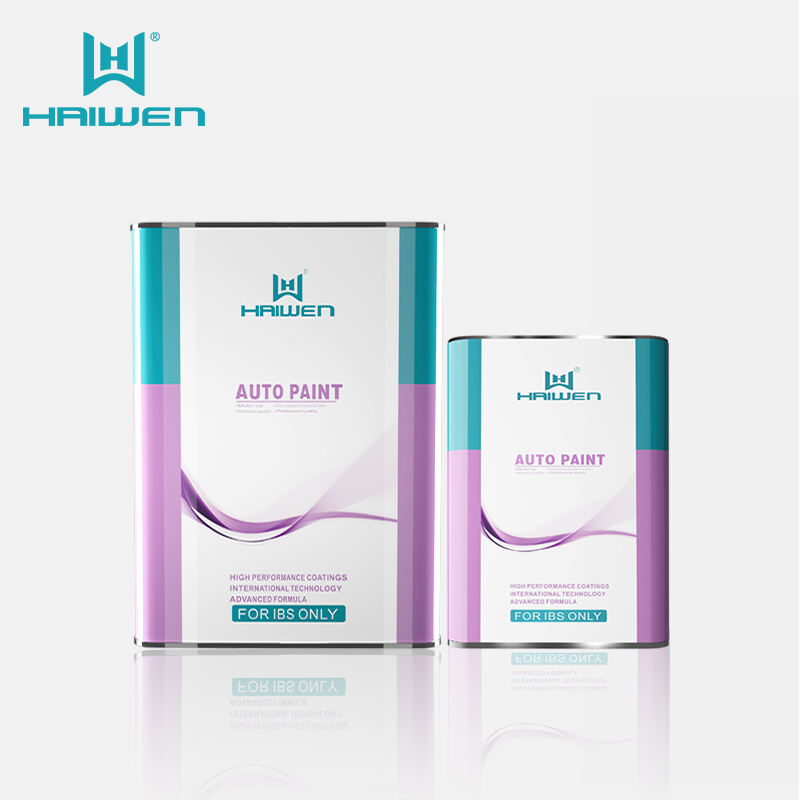
Automotive clearcoat serves as the critical protective barrier between your vehicle's paint and the relentless environmental forces that threaten its appearance and longevity. Professional automotive refinishing specialists understand that harsh environmental conditions can rapidly degrade paint systems without proper protection. Modern automotive clearcoat formulations provide advanced defense mechanisms against UV radiation, chemical contamination, physical abrasion, and extreme temperature fluctuations that commonly occur in challenging operating environments.
Understanding Environmental Threats to Automotive Paint Systems
UV Radiation Damage and Photo-Oxidation
Ultraviolet radiation represents one of the most destructive environmental factors affecting automotive paint durability. Extended exposure to UV rays triggers photo-oxidation processes that break down molecular bonds within paint structures, leading to color fading, chalking, and surface deterioration. High-quality automotive clearcoat contains UV-absorbing compounds and light stabilizers that intercept harmful radiation before it penetrates deeper paint layers. These protective mechanisms significantly extend color retention and surface integrity in sun-exposed environments.
Professional-grade automotive clearcoat formulations incorporate advanced UV protection technologies that maintain effectiveness for years under continuous exposure. The molecular structure of premium clearcoats includes sacrificial elements that absorb UV energy, preventing damage to underlying basecoat pigments. This protection becomes particularly crucial for vehicles operating in high-altitude locations, desert climates, or tropical regions where UV intensity exceeds normal levels.
Chemical Contamination Resistance
Environmental chemical contaminants pose serious threats to unprotected automotive paint systems. Industrial pollutants, acid rain, bird droppings, tree sap, and road salt create corrosive conditions that rapidly deteriorate paint surfaces. Automotive clearcoat provides a chemically resistant barrier that prevents these contaminants from reaching sensitive basecoat and primer layers. The non-porous surface characteristics of quality clearcoats facilitate easy cleaning while maintaining structural integrity.
Modern automotive clearcoat technologies incorporate chemical-resistant polymers that withstand exposure to common environmental contaminants without degrading or discoloring. This resistance extends paint system lifespan significantly compared to unprotected finishes. Professional refinishing operations rely on these protective properties to deliver long-lasting results in challenging service environments.
Advanced Clearcoat Technologies for Extreme Conditions
Multi-Layer Protection Systems
Contemporary automotive clearcoat systems utilize sophisticated multi-layer architectures that provide enhanced protection against diverse environmental challenges. These systems typically incorporate primer adhesion layers, barrier coats, and topcoat films that work synergistically to maximize durability. Each layer serves specific protective functions while contributing to overall system performance and longevity.
Premium automotive clearcoat formulations feature engineered polymer networks that provide superior hardness, flexibility, and chemical resistance simultaneously. This balanced approach ensures optimal protection against mechanical damage while maintaining elasticity necessary for thermal expansion and contraction cycles. Professional applicators recognize these advanced systems deliver exceptional performance in harsh operating environments where conventional clearcoats fail prematurely.
Self-Healing and Scratch-Resistant Properties
Innovative automotive clearcoat technologies now incorporate self-healing capabilities that automatically repair minor surface scratches and swirl marks through molecular reorganization processes. These advanced formulations contain specialized polymers that flow and level when activated by heat or UV exposure, effectively eliminating minor surface imperfections that would otherwise compromise appearance and protection.
Scratch-resistant automotive clearcoat systems utilize ceramic-enhanced polymers and nano-particle reinforcement to achieve superior surface hardness without sacrificing flexibility. These technologies significantly reduce maintenance requirements while preserving optimal appearance characteristics throughout extended service life. Vehicle owners benefit from reduced polishing frequency and maintained gloss retention even under challenging environmental conditions.
Application Techniques for Maximum Environmental Protection
Surface Preparation and Contamination Control
Proper surface preparation represents the foundation of successful automotive clearcoat application for harsh environment protection. Professional refinishing requires thorough cleaning, decontamination, and surface profiling to ensure optimal adhesion and performance. Microscopic contaminants, oxidation residues, and surface irregularities must be completely removed before clearcoat application to prevent premature failure modes.
Quality automotive clearcoat application depends on controlled environmental conditions including temperature, humidity, and air quality management. Professional spray booth environments eliminate airborne contamination while maintaining optimal curing conditions. Proper surface preparation and application environment control ensure maximum protective performance and extended service life.
Thickness Control and Coverage Optimization
Automotive clearcoat thickness directly impacts protective performance and durability characteristics. Insufficient film thickness provides inadequate protection against environmental threats, while excessive thickness can lead to cracking, poor adhesion, and application defects. Professional applicators utilize precise spray techniques and measurement tools to achieve optimal thickness specifications across all surface areas.
Uniform automotive clearcoat coverage ensures consistent protection across complex vehicle geometries including edges, curves, and recessed areas that experience concentrated environmental exposure. Advanced application techniques minimize thickness variations while maximizing coverage efficiency. Professional refinishing operations employ systematic application patterns that guarantee complete protection without material waste or performance compromises.
Long-Term Performance Monitoring and Maintenance
Inspection and Assessment Protocols
Regular monitoring of automotive clearcoat condition enables early detection of environmental damage and timely maintenance interventions. Professional assessment protocols include visual inspection for surface defects, gloss measurement, and adhesion testing to evaluate protective system integrity. These evaluations identify potential failure modes before significant damage occurs to underlying paint layers.
Systematic automotive clearcoat inspection schedules account for specific environmental exposure conditions and service requirements. Vehicles operating in marine environments require more frequent evaluation due to salt exposure, while desert operations demand enhanced UV damage monitoring. Professional maintenance programs adapt inspection frequency and assessment criteria to match actual operating conditions and protective system characteristics.
Preventive Maintenance Strategies
Proactive maintenance approaches maximize automotive clearcoat protective performance and extend system service life significantly. Regular cleaning protocols remove accumulated contaminants before they can penetrate protective barriers or cause surface etching. Professional maintenance includes contamination removal, surface conditioning, and protective treatments that enhance clearcoat resistance to environmental threats.
Advanced automotive clearcoat maintenance programs incorporate periodic surface treatments that restore protective properties and enhance environmental resistance. These treatments may include polymer sealants, ceramic coatings, or specialized protective films that provide additional barrier layers. Professional maintenance strategies balance protective enhancement with cost-effectiveness to deliver optimal long-term value.
Cost-Benefit Analysis of Premium Clearcoat Systems
Initial Investment Considerations
Premium automotive clearcoat systems require higher initial investment compared to conventional alternatives, but deliver superior long-term value through extended service life and reduced maintenance requirements. Professional cost analysis considers material costs, application labor, and equipment requirements against projected performance benefits and maintenance savings over the expected service period.
Quality automotive clearcoat systems justify premium pricing through enhanced durability, superior environmental protection, and maintained appearance characteristics. Fleet operators and commercial vehicle owners recognize these systems reduce total ownership costs through decreased refinishing frequency and improved asset value retention. Professional specification of appropriate clearcoat systems optimizes cost-effectiveness for specific operating requirements and environmental conditions.
Lifecycle Cost Optimization
Comprehensive lifecycle cost analysis demonstrates significant savings achieved through premium automotive clearcoat systems in harsh environmental applications. Extended service intervals, reduced maintenance requirements, and improved asset value retention offset higher initial investment costs. Professional fleet management incorporates these economic benefits into vehicle specification and maintenance planning processes.
Automotive clearcoat lifecycle optimization requires matching system capabilities with actual service requirements and environmental exposure conditions. Over-specification wastes resources while under-specification results in premature failure and increased total costs. Professional consultation ensures optimal system selection that maximizes protective performance while controlling lifecycle expenses.
FAQ
How long does automotive clearcoat protection typically last in harsh environments
Premium automotive clearcoat systems typically provide 5-7 years of effective protection in harsh environments when properly applied and maintained. Actual service life depends on specific environmental conditions, application quality, and maintenance practices. Marine environments and intense UV exposure may reduce service life, while controlled conditions can extend protection beyond typical expectations.
Can damaged automotive clearcoat be repaired without complete refinishing
Minor automotive clearcoat damage can often be repaired through spot treatment, polishing, or localized reapplication techniques. However, extensive damage, contamination, or adhesion failure typically requires complete system removal and refinishing to restore optimal protection. Professional assessment determines the most cost-effective repair approach based on damage extent and system condition.
What environmental conditions require the most advanced automotive clearcoat protection
Marine environments, desert climates, industrial areas with chemical contamination, and high-altitude locations with intense UV exposure require the most advanced automotive clearcoat protection systems. These conditions accelerate degradation processes and demand enhanced resistance capabilities. Professional system selection considers specific environmental threats to ensure adequate protection throughout the expected service period.
How does automotive clearcoat thickness affect environmental protection performance
Automotive clearcoat thickness directly impacts environmental protection performance, with optimal thickness ranges providing maximum durability and resistance. Insufficient thickness reduces barrier effectiveness and accelerates environmental damage, while excessive thickness can compromise flexibility and adhesion. Professional application achieves specified thickness ranges that optimize protective performance for specific environmental conditions and service requirements.
Table of Contents
- Understanding Environmental Threats to Automotive Paint Systems
- Advanced Clearcoat Technologies for Extreme Conditions
- Application Techniques for Maximum Environmental Protection
- Long-Term Performance Monitoring and Maintenance
- Cost-Benefit Analysis of Premium Clearcoat Systems
-
FAQ
- How long does automotive clearcoat protection typically last in harsh environments
- Can damaged automotive clearcoat be repaired without complete refinishing
- What environmental conditions require the most advanced automotive clearcoat protection
- How does automotive clearcoat thickness affect environmental protection performance
