
 EN
EN
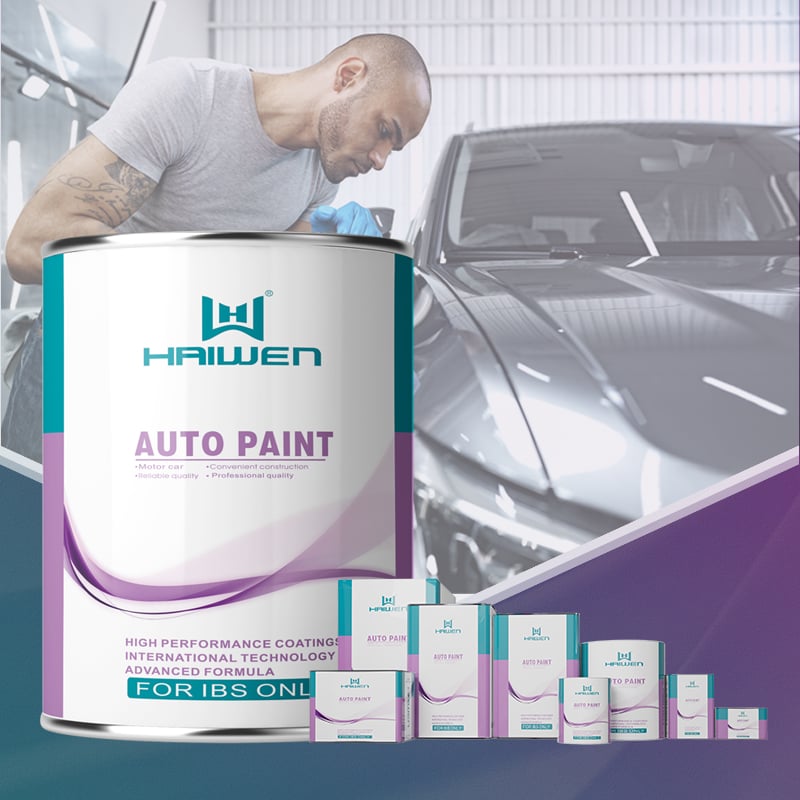
Understanding the distinction between lightweight and standard body filler is essential for anyone involved in auto body repair techniques. These two formulations serve the same general purpose of filling dents and imperfections in vehicle surfaces, yet they offer fundamentally different working characteristics, application methods, and performance outcomes. Choosing the right type of filler directly impacts repair quality, labor time, material costs, and the longevity of your restoration work. This guide explores the critical differences to help you make informed decisions on your next project.
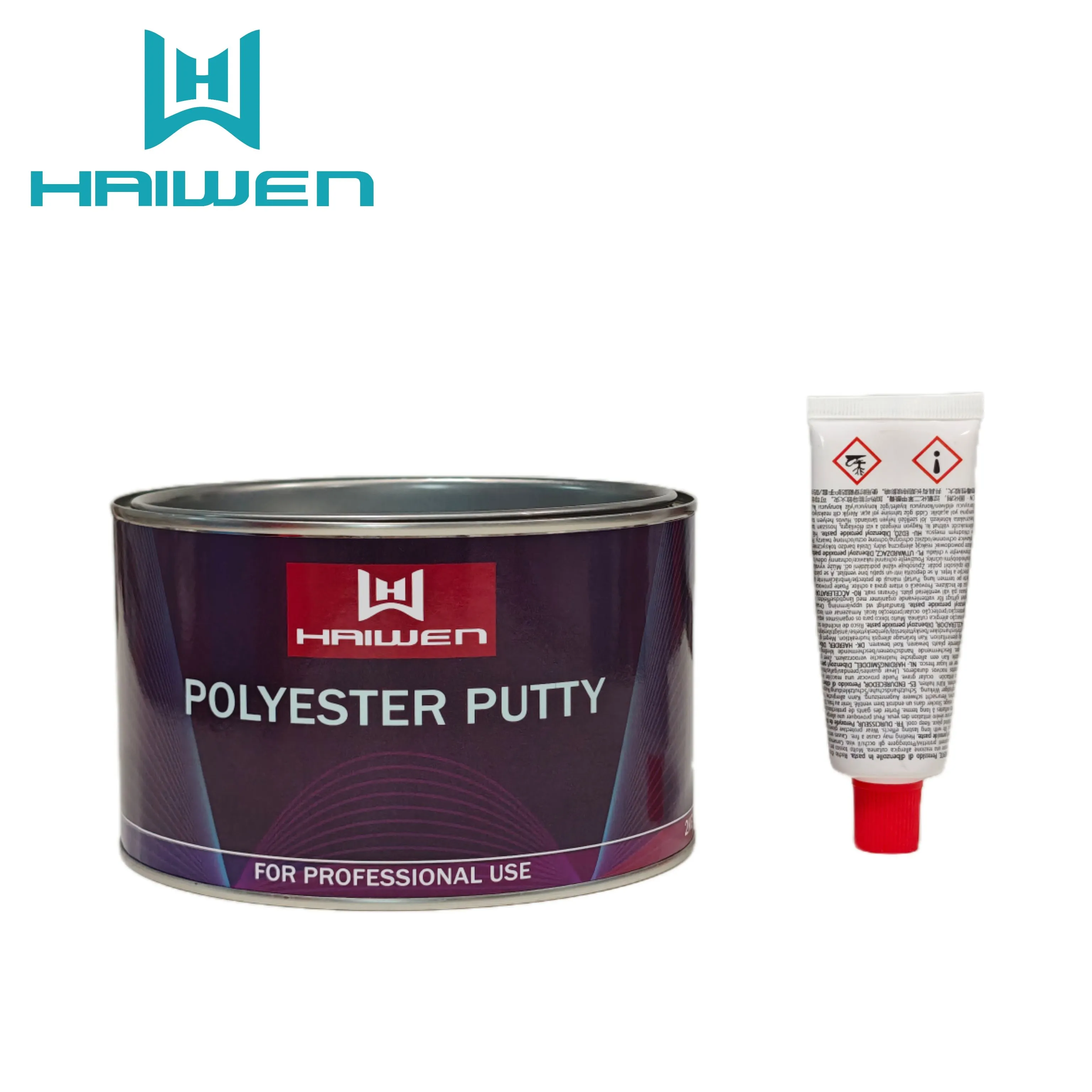
Both lightweight and standard body filler are polyester-based compounds designed to fill, shape, and smooth surfaces before final finishing. The primary difference lies in their density, composition, and how they perform under various repair scenarios. Standard body filler has been the industry workhorse for decades, offering proven reliability and excellent adhesion. Lightweight variants emerged to address specific challenges, including reduced weight on parts and easier sanding characteristics. Understanding when and where to apply each type ensures your auto body repair techniques remain efficient and cost-effective.
Composition and Material Differences
Standard Body Filler Formulation
Standard body filler is a heavy-duty polyester putty that contains a higher concentration of mineral fillers and resins. This formulation delivers superior filling capability and exceptional hardness once cured, making it ideal for large dents and structural repairs. The density of standard filler means it sands well and provides a stable base for primer and paint application. Because of its robust composition, standard body filler requires proper mixing ratios and careful application to prevent shrinkage and cracking during the curing process.
Lightweight Body Filler Technology
Lightweight body filler incorporates microspheres or hollow plastic beads into the polyester matrix, dramatically reducing overall weight while maintaining structural integrity. This innovation makes the filler easier to sand and manipulate, particularly beneficial on plastic body panels where weight reduction matters. Fiberglass reinforced putty variations within the lightweight category add extra durability for high-stress areas. The reduced density does not compromise adhesion; instead, it simplifies the finishing process and reduces labor time on certain applications.
Application Performance and Working Characteristics
Sanding and Shaping Ease
One of the most noticeable differences between the two types emerges during the sanding stage of dent repair and smoothing work. Lightweight body filler sands significantly faster because the microspheres create natural separation points that allow dust to escape more readily. Workers experience less hand fatigue and complete sanding operations in less time, which translates directly to labor savings. Standard body filler requires more aggressive sanding approaches and produces finer dust that can clog sandpaper more quickly, extending the finishing process and increasing operational time.
Sandability and Final Surface Quality
Standard body filler creates a denser surface after curing, resulting in a harder finish that maintains its integrity through aggressive sanding sequences. This characteristic makes it superior for high-impact areas or parts requiring multiple coats of primer and paint. Lightweight formulations sand smoothly but may require gentler techniques to avoid oversanding and compromising the repair integrity. The choice between these approaches depends on the specific repair location and the stress the finished surface will experience in service.
Cost, Weight, and Practical Selection Criteria
Material and Labor Economics
Lightweight body filler typically carries a premium price compared to standard formulations, but the cost difference often justifies itself through reduced labor hours and faster job completion. For high-volume repair shops focusing on efficiency, the labor savings on dent repair and smoothing operations can offset the higher material cost per unit. Standard body filler remains the economical choice for small repairs or situations where speed is less critical. Budget-conscious operations often maintain both types in inventory, selecting the appropriate material based on specific job requirements and profitability calculations.
Weight Considerations for Modern Vehicles
Modern automotive design increasingly emphasizes weight reduction for fuel efficiency and performance improvements. Using lightweight body filler on plastic bumpers, fenders, and trim components supports these engineering goals without sacrificing durability. For steel body panels, weight differences are negligible, making standard body filler an acceptable choice from a weight perspective. Fleet operators and collision repair centers serving modern vehicles often prefer lightweight options to ensure compliance with manufacturer specifications and maintain overall vehicle weight ratings.
Application Suitability and Project Matching
Standard body filler excels in heavy-duty repairs involving large surface damage, structural adjustments, and areas requiring maximum hardness after cure. This type remains the preferred choice for collision work where impact resistance and long-term durability are paramount. Lightweight body filler proves ideal for touch-up work, plastic panel repairs, and situations where fiberglass reinforced putty benefits from reduced weight without sacrificing strength. Understanding your specific auto body repair techniques and the demands of each project ensures you select the most effective material for optimal results and customer satisfaction.
FAQ
What is body filler used for in automotive repair?
Body filler serves as a critical material in auto body repair techniques for filling dents, gaps, and surface imperfections on vehicle bodies. It bridges the space between damaged metal or plastic panels and the final primer and paint finish, creating a smooth, uniform surface ready for finishing coats. Both standard and lightweight varieties accomplish this task, with selection depending on repair scope and specific vehicle requirements.
Can lightweight body filler be used on all vehicle panels?
Lightweight body filler works effectively on plastic bumpers, composite panels, and light-duty repair situations, making it an excellent choice for modern vehicles with plastic body components. However, high-stress steel panels and collision damage areas typically benefit more from standard body filler's superior hardness and impact resistance. Always consult the filler manufacturer's recommendations and vehicle-specific repair guidelines before selecting your dent repair and smoothing material.
Why is fiberglass reinforced putty sometimes preferred over basic formulations?
Fiberglass reinforced putty adds extra structural strength and crack resistance, making it ideal for areas subject to vibration, flexing, or thermal stress. This enhanced formulation prevents shrinkage cracks that can appear in basic body filler applications, particularly in high-vibration engine compartments or suspension-adjacent areas. The additional reinforcement justifies the premium cost in critical repair locations where long-term durability and aesthetic quality are non-negotiable.