 EN
EN
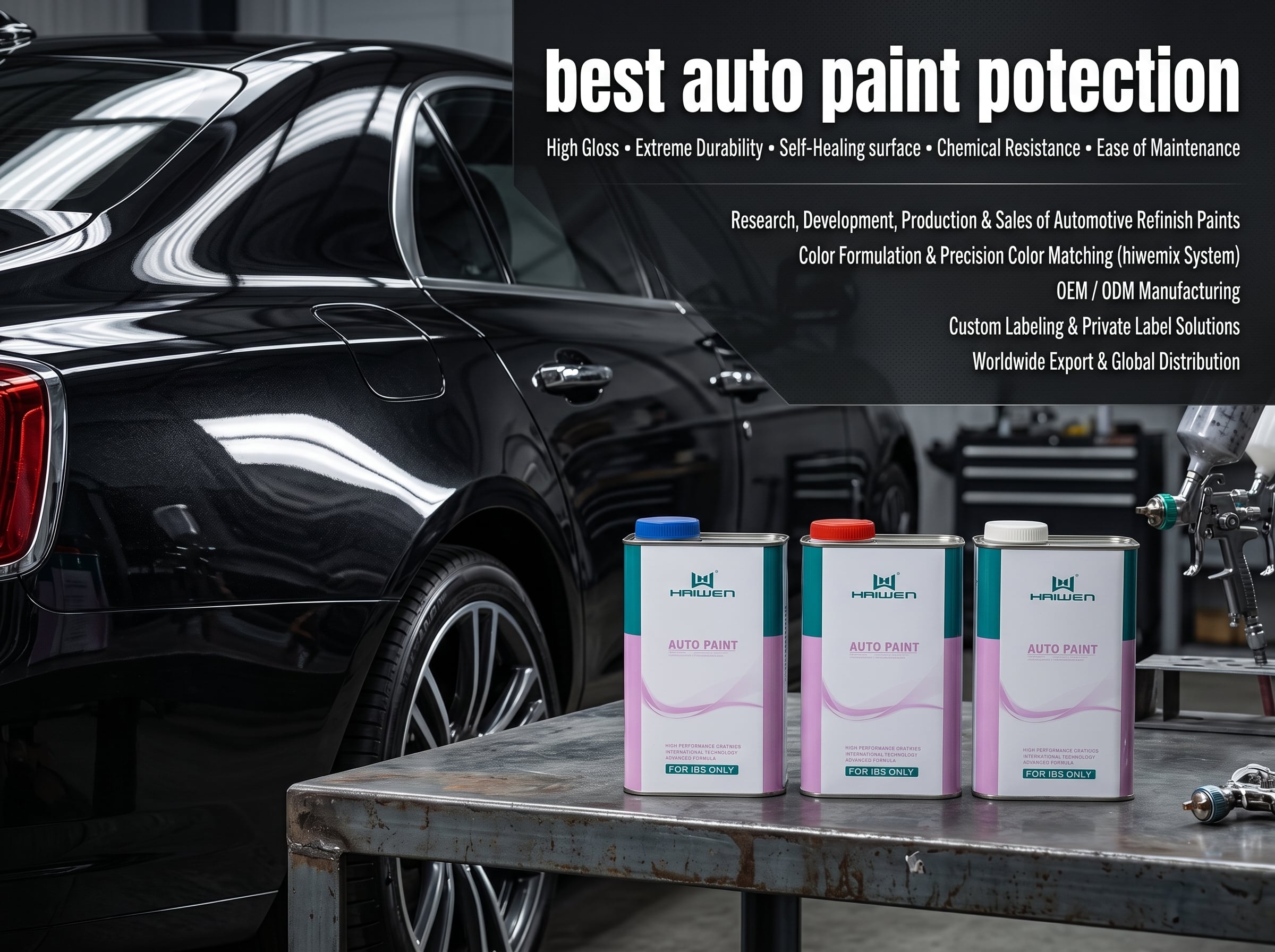
When protecting metal surfaces against corrosion and environmental degradation, the foundation of any coating system determines its long-term performance. Epoxy Primer stands out as the preferred choice for professionals who demand superior adhesion, chemical resistance, and durability. Unlike conventional primers, epoxy formulations create an exceptionally strong molecular bond with metal substrates, ensuring that topcoats remain firmly attached through decades of exposure to moisture, temperature fluctuations, and industrial contaminants. This fundamental superiority in adhesion performance translates directly into reduced maintenance costs, extended asset lifespan, and enhanced safety across automotive, marine, industrial, and aerospace applications.
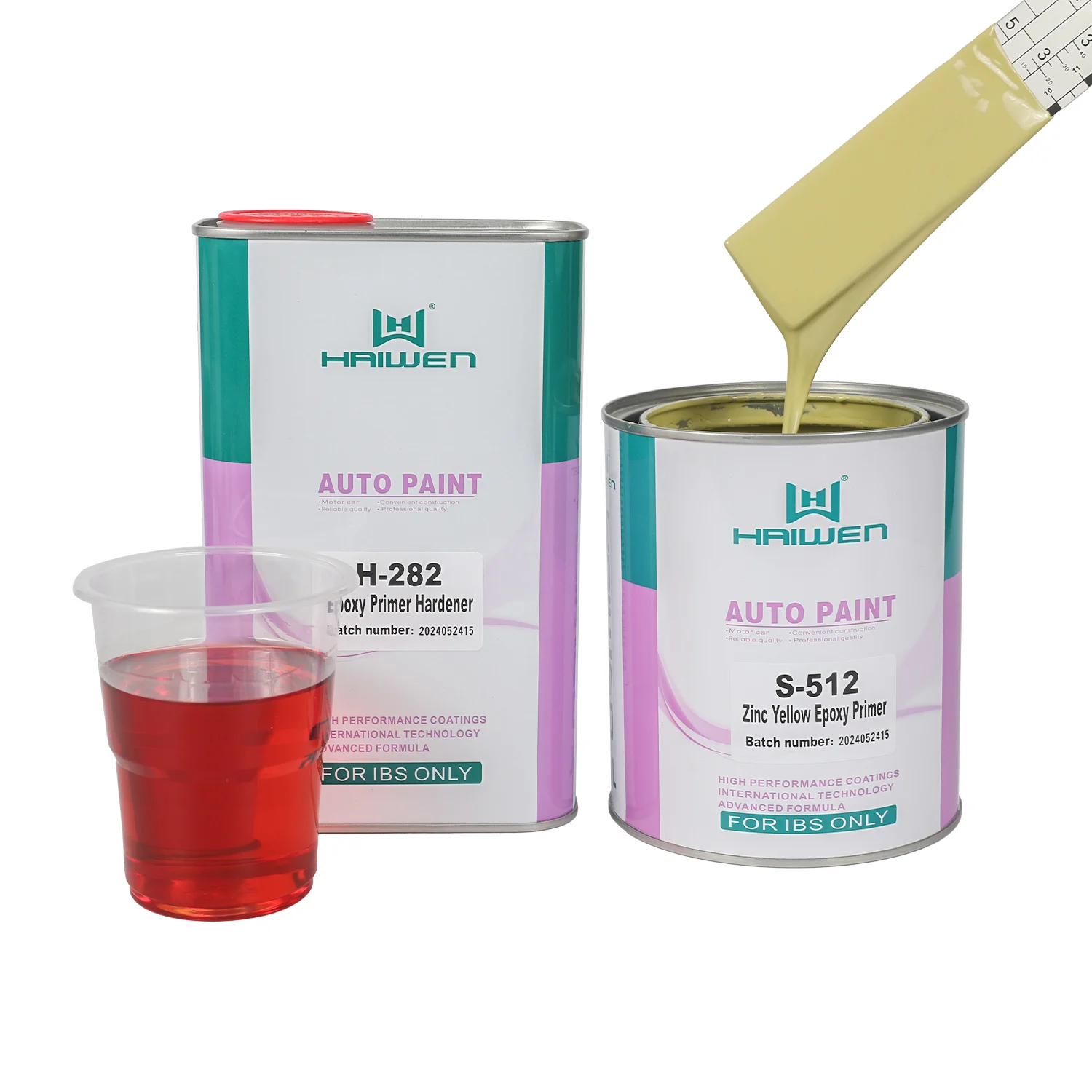
The chemistry behind epoxy primer's adhesion advantage lies in its two-part composition and cross-linking mechanism. When resin and hardener combine, they form dense polymer chains that mechanically and chemically interlock with metal oxide layers on the substrate surface. This bonding process is fundamentally different from single-component primers, creating a barrier system that resists both salt spray and harsh chemicals while maintaining flexibility to accommodate substrate movement.
Why Metal Surfaces Require Superior Adhesion Protection
Metal oxidation represents one of the costliest industrial problems worldwide, with corrosion causing billions in damage annually across infrastructure, vehicles, equipment, and structures. The best epoxy primer for metal addresses this challenge by preventing moisture penetration at the substrate interface, where corrosion initiates. Metal surfaces exposed to humidity, saltwater, or industrial atmospheres develop oxide films that act as barriers to adhesion unless properly prepared and primed. When inadequate primers fail to establish strong adhesion, water molecules eventually migrate beneath the coating, initiating galvanic corrosion that undermines the entire protective system.
The Role of Substrate Preparation in Adhesion Performance
Surface preparation determines whether any primer, including epoxy formulations, can achieve optimal adhesion. Steel surfaces must be cleaned to remove rust, mill scale, oils, and contaminants through methods such as sandblasting, grinding, or chemical cleaning. Epoxy primer performance depends critically on exposing bare metal and maintaining a properly roughened profile that facilitates mechanical anchoring. When substrates are properly prepared to standards such as SSPC-SP6 or ISO 8501, epoxy primer adhesion values routinely exceed 5 megapascals in pull-off testing, far surpassing polyester and urethane alternatives.
Cross-Linking Chemistry and Long-Term Stability
Epoxy primer's cross-linked polymer network resists degradation from ultraviolet exposure, thermal cycling, and chemical attack more effectively than conventional primers. The three-dimensional matrix structure created during epoxy curing prevents moisture ingress and maintains adhesion integrity even after years of environmental exposure. This inherent chemical stability explains why epoxy primer application techniques emphasize proper mixing ratios and pot life management, ensuring the hardener fully reacts with the resin for maximum cross-linking density.
Epoxy Primer Application Techniques for Maximum Adhesion
Successful epoxy primer application requires strict adherence to technical specifications and environmental controls that directly influence adhesion outcomes. Temperature, humidity, and surface conditions during application dramatically affect cure speed, flow characteristics, and final adhesion strength. Professional applicators understand that epoxy primer application techniques are not merely convenience considerations but critical factors determining whether the coating system performs as engineered.
Surface Preparation and Priming Sequence
The epoxy primer application techniques sequence begins with comprehensive surface cleaning and profiling before any coating contact occurs. After mechanical or chemical cleaning removes contaminants, the substrate must be dry and protected from atmospheric moisture until priming begins. Two-component epoxy primer must be mixed immediately before application in precise ratios specified by the manufacturer, typically within narrow tolerances to ensure proper cross-linking. Application equipment such as spray guns or brushes must be compatible with epoxy chemistry, and multiple thin coats typically outperform single thick applications in achieving uniform adhesion and preventing entrapment of air or solvent.
Environmental Factors and Cure Optimization
Epoxy primer application techniques account for ambient temperature, humidity, and substrate temperature as primary variables controlling cure kinetics and adhesion development. Most epoxy primers cure optimally between 15°C and 25°C with relative humidity below 85 percent. Cold or humid conditions slow chemical cross-linking, potentially allowing water absorption before the protective film hardens adequately. Conversely, elevated temperatures accelerate cure but may reduce working time, requiring faster application and careful technique management. Allowing proper cure time between epoxy primer coats and before topcoat application ensures the polymer network fully develops, maximizing the adhesion bond strength that justifies epoxy's cost premium over conventional alternatives.
Epoxy Primer vs Polyester Primer Performance Comparison
When evaluating coating systems for demanding metal protection applications, understanding the distinctions between epoxy primer vs polyester primer clarifies why professionals consistently select epoxy for critical infrastructure and high-performance environments. Both primers serve adhesion and corrosion prevention functions, yet their chemical properties, performance characteristics, and application contexts differ substantially in ways that directly impact long-term project outcomes.
Chemical Resistance and Environmental Protection
Epoxy primer vs polyester primer comparisons reveal significant advantages in chemical resistance favoring epoxy formulations. Epoxy primer resists aggressive chemicals including oils, fuels, alkaline solutions, and acidic compounds that may degrade polyester binders over extended exposure. The cross-linked epoxy network provides superior barrier properties against moisture penetration, making epoxy primer the preferred choice for marine environments, chemical processing facilities, and underground storage tank protection. Polyester primers, while cost-effective and faster-drying, offer less robust chemical resistance and typically show adhesion loss when exposed to harsh chemical environments that epoxy primer vs polyester primer comparisons document extensively.
Adhesion Durability and Long-Term Cost Justification
The adhesion superiority that defines epoxy primer vs polyester primer distinctions translates into measurable economic advantages over coating system lifespans. Epoxy primer maintains strong substrate adhesion for 10 to 15 years or longer in typical industrial environments, whereas polyester primers typically sustain adhesion for 5 to 8 years before adhesion loss initiates coating failure. When evaluating lifecycle costs including surface preparation, application labor, and maintenance repainting frequency, epoxy primer's higher initial cost is offset by extended service intervals and reduced total maintenance expenditure. Industries such as marine shipping, oil and gas infrastructure, and transportation routinely justify epoxy primer selection based on superior adhesion durability demonstrated through decades of field performance and accelerated weathering laboratory data.
FAQ
What makes epoxy primer adhesion superior to standard primers on metal?
Epoxy primer creates superior adhesion through two-part cross-linking chemistry that forms dense polymer chains mechanically and chemically bonding with metal oxide layers. The resulting three-dimensional network resists moisture penetration and maintains adhesion integrity for extended periods, whereas single-component primers rely on simple evaporation and offer less durable substrate bonds. Epoxy primer adhesion strength typically exceeds 5 megapascals in pull-off testing, substantially outperforming conventional alternatives under identical preparation and environmental conditions.
Can epoxy primer be applied in cold or humid conditions?
Best epoxy primer for metal applications requires optimal environmental conditions for reliable performance. Cold temperatures below 15°C slow epoxy primer cross-linking, potentially allowing water absorption before the protective film hardens adequately. High humidity above 85 percent similarly extends cure time and risks blush formation or inadequate adhesion development. While epoxy primer formulations exist specifically engineered for extended-temperature cure, standard epoxy primers perform most reliably when applied between 15°C and 25°C with relative humidity below 85 percent, ensuring consistent adhesion development and long-term coating durability.
How does epoxy primer adhesion performance compare directly to polyester?
Epoxy primer vs polyester primer adhesion testing consistently demonstrates epoxy superiority across multiple performance metrics. Epoxy primer maintains strong adhesion for 10 to 15 years in typical industrial environments, whereas polyester primers sustain adhesion for approximately 5 to 8 years before degradation initiates. Epoxy primer resists chemical attack, moisture penetration, and thermal cycling more effectively than polyester alternatives, justifying higher initial costs through extended service life and reduced maintenance frequency. For demanding applications in marine, aerospace, or industrial chemical environments, epoxy primer adhesion performance advantages are significant enough to warrant specification regardless of cost considerations.