
 EN
EN
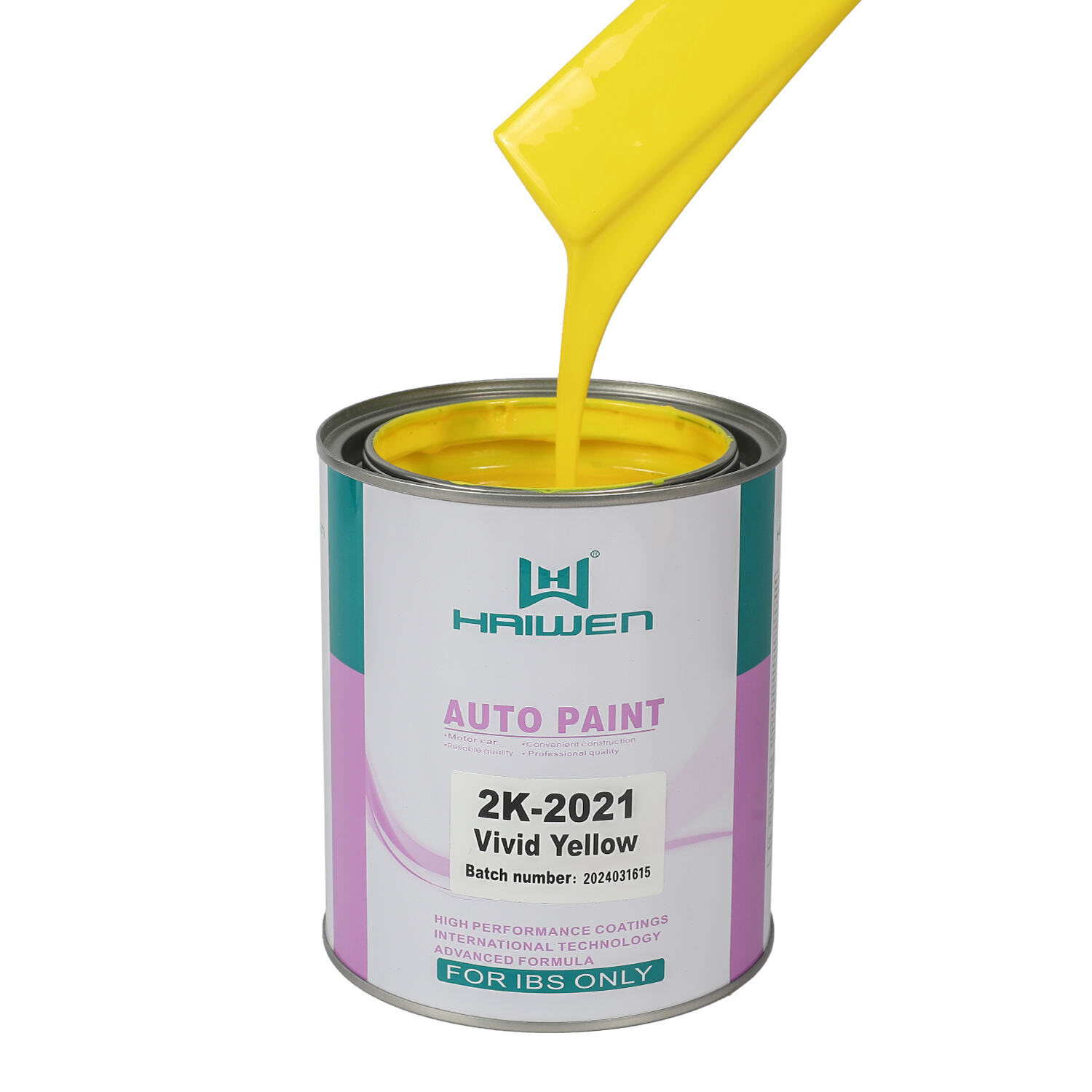
Professional automotive body repair requires precision, durability, and materials that deliver exceptional results under demanding conditions. When it comes to achieving superior paint adhesion and corrosion protection, 2K epoxy primer stands as the industry standard for automotive refinishing professionals worldwide. This advanced primer system offers unmatched performance characteristics that make it the preferred choice for collision repair shops, restoration specialists, and automotive manufacturers seeking reliable foundation coatings for their projects
The automotive refinishing industry has evolved significantly over the past decades, with modern vehicles requiring sophisticated coating systems that can withstand environmental challenges while maintaining aesthetic appeal. Traditional single-component primers often fall short of meeting these demanding requirements, particularly when dealing with mixed substrate repairs or challenging environmental conditions. The development of 2K epoxy primer technology has revolutionized how professionals approach automotive body repair, providing a robust foundation that ensures long-lasting results and customer satisfaction.
Understanding the unique properties and benefits of 2K epoxy primer is essential for automotive professionals who want to deliver superior repair results. This comprehensive guide explores the technical advantages, application benefits, and practical considerations that make 2K epoxy primer the optimal choice for automotive body repair applications across various vehicle types and repair scenarios.
Understanding 2K Epoxy Primer Technology
Chemical Composition and Cross-Linking Process
The foundation of 2K epoxy primer effectiveness lies in its sophisticated chemical composition and cross-linking mechanism. Unlike single-component primers that rely on solvent evaporation for curing, 2K epoxy primer utilizes a two-component system where the base resin and hardener create irreversible chemical bonds when mixed. This cross-linking process produces a three-dimensional polymer network that provides exceptional adhesion strength and chemical resistance properties that are impossible to achieve with traditional primer formulations.
The epoxy resin component contains reactive epoxide groups that form covalent bonds with the polyamine hardener, creating a durable matrix that exhibits superior mechanical properties. This chemical reaction continues even after the primer appears dry, allowing the coating to develop full strength and adhesion characteristics over time. The result is a primer system that bonds tenaciously to various substrates while providing an ideal foundation for subsequent topcoat applications.
Advanced 2K epoxy primer formulations incorporate specialized additives that enhance specific performance characteristics, including corrosion inhibitors, UV stabilizers, and rheology modifiers. These components work synergistically to create a primer system that not only provides excellent adhesion but also contributes to the overall durability and appearance of the finished repair. The precise balance of these components is critical to achieving optimal performance in automotive applications where reliability and longevity are paramount.
Superior Adhesion Properties
One of the most significant advantages of 2K epoxy primer is its exceptional adhesion to diverse automotive substrates. Modern vehicles incorporate various materials including steel, aluminum, galvanized surfaces, and composite materials, each presenting unique adhesion challenges. The molecular structure of 2K epoxy primer allows it to form strong chemical bonds with these different substrates, creating a unified foundation that prevents delamination and ensures long-term coating integrity.
The adhesion mechanism of 2K epoxy primer involves both chemical and mechanical bonding processes. Chemical adhesion occurs through the formation of polar bonds with substrate surfaces, while mechanical adhesion results from the primer's ability to penetrate surface irregularities and create physical interlocking. This dual-action adhesion system provides redundant bonding mechanisms that ensure reliable performance even under challenging service conditions.
Testing data consistently demonstrates that properly applied 2K epoxy primer achieves adhesion values significantly higher than single-component alternatives. This superior adhesion translates directly to improved coating durability, reduced warranty claims, and enhanced customer satisfaction. The investment in quality primer systems pays dividends through reduced callbacks and enhanced shop reputation for delivering lasting repairs.
Corrosion Protection Excellence
Active and Passive Protection Mechanisms
Corrosion protection represents one of the most critical functions of any automotive primer system, and 2K epoxy primer excels in this area through multiple protective mechanisms. The dense cross-linked structure of cured 2K epoxy primer creates an effective barrier against moisture, oxygen, and corrosive chemicals that can initiate metal degradation. This passive protection forms the first line of defense against environmental attack, preventing corrosive agents from reaching the substrate surface.
Many high-performance 2K epoxy primer formulations incorporate active corrosion inhibitors such as zinc phosphate or zinc chromate compounds that provide additional protection through electrochemical mechanisms. These inhibitors work by creating a protective oxide layer on metal surfaces and by providing sacrificial protection that prevents localized corrosion from spreading. The combination of barrier protection and active inhibition creates a comprehensive defense system that significantly extends coating life in challenging environments.
The corrosion protection effectiveness of 2K epoxy primer has been validated through extensive salt spray testing and real-world exposure studies. These evaluations demonstrate that properly applied 2K epoxy primer systems can provide corrosion protection that exceeds original equipment manufacturer specifications, making them ideal for both repair and restoration applications where long-term durability is essential.
Environmental Resistance Characteristics
Automotive coatings must withstand a wide range of environmental challenges including temperature extremes, UV radiation, chemical exposure, and mechanical stress. The robust polymer network of 2K epoxy primer provides exceptional resistance to these environmental factors, maintaining its protective and adhesion properties under conditions that would degrade lesser primer systems. This environmental stability is particularly important in regions with harsh climates or high pollution levels.
Temperature cycling represents a significant challenge for automotive coatings, as repeated expansion and contraction can create stress concentrations that lead to coating failure. The flexible yet strong nature of cured 2K epoxy primer allows it to accommodate thermal movement without cracking or losing adhesion. This thermal stability ensures that repairs maintain their integrity through seasonal temperature variations and extreme operating conditions.
Chemical resistance is another area where 2K epoxy primer demonstrates superior performance compared to conventional alternatives. The cross-linked epoxy matrix resists attack from automotive fluids, road salts, and cleaning chemicals that vehicles encounter during normal service. This chemical resistance prevents primer degradation and maintains the protective barrier that prevents corrosion initiation and propagation.
Application Advantages and Versatility
Wide Substrate Compatibility
Modern automotive repair often involves working with multiple substrate types within a single repair area, creating challenges for primer systems that may not adhere equally well to different materials. The versatility of 2K epoxy primer allows it to bond effectively to steel, aluminum, galvanized coatings, existing paint films, and various composite materials commonly used in automotive construction. This universal compatibility simplifies the repair process and eliminates the need for multiple primer systems.
The ability to prime dissimilar materials with a single product reduces inventory requirements, simplifies application procedures, and minimizes the potential for application errors. This versatility is particularly valuable in collision repair scenarios where damaged areas may expose multiple substrate types that require priming before refinishing. The consistent performance of 2K epoxy primer across different substrates ensures uniform coating quality and appearance in the finished repair.
Substrate preparation requirements for 2K epoxy primer are generally less demanding than those required for specialty primers designed for specific materials. While proper surface preparation remains essential for optimal performance, the aggressive adhesion characteristics of 2K epoxy primer provide greater tolerance for minor surface imperfections or contamination that might compromise other primer systems. This forgiveness factor contributes to more consistent results and reduced application failures.
Processing Efficiency and Productivity
The working characteristics of 2K epoxy primer contribute significantly to shop productivity and efficiency. The extended pot life of properly formulated systems allows technicians sufficient time for application without rushing, while the relatively fast cure times minimize the time required between process steps. This balance between workability and productivity helps shops maintain efficient workflow while ensuring quality results.
Spray application characteristics of 2K epoxy primer are typically excellent, with good atomization, minimal overspray, and consistent film build properties that facilitate uniform coverage. These application properties reduce material waste, minimize rework requirements, and contribute to consistent finish quality. The ability to achieve specified film thickness in fewer passes reduces application time and improves overall efficiency.
Many 2K epoxy primer systems can be wet-sanded shortly after application, allowing for rapid progression to subsequent coating steps. This quick turnaround capability is essential in high-volume repair environments where cycle time directly impacts profitability. The sandability characteristics of cured 2K epoxy primer also contribute to smooth topcoat finishes by providing an ideal substrate for color coats and clearcoats.
Quality and Durability Benefits
Long-Term Performance Characteristics
The long-term performance of automotive refinishing systems depends heavily on the quality and durability of the primer foundation. Field performance data from repairs completed with 2K epoxy primer consistently demonstrate superior longevity compared to single-component alternatives. This enhanced durability results from the fundamental chemical and physical properties of the cross-linked epoxy matrix that resists degradation mechanisms that affect conventional primers.
Accelerated aging tests simulate years of environmental exposure in compressed timeframes, providing valuable insights into coating system durability. Results from these evaluations show that 2K epoxy primer maintains its adhesion strength, flexibility, and protective properties even after exposure conditions equivalent to many years of service life. This long-term stability translates to reduced warranty claims and enhanced customer satisfaction with repair durability.
The chemical inertness of fully cured 2K epoxy primer prevents many of the degradation mechanisms that affect other primer types. Unlike some organic coatings that can become brittle or lose adhesion over time, the cross-linked epoxy structure maintains its essential properties throughout the service life of the vehicle. This stability is particularly important for restoration projects where long-term coating integrity is essential for preserving vehicle value.
Finish Quality Enhancement
The surface characteristics of properly applied 2K epoxy primer contribute significantly to the quality of the finished repair. The uniform film formation and excellent flow properties of quality formulations create smooth, consistent surfaces that provide an ideal foundation for color coats and clearcoats. This surface quality directly impacts the final appearance of the repair and contributes to professional-level results.
Build characteristics of 2K epoxy primer allow for excellent hiding of substrate imperfections while maintaining smooth surface profiles that minimize topcoat requirements. The ability to achieve adequate hiding in thin films reduces material consumption and application time while ensuring complete substrate coverage. This efficiency contributes to both quality and productivity in repair operations.
Color enhancement properties of certain 2K epoxy primer formulations can improve the coverage and appearance of subsequent color coats. Primers with optimized hiding and color properties reduce the number of color coat applications required to achieve full coverage, particularly with difficult-to-cover colors. This benefit reduces material costs and application time while improving color match and appearance quality.
Cost-Effectiveness and Return on Investment
Material and Labor Efficiency
While 2K epoxy primer may have a higher initial material cost compared to basic single-component alternatives, the total cost of ownership typically favors the premium product due to superior performance characteristics and reduced application requirements. The excellent hiding power and build properties of 2K epoxy primer often allow for single-coat application where multiple coats of lesser primers would be required, resulting in material and labor savings.
The extended pot life and excellent spray characteristics of 2K epoxy primer contribute to reduced material waste through improved transfer efficiency and fewer mixing errors. The ability to achieve consistent results with minimal rework reduces labor costs and improves shop throughput. These operational efficiencies accumulate over time to provide significant cost advantages despite the higher initial material investment.
Reduced warranty claims and customer callbacks represent substantial cost savings for repair facilities. The superior durability and performance of 2K epoxy primer directly contribute to these savings by virtually eliminating primer-related failures that can require expensive warranty repairs. The reputation benefits of consistently delivering durable repairs also contribute to increased customer loyalty and referral business.
Long-Term Value Proposition
The investment in quality 2K epoxy primer pays dividends throughout the life of the repair through enhanced durability, appearance retention, and customer satisfaction. Vehicle owners increasingly recognize the value of quality repairs, and the use of premium materials like 2K epoxy primer supports premium pricing strategies that improve profitability while delivering superior value to customers.
Insurance companies and fleet operators have also recognized the value of durable repair systems and increasingly specify the use of quality materials that provide long-term performance. The ability to meet these specifications with confidence allows shops to compete for premium business while building relationships with major customers who value quality and durability over lowest initial cost.
Training and certification programs offered by quality 2K epoxy primer manufacturers provide additional value through improved application techniques, troubleshooting support, and ongoing technical assistance. These support services contribute to consistent results and help shops maximize the performance benefits of premium primer systems. The investment in quality materials is enhanced by comprehensive support that ensures optimal application and performance.
FAQ
What makes 2K epoxy primer different from single-component primers?
The fundamental difference lies in the curing mechanism and resulting chemical structure. While single-component primers cure through solvent evaporation, 2K epoxy primer undergoes a chemical cross-linking reaction between the resin and hardener components. This creates a three-dimensional polymer network that provides superior adhesion, chemical resistance, and durability compared to the linear polymer chains formed by single-component systems. The cross-linked structure of 2K epoxy primer also provides better barrier properties against moisture and corrosive agents, making it significantly more effective for long-term protection.
How long does 2K epoxy primer take to cure completely?
The cure time for 2K epoxy primer depends on temperature, humidity, and film thickness, but most formulations achieve tack-free conditions within 30-60 minutes at room temperature. However, full chemical cure and maximum performance properties develop over 24-48 hours. The primer can typically be sanded and topcoated within 2-4 hours after application, but allowing longer cure times when possible enhances final performance. Higher temperatures accelerate the cure process, while lower temperatures and high humidity can extend cure times significantly.
Can 2K epoxy primer be applied over existing paint without complete removal?
Yes, 2K epoxy primer can often be successfully applied over properly prepared existing paint surfaces, provided the existing coating is well-adhered and compatible. The surface must be thoroughly cleaned, lightly sanded to provide mechanical adhesion, and tested for compatibility before full application. However, areas with failing paint, multiple paint layers, or incompatible coatings should be stripped to bare substrate for optimal results. Proper surface preparation and adhesion testing are essential for successful application over existing finishes.
What safety precautions are required when using 2K epoxy primer?
Working with 2K epoxy primer requires appropriate personal protective equipment including respiratory protection, eye protection, and skin protection due to the reactive nature of the hardener component. Adequate ventilation is essential as the curing process can release vapors that may cause sensitization or respiratory irritation. The hardener component often contains isocyanates or other reactive compounds that require special handling procedures. Always consult the product safety data sheet and follow manufacturer recommendations for safe handling, storage, and disposal of unused materials and contaminated equipment.
