
 EN
EN
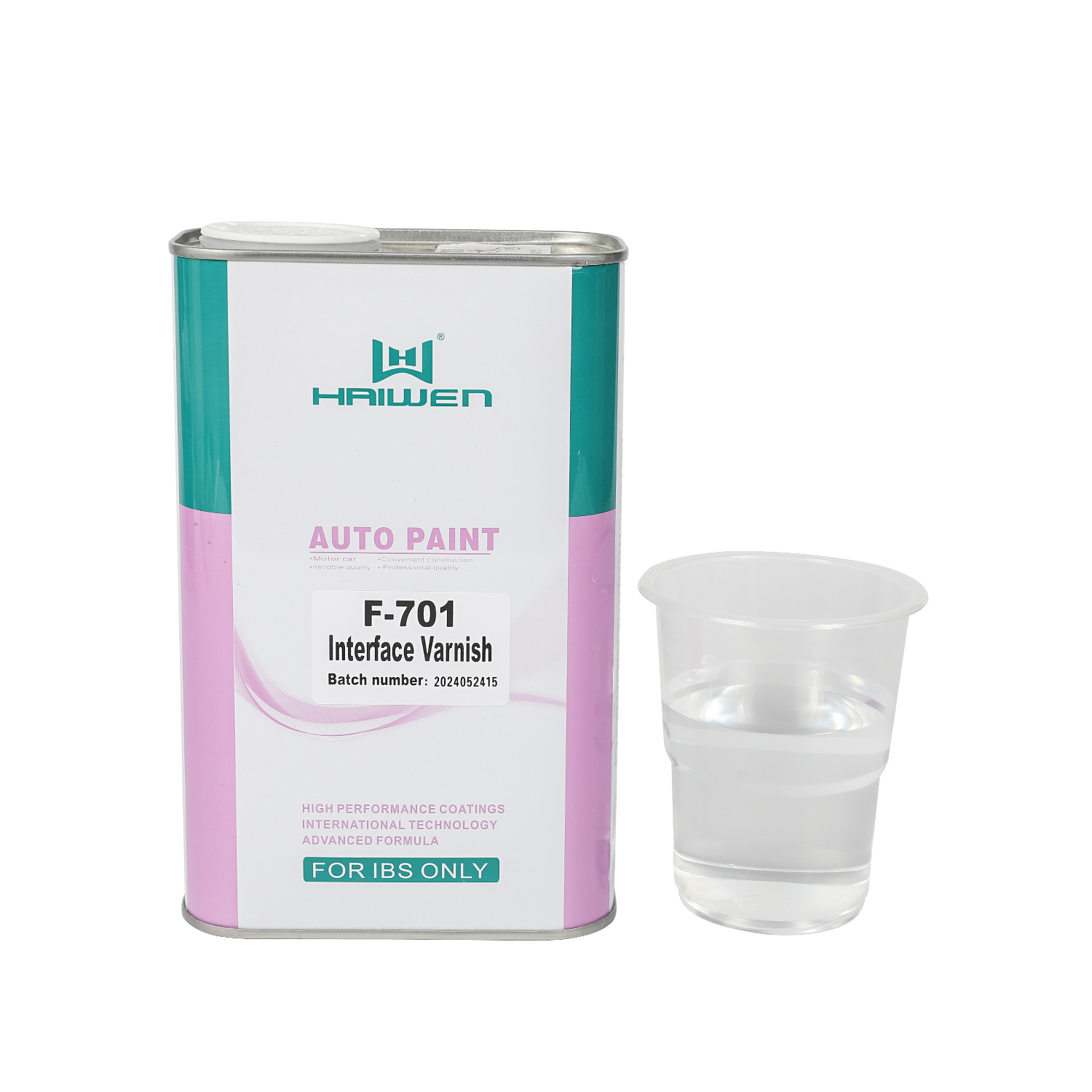
Automotive and industrial clear coat applications require meticulous maintenance to preserve their protective properties and aesthetic appeal. Clear coat serves as the final barrier against environmental contaminants, UV radiation, and physical damage, making proper care essential for long-term durability. Understanding the factors that contribute to yellowing and peeling helps professionals and enthusiasts develop effective maintenance strategies that extend the lifespan of clear coat finishes.
The degradation of clear coat typically manifests through distinct visual indicators that signal the need for intervention. Yellowing occurs when UV exposure breaks down the chemical bonds within the coating, while peeling results from adhesion failure between layers or substrate incompatibility. Professional-grade maintenance protocols focus on prevention rather than remediation, emphasizing regular inspection and proactive care measures.
Understanding Clear Coat Degradation Mechanisms
UV-Induced Photodegradation Process
Ultraviolet radiation represents the primary threat to clear coat integrity, initiating complex photochemical reactions that compromise molecular structure. The degradation process begins when UV photons penetrate the coating surface, exciting polymer chains and creating free radicals that propagate damage throughout the film thickness. Modern clear coat formulations incorporate UV stabilizers and absorbers to mitigate this process, but prolonged exposure eventually overwhelms these protective mechanisms.
Temperature fluctuations accelerate photodegradation by increasing molecular mobility and reaction rates within the coating matrix. High-temperature environments cause thermal expansion that creates micro-cracks, providing pathways for UV penetration and moisture ingress. Professional maintenance protocols emphasize controlled storage conditions and regular application of UV-blocking treatments to minimize photodegradation risks.
Chemical Contamination Effects
Environmental contaminants pose significant threats to clear coat performance through chemical interaction and physical deposition. Acid rain, industrial pollutants, and organic compounds can chemically etch the coating surface, creating microscopic defects that accelerate degradation processes. Salt spray in marine environments promotes electrochemical reactions that compromise adhesion between clear coat layers and underlying substrates.
Tree sap, bird droppings, and insect residues contain organic acids that penetrate the coating matrix, causing localized softening and discoloration. Immediate removal of such contaminants prevents permanent damage, while delayed response often results in irreversible staining or chemical burns. Professional maintenance includes regular contamination assessment and specialized removal techniques tailored to specific contaminant types.
Preventive Maintenance Strategies
Regular Inspection and Assessment
Systematic clear coat inspection forms the foundation of effective maintenance programs, enabling early detection of degradation indicators before significant damage occurs. Visual assessment should focus on color uniformity, surface texture, and adhesion integrity across all coated surfaces. Professional-grade inspection protocols utilize calibrated lighting conditions and standardized evaluation criteria to ensure consistent results.
Gloss measurement provides quantitative data regarding clear coat condition, with declining values indicating surface roughening or contamination buildup. Advanced inspection techniques include cross-hatch adhesion testing and pull-off strength evaluation to assess mechanical properties. Documentation of inspection results enables trend analysis and predictive maintenance scheduling based on observed degradation rates.
Environmental Protection Measures
Strategic environmental control significantly extends clear coat service life by limiting exposure to degradation factors. Covered storage facilities provide optimal protection against UV radiation, temperature extremes, and precipitation. When outdoor storage is unavoidable, strategic positioning relative to prevailing wind patterns and solar orientation minimizes exposure intensity.
Temporary protective measures include specialized covers, wax applications, and sacrificial barrier films that absorb environmental damage while preserving the underlying clear coat. These protective systems require regular renewal and careful application to avoid trapping moisture or contaminants against the coating surface. Professional maintenance schedules incorporate seasonal protection protocols tailored to regional climate conditions.
Cleaning and Decontamination Protocols
Surface Preparation Techniques
Proper surface preparation ensures effective cleaning while minimizing mechanical damage to clear coat surfaces. Initial assessment determines appropriate cleaning methodology based on contamination type, severity, and substrate sensitivity. Pre-cleaning steps include loose debris removal and surface temperature optimization to enhance cleaning agent effectiveness.
Clay bar decontamination removes embedded particles that standard washing cannot address, restoring smooth surface texture essential for optimal clear coat performance. Professional-grade clay compounds incorporate specific hardness ratings matched to coating sensitivity, preventing micro-scratching during contamination removal. Sequential decontamination steps progress from least aggressive to more intensive methods based on surface response.
Chemical Cleaning Solutions
Specialized cleaning formulations target specific contaminant types while maintaining clear coat compatibility through carefully balanced pH levels and surfactant systems. Alkaline cleaners effectively remove organic contamination, while acidic solutions address mineral deposits and oxidation products. Professional cleaning protocols specify dilution ratios, contact times, and application temperatures to optimize effectiveness while preventing damage.
Solvent-based cleaners provide enhanced penetration for stubborn contaminants but require careful application to avoid clear coat softening or swelling. Compatibility testing on inconspicuous areas validates cleaning agent suitability before full-scale application. Neutralization and thorough rinsing procedures ensure complete chemical removal, preventing residual contamination that could accelerate future degradation.
Protective Treatment Applications
Wax and Sealant Systems
High-quality wax formulations provide temporary sacrificial protection against environmental contaminants while enhancing clear coat appearance through optical properties. Carnauba-based waxes offer superior depth and warmth, while synthetic polymer sealants deliver extended durability and chemical resistance. Professional application techniques ensure uniform coverage and optimal bonding to clear coat surfaces.
Layered protection systems combine multiple product types to achieve comprehensive coverage across various threat categories. Base sealant layers provide long-term protection, while top wax coats offer enhanced gloss and water beading properties. Application timing and surface temperature control optimize product performance and longevity, requiring specific environmental conditions for proper curing.
Advanced Protective Coatings
Ceramic coating technologies represent the latest advancement in clear coat protection, offering semi-permanent barriers with exceptional chemical and thermal resistance. These nano-structured coatings form covalent bonds with clear coat surfaces, creating integrated protection that withstands aggressive cleaning and environmental exposure. Professional application requires specialized equipment and controlled environments to achieve optimal results.
Paint protection films provide physical barriers against impact damage, stone chips, and abrasion while maintaining optical clarity. Advanced film technologies incorporate self-healing properties that eliminate minor scratches through thermal activation. Installation requires precise cutting and application techniques to avoid edge lifting and contamination entrapment beneath film surfaces.
Restoration and Repair Techniques
Minor Defect Correction
Early-stage clear coat defects often respond to polishing compounds that level surface irregularities and restore optical clarity. Progressive abrasive systems begin with fine compounds and advance to ultra-fine polishes based on defect severity and surface response. Machine polishing techniques provide consistent results while minimizing heat buildup that could damage clear coat integrity.
Spot repair procedures address localized damage without affecting surrounding clear coat areas through careful masking and feathering techniques. Color matching becomes critical when clear coat tinting affects overall appearance, requiring spectrophotometer analysis and custom formulation. Professional spot repair maintains seamless integration with existing finishes through proper surface preparation and application methods.
Complete Clear Coat Renewal
Severely degraded clear coat requires complete removal and reapplication to restore protective properties and appearance standards. Surface preparation involves careful abrading to remove all degraded material while preserving base coat integrity. Primer compatibility assessment ensures proper adhesion between new clear coat layers and existing substrate materials.
Modern clear coat formulations incorporate advanced resin technologies that provide enhanced durability and environmental resistance compared to previous generations. Application parameters including film thickness, flash times, and curing schedules require precise control to achieve optimal performance characteristics. Quality assurance testing validates adhesion, hardness, and optical properties before service exposure.
Professional Maintenance Scheduling
Frequency Determination Factors
Optimal maintenance frequency depends on multiple variables including environmental exposure, usage patterns, and performance requirements. High-exposure applications such as marine or industrial environments necessitate more frequent maintenance intervals compared to controlled indoor conditions. Usage intensity affects contamination accumulation rates and mechanical wear patterns that influence maintenance timing.
Economic considerations balance maintenance costs against clear coat replacement expenses, with preventive programs typically providing favorable return on investment. Performance monitoring data enables maintenance optimization through statistical analysis of degradation trends and intervention effectiveness. Seasonal maintenance scheduling aligns with environmental condition changes and facility availability.
Documentation and Record Keeping
Comprehensive maintenance records enable trend analysis and predictive scheduling while providing valuable data for warranty and insurance purposes. Digital documentation systems capture inspection results, treatment applications, and performance metrics in searchable formats. Photographic records document condition changes over time, supporting maintenance decision-making and quality assurance processes.
Maintenance cost tracking identifies optimization opportunities and validates program effectiveness through quantitative analysis. Standardized reporting formats facilitate communication between maintenance personnel and management while ensuring consistency across multiple facilities or vehicle fleets. Regular program reviews incorporate lessons learned and industry best practices into updated protocols.
FAQ
How often should clear coat be inspected for signs of degradation
Professional clear coat inspection should occur monthly for high-exposure applications and quarterly for protected environments. Visual assessment focuses on color changes, surface texture variations, and adhesion integrity. Advanced inspection techniques including gloss measurement and cross-hatch testing provide quantitative data for condition assessment and maintenance scheduling.
What environmental factors most significantly impact clear coat longevity
Ultraviolet radiation represents the primary degradation factor, followed by temperature extremes and chemical contamination. Marine environments accelerate degradation through salt spray exposure, while industrial areas pose risks from airborne pollutants and acid rain. Controlled storage and strategic protection measures significantly extend clear coat service life across all environmental conditions.
Can yellowed clear coat be restored to original appearance
Minor yellowing may respond to polishing compounds and UV-blocking treatments, but severe photodegradation typically requires complete clear coat removal and reapplication. Early intervention provides the best restoration outcomes, emphasizing the importance of regular inspection and preventive maintenance protocols. Professional assessment determines the most appropriate restoration approach based on degradation severity and performance requirements.
What are the most effective products for clear coat protection
High-quality carnauba waxes provide excellent short-term protection with superior optical properties, while synthetic sealants offer extended durability and chemical resistance. Ceramic coatings represent advanced protection technology with semi-permanent bonding and exceptional environmental resistance. Product selection depends on specific application requirements, maintenance capabilities, and performance expectations for the clear coat system.
