
 EN
EN
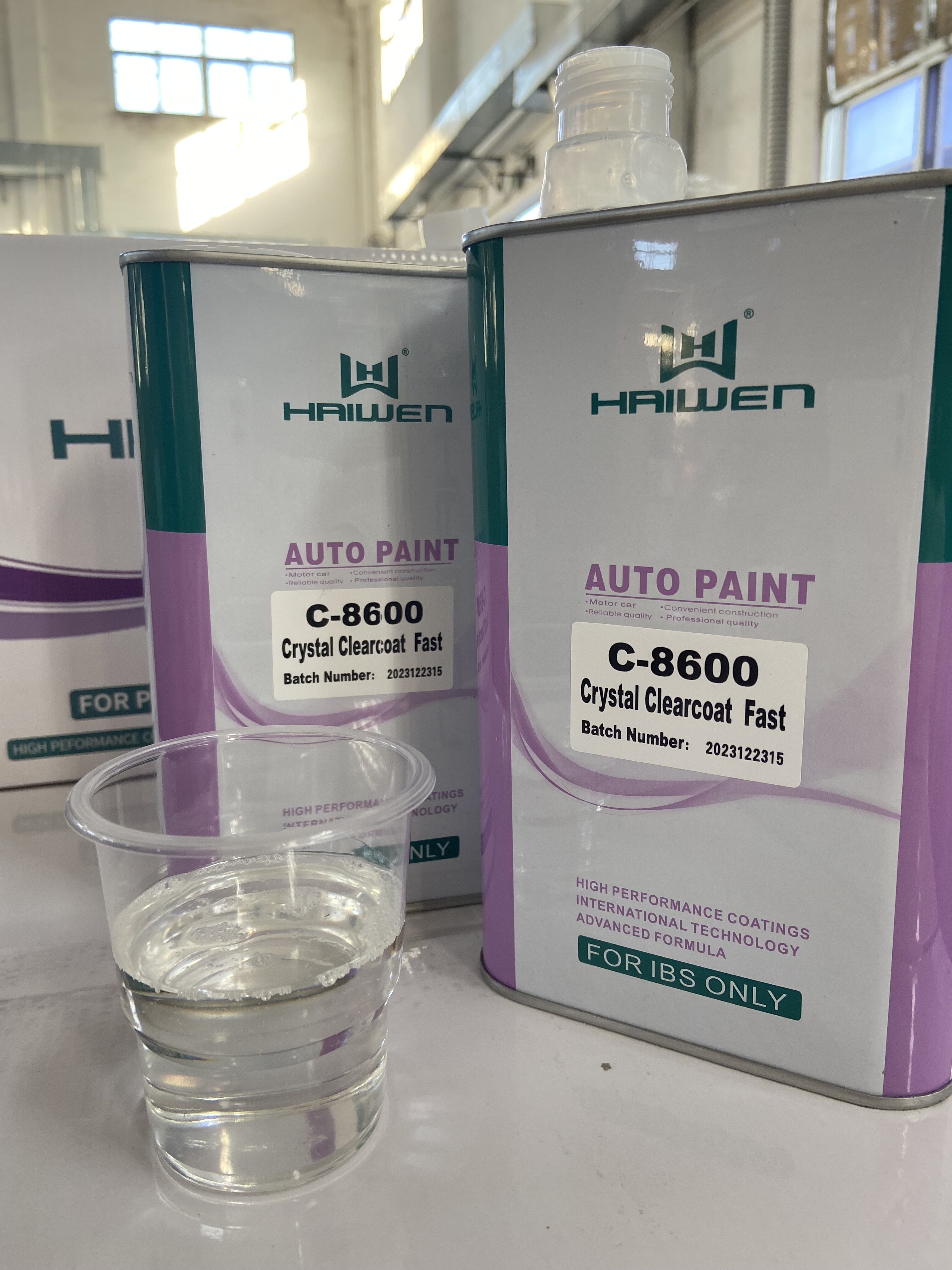
Auto body shops consistently recommend clear coat applications as the final layer in automotive paint systems, and this recommendation stems from decades of proven performance in protecting vehicle finishes. Modern clear coat technology has revolutionized how paint jobs maintain their appearance and durability over time, making it an essential component rather than an optional upgrade. Understanding why professionals prioritize this transparent protective layer reveals the science behind long-lasting automotive finishes and helps vehicle owners make informed decisions about their paint protection investments.
The Science Behind Clear Coat Protection
UV Radiation Defense Mechanisms
Clear coat formulations incorporate advanced UV stabilizers and absorbers that create an invisible barrier against harmful solar radiation. These protective compounds prevent ultraviolet rays from penetrating deeper into the color coat layers, where they would otherwise cause molecular breakdown and pigment degradation. Professional-grade clear coat systems maintain their transparency while sacrificing themselves to preserve the underlying paint, much like sunscreen protects human skin from damage.
The molecular structure of modern clear coat includes specialized polymers that maintain flexibility while resisting oxidation caused by UV exposure. This engineering approach allows the protective layer to expand and contract with temperature changes without cracking, ensuring continuous protection throughout various weather conditions. Auto body shops recognize that without this UV protection, even the highest quality base coat colors would fade within months of exposure.
Chemical Resistance Properties
Professional clear coat applications provide exceptional resistance to environmental contaminants that regularly assault vehicle surfaces. Road salt, bird droppings, tree sap, and industrial pollutants contain aggressive chemicals that can permanently stain or etch unprotected paint surfaces. The chemically inert nature of quality clear coat creates a sacrificial barrier that prevents these contaminants from reaching the vulnerable color layers beneath.
Modern clear coat formulations also resist damage from automotive cleaning products and detailing chemicals that might otherwise compromise paint integrity. This chemical stability allows vehicle owners to maintain their paint through regular washing and detailing without fear of degrading the finish quality. Auto body professionals understand that this chemical resistance extends the service life of paint jobs significantly compared to older single-stage paint systems.
Durability Advantages in Real-World Conditions
Scratch and Abrasion Resistance
The hardness characteristics of properly applied clear coat provide superior resistance to minor scratches and surface abrasions that occur during normal vehicle use. Parking lot dings, car wash brushes, and everyday handling create microscopic damage that remains confined to the clear coat layer rather than penetrating to the expensive color coat below. This protective function allows many minor surface imperfections to be polished out without requiring complete paint refinishing.
Professional-grade clear coat systems develop exceptional surface hardness through proper curing processes, creating a durable shell that maintains its protective properties for years. The thickness and consistency of professional applications ensure uniform protection across all painted surfaces, eliminating weak spots where premature wear might occur. This comprehensive coverage explains why auto body shops insist on complete clear coat coverage rather than spot applications.
Weather Resistance Performance
Clear coat technology excels in protecting automotive finishes from extreme weather conditions that would quickly degrade unprotected paint systems. Temperature fluctuations, humidity changes, and precipitation all contribute to paint deterioration, but quality clear coat maintains its protective barrier through these environmental challenges. The flexible polymer structure adapts to thermal expansion and contraction without compromising adhesion or developing stress cracks.
Acid rain and atmospheric pollutants pose significant threats to automotive paint in many geographic regions, but clear coat neutralizes these acidic attacks before they can cause permanent damage. The smooth, non-porous surface of cured clear coat also facilitates easy removal of environmental contaminants through regular maintenance washing. Auto body shops in areas with harsh environmental conditions particularly emphasize clear coat protection as essential for maintaining paint quality over time.
Application Techniques and Professional Standards
Surface Preparation Requirements
Professional clear coat applications begin with meticulous surface preparation that ensures optimal adhesion and long-term performance. Auto body technicians understand that contamination, improper sanding, or inadequate cleaning can compromise the entire clear coat system, leading to premature failure or adhesion problems. The preparation process includes specific steps for decontamination, surface profiling, and final cleaning that create ideal conditions for clear coat bonding.
Temperature and humidity control during application significantly impacts clear coat performance and appearance quality. Professional shops maintain controlled environments that optimize curing conditions while preventing contamination from dust, moisture, or other airborne particles. These environmental controls ensure that clear coat develops its maximum protective properties and achieves the smooth, glossy finish that customers expect from professional work.
Multi-Layer System Benefits
Modern clear coat applications typically involve multiple thin layers rather than single thick applications, allowing each layer to cure properly and develop maximum adhesion to the layer beneath. This technique creates a robust protective system that maintains flexibility while building substantial thickness for long-term durability. Professional applicators understand the timing and technique required for successful multi-layer clear coat systems.
The interface between base coat and clear coat requires specific attention to ensure proper chemical bonding and prevent delamination over time. Professional-grade products include compatible chemistries that promote strong interlayer adhesion while maintaining the distinct properties of each layer. This systematic approach explains why auto body shops invest in complete product systems rather than mixing components from different manufacturers.
Economic Benefits of Clear Coat Investment
Long-Term Cost Analysis
The initial investment in professional clear coat application pays substantial dividends through extended paint life and reduced maintenance requirements over the vehicle's service life. Vehicles with quality clear coat protection maintain their appearance and value significantly longer than those with single-stage paint systems or inadequate protection. This economic advantage becomes particularly apparent when comparing resale values of well-maintained vehicles with properly protected paint systems.
Maintenance costs decrease substantially when clear coat protection prevents the need for frequent touch-up work or premature repainting. The ability to polish out minor scratches and restore gloss through simple detailing procedures eliminates many expensive repair scenarios that would otherwise require professional intervention. Auto body shops recognize that educating customers about these long-term economic benefits helps justify the initial clear coat investment.
Vehicle Value Preservation
Automotive paint condition significantly impacts vehicle resale value, and clear coat protection plays a crucial role in maintaining the like-new appearance that buyers seek in used vehicles. Faded, scratched, or oxidized paint immediately signals neglect to potential buyers, while well-maintained clear coat finishes suggest careful ownership and proper maintenance practices. This visual impact translates directly into higher resale values and faster sale times.
Professional clear coat applications also enable successful paint correction procedures that can restore aged finishes to near-original condition. The thickness and durability of quality clear coat allow skilled detailers to remove years of accumulated damage through polishing and compounding techniques. This restoration potential adds significant value to vehicles that might otherwise require complete repainting to achieve acceptable appearance standards.
Industry Standards and Quality Considerations
Professional Product Selection
Auto body shops select clear coat products based on proven performance characteristics, compatibility with existing paint systems, and manufacturer support for technical issues. Professional-grade clear coat formulations undergo extensive testing for durability, application characteristics, and long-term stability that consumer products rarely match. These performance standards ensure consistent results and reliable protection that justifies professional application costs.
The relationship between clear coat chemistry and application equipment requires professional expertise to optimize results and prevent application problems. Spray gun selection, pressure settings, and environmental controls all influence final clear coat performance and appearance quality. Professional shops invest in proper equipment and training to ensure that clear coat applications meet or exceed manufacturer specifications for coverage and thickness.
Quality Control Processes
Professional clear coat applications include multiple quality control checkpoints that verify proper coverage, thickness, and curing before final delivery to customers. These inspection procedures identify potential problems while correction remains possible, preventing customer dissatisfaction and warranty claims. The systematic approach to quality control distinguishes professional clear coat work from amateur applications that may appear acceptable initially but fail prematurely.
Documentation and warranty support for professional clear coat applications provide customers with confidence in their investment and recourse if performance problems develop. Reputable auto body shops maintain detailed records of products used, application conditions, and curing procedures that support warranty claims and enable problem diagnosis if issues arise. This professional accountability explains why serious vehicle owners choose professional clear coat applications despite higher initial costs.
FAQ
How long does professional clear coat protection typically last on vehicles?
Professional-grade clear coat applications typically provide effective protection for 5-10 years under normal use conditions, though this varies significantly based on environmental exposure, maintenance practices, and initial application quality. Vehicles in harsh climates or heavy use situations may require clear coat renewal sooner, while garage-kept vehicles with regular maintenance often exceed these timeframes. The key factors affecting longevity include UV exposure, chemical contamination, and mechanical abrasion from washing and handling.
Can clear coat be applied over existing paint without complete refinishing?
Clear coat can be successfully applied over existing paint systems provided the surface is properly prepared and compatible with the new clear coat chemistry. However, the existing paint must be in good condition without oxidation, contamination, or adhesion problems that would compromise the new clear coat application. Professional assessment is essential to determine whether existing paint can support new clear coat or requires complete removal and refinishing for optimal results.
What maintenance practices help maximize clear coat performance and longevity?
Regular washing with appropriate automotive detergents removes contaminants before they can cause permanent damage, while avoiding automatic car washes with aggressive brushes prevents unnecessary abrasion. Periodic application of quality automotive wax or sealant provides additional protection and makes contaminant removal easier during routine cleaning. Professional polishing every few years can remove minor scratches and restore gloss while extending clear coat service life significantly.
Why do some clear coat applications fail prematurely or develop problems?
Common clear coat failures result from inadequate surface preparation, contamination during application, improper mixing ratios, or inappropriate environmental conditions during curing. Using incompatible products or attempting application without proper equipment and expertise frequently leads to adhesion problems, orange peel texture, or premature degradation. Professional application with quality products and proper techniques virtually eliminates these failure modes while ensuring maximum protection and longevity.
Table of Contents
- The Science Behind Clear Coat Protection
- Durability Advantages in Real-World Conditions
- Application Techniques and Professional Standards
- Economic Benefits of Clear Coat Investment
- Industry Standards and Quality Considerations
-
FAQ
- How long does professional clear coat protection typically last on vehicles?
- Can clear coat be applied over existing paint without complete refinishing?
- What maintenance practices help maximize clear coat performance and longevity?
- Why do some clear coat applications fail prematurely or develop problems?
