
 EN
EN
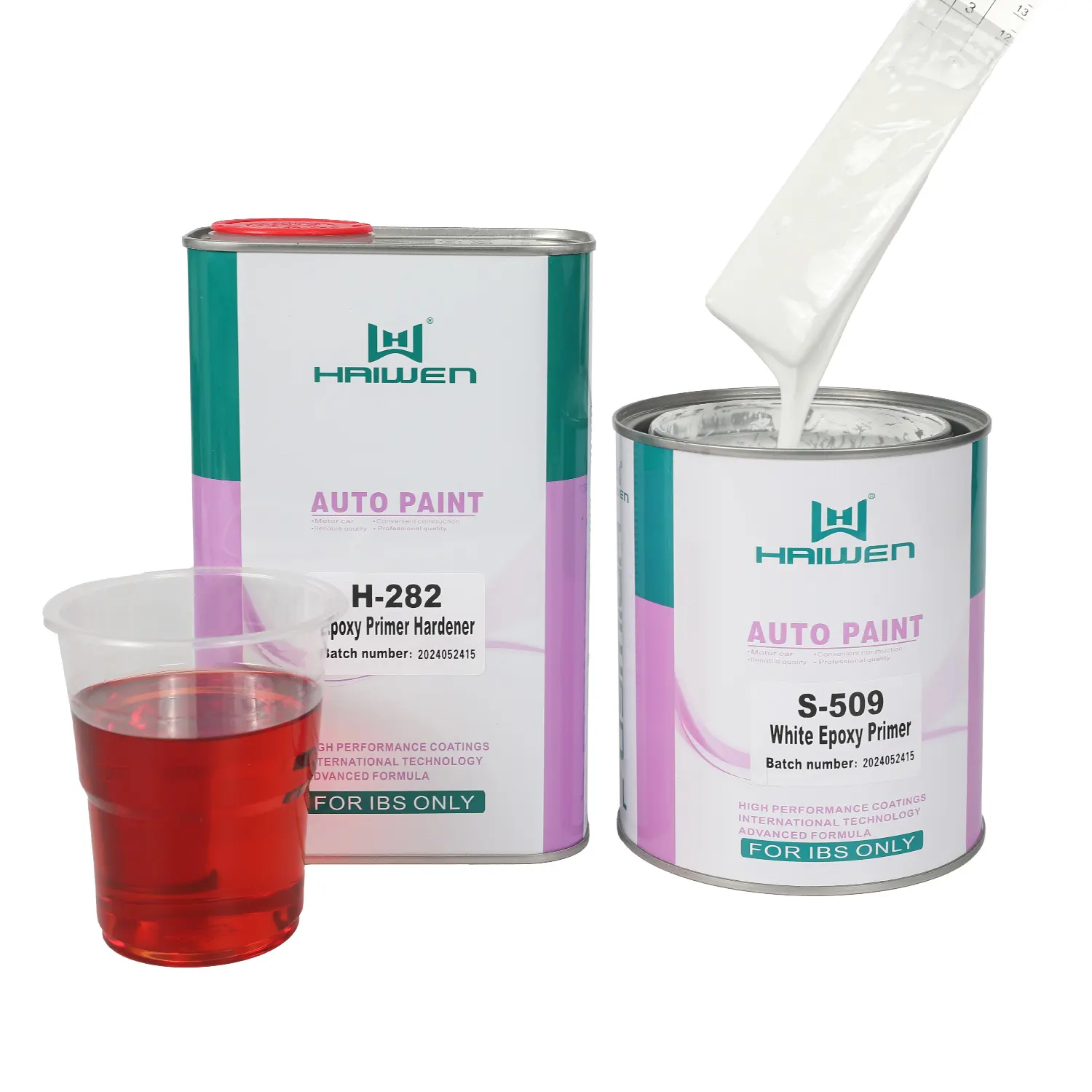
Automotive refinishing professionals and car enthusiasts understand that proper surface preparation forms the foundation of any successful paint job. When it comes to protecting metal surfaces from corrosion while ensuring optimal paint adhesion, 2K epoxy primer stands as the industry standard for professional-grade results. This advanced coating system delivers exceptional rust prevention capabilities while creating an ideal bonding surface for subsequent topcoat applications.
The automotive coating industry has evolved significantly over decades of technological advancement, with modern primer systems offering superior protection compared to traditional single-component alternatives. Understanding the science behind 2K epoxy primer technology enables professionals to make informed decisions about surface preparation and coating selection for various automotive applications.
Understanding 2K Epoxy Primer Technology
Chemical Composition and Cross-Linking Process
The term "2K" refers to the two-component nature of this primer system, consisting of a base resin and a separate hardener that must be mixed before application. When these components combine, they initiate a chemical cross-linking process that creates an incredibly durable and chemically resistant coating. This cross-linking reaction forms strong molecular bonds that provide superior adhesion to metal substrates while creating a barrier against moisture and oxygen penetration.
Epoxy resins used in automotive primers contain reactive groups that bond directly with metal surfaces through both mechanical and chemical adhesion mechanisms. This dual-bonding approach ensures that the 2K epoxy primer creates an intimate connection with the substrate, preventing moisture infiltration that could lead to under-film corrosion. The hardener component typically contains polyamide or polyamine compounds that facilitate the curing process and contribute to the final coating's chemical resistance properties.
Superior Performance Characteristics
Professional-grade 2K epoxy primer systems exhibit exceptional performance characteristics that distinguish them from conventional primer products. These advanced formulations demonstrate outstanding adhesion to various metal substrates, including steel, aluminum, and galvanized surfaces commonly found in automotive construction. The cross-linked polymer matrix provides excellent chemical resistance against automotive fluids, road salt, and environmental contaminants that can compromise coating integrity.
Temperature resistance represents another critical advantage of 2K epoxy primer technology, as properly cured coatings maintain their protective properties across wide temperature ranges encountered in automotive service conditions. This thermal stability prevents coating degradation during engine operation or extreme weather exposure, ensuring long-term protection for critical automotive components.
Rust Prevention Mechanisms
Barrier Protection Properties
The primary rust prevention mechanism of 2K epoxy primer involves creating an impermeable barrier between the metal substrate and corrosive elements in the environment. The cross-linked polymer structure forms a dense molecular network that effectively blocks moisture, oxygen, and ionic species from reaching the metal surface. This barrier protection approach prevents the electrochemical reactions necessary for rust formation, maintaining substrate integrity over extended service periods.
Modern 2K epoxy primer formulations often incorporate specialized additives that enhance barrier properties while maintaining application characteristics. These additives may include platelet-shaped particles that create a tortuous path for moisture penetration, further improving the coating's protective capabilities without compromising adhesion or flexibility.
Active Corrosion Inhibition
Beyond barrier protection, many 2K epoxy primer systems incorporate active corrosion inhibitors that provide additional rust prevention through chemical mechanisms. Zinc-rich formulations release zinc ions that provide cathodic protection to steel substrates, effectively sacrificing zinc particles to prevent iron oxidation. This galvanic protection mechanism continues to function even if the coating experiences minor damage, providing self-healing properties that extend substrate protection.
Phosphate-based corrosion inhibitors represent another approach used in advanced 2K epoxy primer formulations, creating passivating layers on metal surfaces that resist corrosion initiation. These chemical inhibitors migrate to areas of potential corrosion activity, neutralizing aggressive species and maintaining protective conditions at the coating-substrate interface.
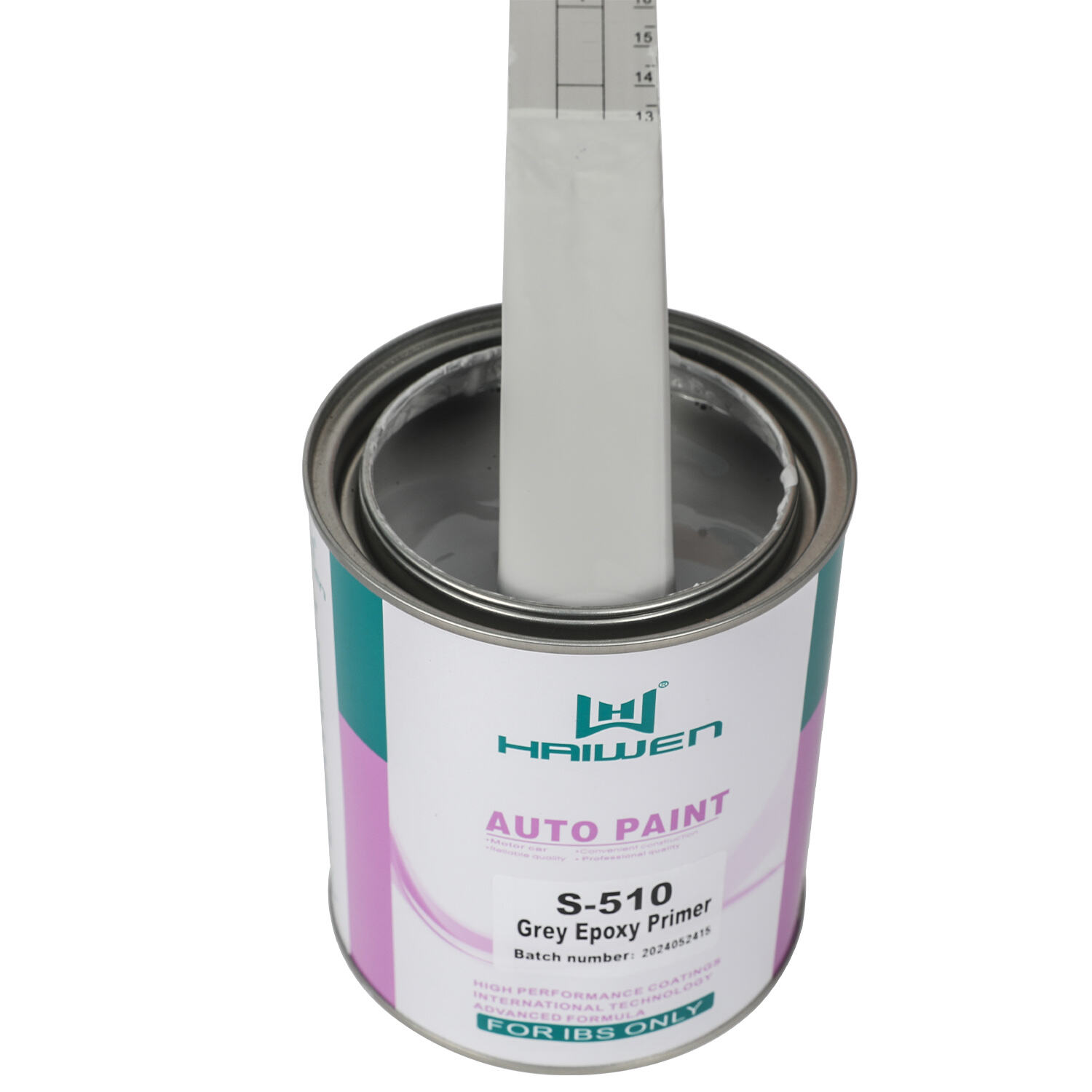
Application Techniques and Best Practices
Surface Preparation Requirements
Successful 2K epoxy primer application begins with thorough surface preparation that removes all contaminants and creates an appropriate surface profile for optimal adhesion. Metal substrates must be cleaned of oils, grease, and loose debris before mechanical or chemical treatment to establish the proper surface conditions. Abrasive blasting or chemical etching creates microscopic surface irregularities that enhance mechanical bonding between the primer and substrate.
Environmental conditions during surface preparation significantly impact the final coating performance, as moisture contamination or temperature extremes can interfere with proper adhesion development. Professional applicators maintain controlled conditions during preparation and application phases to ensure consistent results and maximize the protective benefits of 2K epoxy primer systems.
Mixing and Application Parameters
Proper mixing represents a critical factor in achieving optimal performance from 2K epoxy primer systems, as incorrect ratios or inadequate mixing can result in poor curing and reduced protective properties. Manufacturers provide specific mixing ratios and procedures that must be followed precisely to ensure complete cross-linking and maximum coating performance. Digital scales and measuring devices help maintain accuracy during the mixing process.
Application parameters including spray pressure, tip size, and film thickness directly influence the final coating quality and protective performance. Professional applicators use calibrated spray equipment and wet film thickness gauges to maintain consistent application parameters throughout the coating process. Multiple thin coats typically provide better results than single thick applications, allowing proper solvent release and uniform curing.
Compatibility with Automotive Paint Systems
Topcoat Adhesion and System Integration
The 2K epoxy primer serves as an intermediate layer that promotes adhesion between the metal substrate and subsequent topcoat applications in multi-layer automotive paint systems. The cured epoxy surface provides an ideal substrate for basecoat and clearcoat adhesion, creating strong intercoat bonds that prevent delamination under service conditions. This system integration approach ensures that all coating layers work together to provide comprehensive protection and appearance characteristics.
Compatibility testing between 2K epoxy primer and topcoat systems helps identify potential interaction issues before full-scale application, preventing costly failures in production environments. Professional coating suppliers provide compatibility charts and application guidelines that specify appropriate topcoat systems for use over specific primer formulations.
Color Enhancement and Uniformity
Specialized 2K epoxy primer formulations incorporate colored pigments that enhance the appearance and coverage characteristics of subsequent topcoat applications. Zinc chromate yellow and other traditional primer colors provide high opacity that helps achieve uniform color development in the final paint system. These colored primers also serve as indicators for coating thickness uniformity, allowing applicators to visually assess coverage during the spraying process.
Modern primer technology includes formulations specifically designed to enhance metallic and pearl topcoat appearances, providing neutral undertones that prevent color shifting while maintaining excellent protective properties. These specialized systems demonstrate the evolution of 2K epoxy primer technology from purely functional coatings to integrated system components that contribute to both protection and appearance objectives.
Industrial Applications and Performance Standards
Automotive Manufacturing Requirements
Original equipment manufacturers rely on 2K epoxy primer systems to meet stringent corrosion protection requirements specified in automotive industry standards. These standards define minimum performance criteria for salt spray resistance, adhesion, and durability that primer systems must achieve to qualify for production use. Testing protocols evaluate coating performance under accelerated aging conditions that simulate years of service exposure in condensed timeframes.
Quality control procedures in automotive manufacturing environments include regular monitoring of 2K epoxy primer application parameters and performance characteristics to ensure consistent protection levels across production volumes. Automated application systems maintain precise control over mixing ratios, application thickness, and curing conditions to achieve repeatable results that meet or exceed specification requirements.
Aftermarket and Restoration Applications
Automotive restoration professionals utilize 2K epoxy primer systems to achieve factory-quality corrosion protection when refinishing classic and vintage vehicles. These applications often involve challenging substrate conditions including mixed metal types, existing coating removal, and irregular surface geometries that demand superior primer performance characteristics. The versatility of modern epoxy primer formulations enables successful application across diverse restoration scenarios.
Collision repair facilities depend on 2K epoxy primer systems to provide long-term protection for repaired panels and components, ensuring that refinished areas achieve service life comparable to original factory coatings. Insurance companies and vehicle owners expect restoration work to maintain vehicle value and appearance over extended periods, making primer selection a critical factor in repair quality and customer satisfaction.
FAQ
What makes 2K epoxy primer more effective than single-component primers
The two-component formulation of 2K epoxy primer creates superior cross-linking density compared to single-component alternatives, resulting in enhanced chemical resistance, adhesion, and barrier properties. The chemical reaction between base and hardener components forms a three-dimensional polymer network that provides exceptional durability and corrosion protection performance that single-component systems cannot match.
How long should 2K epoxy primer cure before applying topcoats
Proper curing time for 2K epoxy primer depends on temperature, humidity, and film thickness conditions, typically ranging from 4 to 24 hours for complete hardening. Most formulations achieve sufficient hardness for topcoat application within 8-12 hours at room temperature, though manufacturers provide specific recoat windows that ensure optimal intercoat adhesion while preventing over-curing that could compromise bonding.
Can 2K epoxy primer be applied over existing paint or must surfaces be stripped to bare metal
While 2K epoxy primer can adhere to properly prepared existing coatings, maximum corrosion protection requires application directly to clean metal surfaces. Existing paint must be thoroughly cleaned, sanded, and tested for adhesion before primer application, as poor substrate preparation can compromise the entire coating system performance regardless of primer quality.
What safety precautions are necessary when working with 2K epoxy primer systems
Two-component epoxy primers contain isocyanate hardeners that require respiratory protection, skin protection, and adequate ventilation during mixing and application. Professional applicators must use supplied-air respirators or appropriate cartridge respirators, chemical-resistant gloves, and protective clothing to prevent exposure to potentially harmful vapors and direct skin contact with uncured coating materials.
Table of Contents
- Understanding 2K Epoxy Primer Technology
- Rust Prevention Mechanisms
- Application Techniques and Best Practices
- Compatibility with Automotive Paint Systems
- Industrial Applications and Performance Standards
-
FAQ
- What makes 2K epoxy primer more effective than single-component primers
- How long should 2K epoxy primer cure before applying topcoats
- Can 2K epoxy primer be applied over existing paint or must surfaces be stripped to bare metal
- What safety precautions are necessary when working with 2K epoxy primer systems
