
 EN
EN
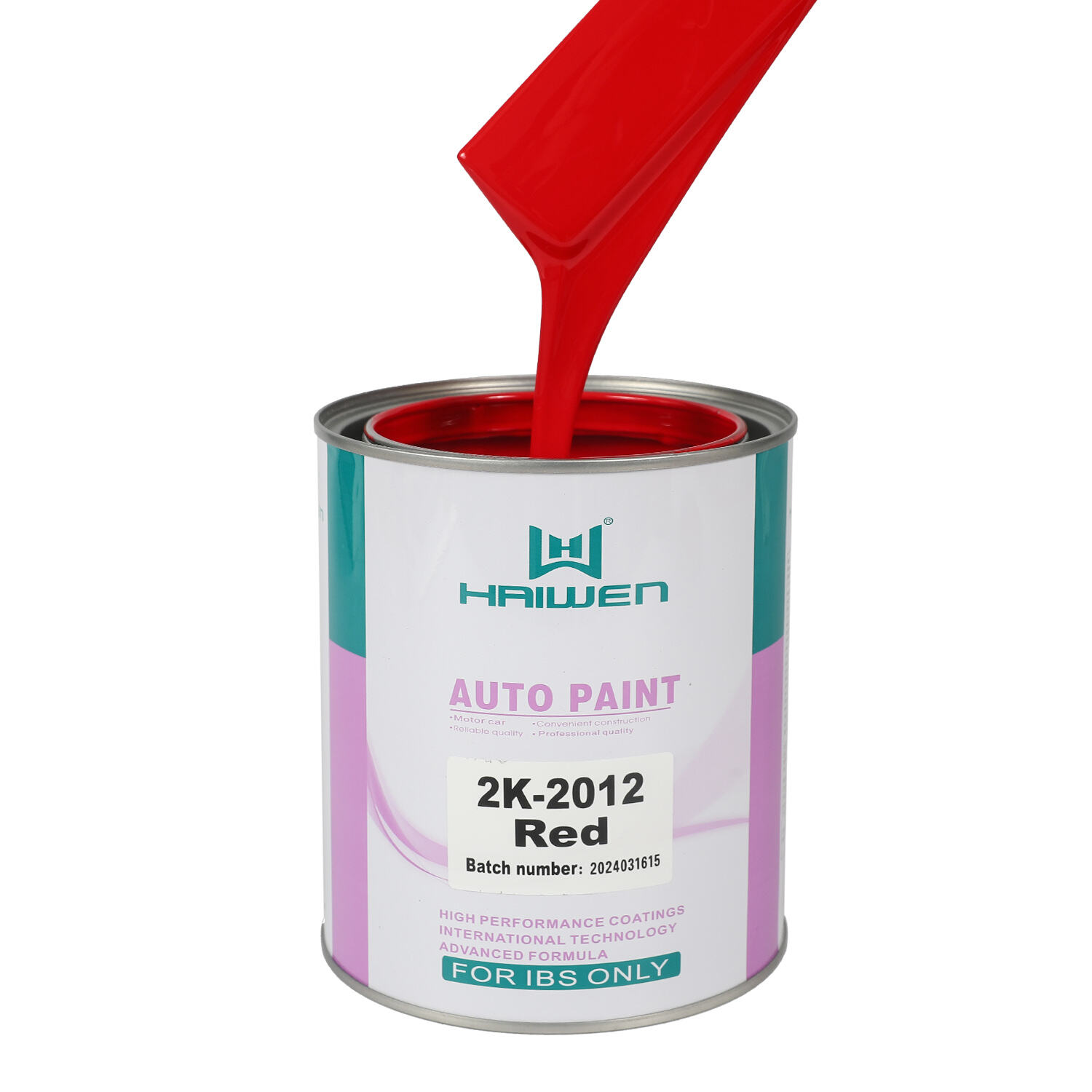
Automotive paint protection has evolved significantly over the decades, with 2K surface primer emerging as a cornerstone technology for professional and enthusiast painters alike. This advanced primer system delivers exceptional adhesion, corrosion resistance, and surface preparation capabilities that form the foundation of any high-quality paint job. Understanding how 2K surface primer works and its long-term protective benefits can help vehicle owners and professionals make informed decisions about their automotive finishing projects.
Understanding the Chemistry Behind 2K Surface Primer Technology
Two-Component Polyurethane Foundation
The 2K surface primer system derives its name from its two-component structure, consisting of a base resin and a hardener catalyst that chemically crosslink when mixed. This polyurethane-based formulation creates a dense, interconnected molecular network that provides superior mechanical properties compared to single-component primers. The crosslinking reaction produces a coating that exhibits excellent chemical resistance, flexibility, and durability under various environmental conditions.
When properly catalyzed, 2K surface primer forms covalent bonds between polymer chains, resulting in a three-dimensional matrix that cannot be redissolved or softened by solvents. This irreversible curing process distinguishes it from thermoplastic coatings and contributes to its exceptional longevity. The chemical structure also provides excellent adhesion to both bare metal substrates and existing paint films, making it versatile for restoration and refinishing applications.
Advanced Corrosion Inhibition Properties
Modern 2K surface primer formulations incorporate sophisticated corrosion inhibitors that actively protect metal substrates from oxidation and galvanic corrosion. These inhibitors work through multiple mechanisms, including barrier protection, cathodic protection, and active corrosion suppression. Zinc-rich variants provide galvanic protection by sacrificing zinc particles to protect the underlying steel substrate from corrosion initiation.
The primer's dense film structure creates an effective moisture barrier that prevents water and oxygen from reaching the metal surface. Additionally, specialized additives can neutralize corrosive agents and maintain protective properties even when the coating experiences minor mechanical damage. This multi-layered approach to corrosion prevention ensures long-term substrate protection under challenging environmental conditions.
Surface Preparation and Adhesion Enhancement
Substrate Compatibility and Bonding Mechanisms
Effective 2K surface primer application begins with proper substrate preparation to maximize adhesion and performance. The primer system is designed to bond effectively with various automotive substrates, including steel, aluminum, galvanized metal, and existing paint systems. Surface preparation typically involves cleaning, degreasing, and creating appropriate surface texture through sanding or chemical etching to promote mechanical adhesion.
The primer's formulation includes adhesion promoters that form chemical bonds with substrate surfaces, creating a stronger interface than mechanical adhesion alone. These promoters can interact with metal oxides, creating stable chemical linkages that resist delamination under thermal cycling and mechanical stress. Proper surface preparation combined with the primer's inherent adhesion properties ensures a durable foundation for subsequent coating layers.
Filling and Leveling Capabilities
Beyond adhesion promotion, 2K surface primer serves as an effective filling and leveling agent for minor surface imperfections. The primer's viscosity and flow characteristics allow it to bridge small scratches, etch marks, and surface irregularities that could otherwise telegraph through the topcoat system. This leveling action creates a smooth, uniform surface that enhances the final paint appearance and reduces the likelihood of premature coating failure at stress concentration points.
High-build formulations of 2K surface primer can be applied in thicker films to address more significant surface defects while maintaining excellent adhesion and durability properties. The primer's ability to be sanded and shaped after curing allows for precise surface preparation and ensures optimal topcoat performance. This versatility makes it invaluable for both production painting and restoration applications.
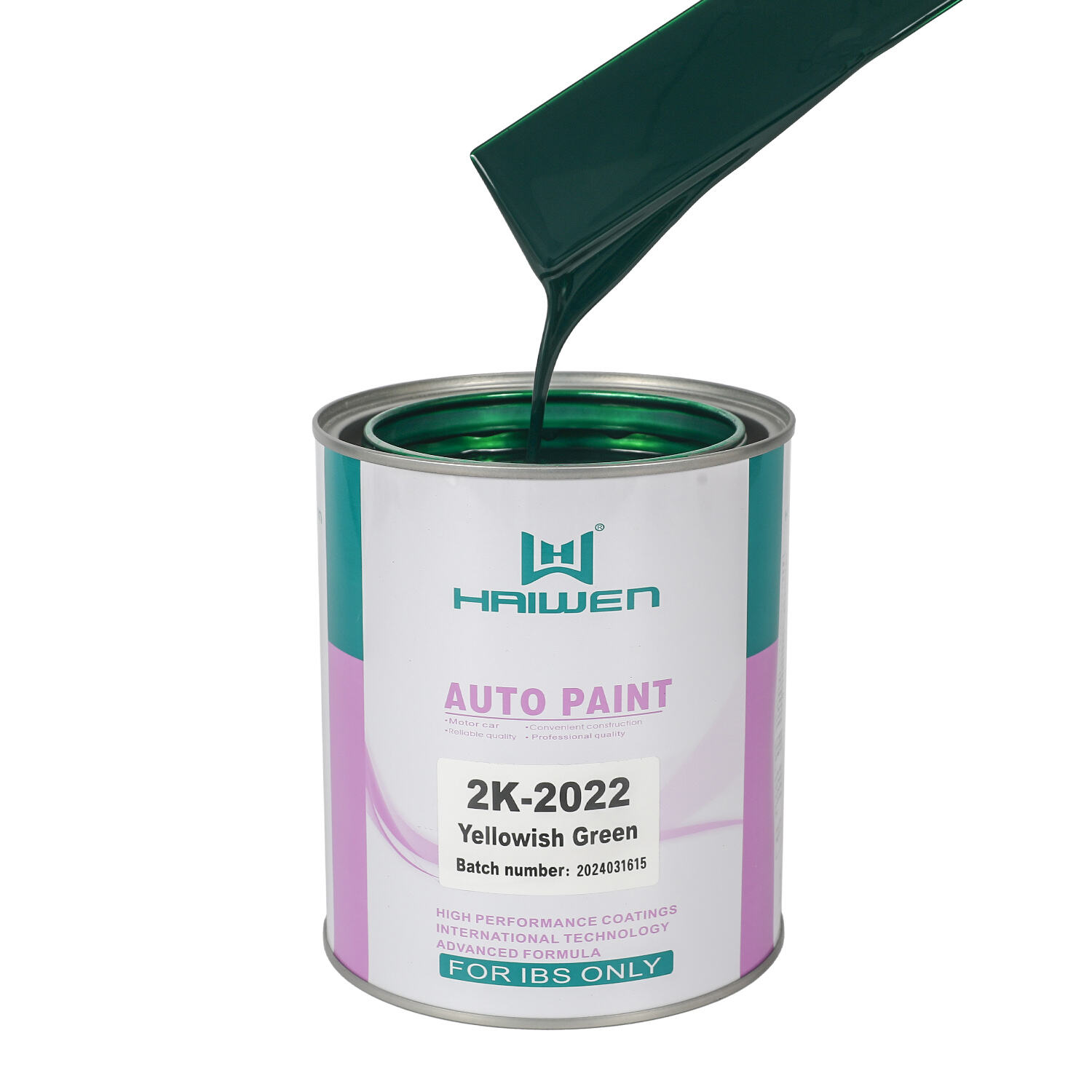
Environmental Protection and Durability Factors
UV Resistance and Color Stability
While 2K surface primer primarily serves as an intermediate coating layer, its UV resistance properties contribute significantly to overall system durability. Advanced formulations incorporate UV absorbers and hindered amine light stabilizers that prevent photodegradation of the primer film and underlying substrate. These additives work synergistically to maintain coating integrity and prevent chalking, cracking, or delamination caused by prolonged solar exposure.
The primer's color stability ensures consistent appearance and prevents color shift that could affect the final topcoat appearance. Some specialized 2K surface primer formulations include tinting capabilities that enhance hiding power and color development in the topcoat system. This color coordination approach improves overall system efficiency and can reduce the number of topcoat layers required for optimal coverage and appearance.
Thermal Cycling and Mechanical Stress Resistance
Automotive applications subject coatings to significant temperature variations, mechanical stress, and thermal cycling that can cause inferior primer systems to fail prematurely. The crosslinked structure of 2K surface primer provides excellent dimensional stability and flexibility that accommodates substrate movement without cracking or delamination. This flexibility is particularly important in areas subject to vibration, thermal expansion, and mechanical flexing during vehicle operation.
The primer's formulation includes plasticizers and flexibility modifiers that maintain coating performance across a wide temperature range. These additives prevent the coating from becoming brittle at low temperatures while maintaining structural integrity at elevated temperatures. The result is a primer system that maintains protective properties and adhesion throughout the vehicle's service life, regardless of climatic conditions or operational stresses.
Application Techniques and Performance Optimization
Proper Mixing and Application Parameters
Achieving optimal performance from 2K surface primer requires careful attention to mixing ratios, pot life, and application parameters. The two-component system must be mixed according to manufacturer specifications to ensure complete crosslinking and maximum performance properties. Deviation from recommended mixing ratios can result in incomplete cure, reduced durability, or adhesion problems that compromise long-term protection.
Application techniques significantly influence primer performance, with spray application typically providing the most uniform and efficient coverage. Proper spray gun setup, air pressure, and application speed ensure even film thickness and minimize defects such as runs, sags, or dry spray. Environmental conditions during application, including temperature and humidity, must be controlled to prevent curing problems and ensure optimal film formation.
Curing Conditions and Film Development
The curing process for 2K surface primer involves both solvent evaporation and chemical crosslinking reactions that continue for several hours after application. Optimal curing conditions include controlled temperature and airflow that promote even solvent release while allowing sufficient time for crosslinking reactions to complete. Forced drying systems can accelerate the process but must be carefully controlled to prevent film defects or incomplete cure.
Film thickness control is critical for achieving maximum protection and performance from 2K surface primer systems. Insufficient film thickness may not provide adequate protection or filling capability, while excessive thickness can lead to solvent entrapment, poor adhesion, or coating defects. Most applications require film thicknesses between 25-50 microns dry film thickness, depending on the specific product formulation and application requirements.
Long-Term Performance and Maintenance Considerations
Service Life Expectations and Performance Monitoring
When properly applied and maintained, 2K surface primer systems can provide protection for decades under normal automotive service conditions. The actual service life depends on various factors including substrate preparation quality, application technique, environmental exposure, and maintenance practices. Regular inspection and maintenance can extend primer system life and prevent minor issues from developing into major coating failures.
Performance monitoring should include visual inspection for signs of coating degradation such as chalking, cracking, or delamination. Early detection of coating problems allows for targeted repair that can restore protection without requiring complete system replacement. Professional assessment may be necessary to determine the extent of any coating deterioration and develop appropriate repair strategies.
Repair and Maintenance Strategies
Minor damage to 2K surface primer systems can often be repaired using compatible primer materials and proper surface preparation techniques. Spot repairs require careful feathering of damaged areas and selection of matching primer formulations to ensure compatibility and uniform appearance. Proper surface preparation and application techniques are essential for achieving durable repairs that integrate seamlessly with the existing coating system.
Preventive maintenance practices can significantly extend the service life of 2K surface primer systems. Regular washing with appropriate cleaning agents removes contaminants that could accelerate coating degradation. Avoiding harsh chemicals, abrasive cleaning methods, and excessive mechanical stress helps preserve coating integrity and protective properties. Professional maintenance and inspection programs can identify potential problems before they require extensive repair or replacement.
FAQ
What makes 2K surface primer superior to single-component primers
The two-component crosslinking chemistry of 2K surface primer creates irreversible chemical bonds that provide superior durability, chemical resistance, and adhesion compared to single-component primers. The crosslinked polymer network cannot be redissolved or softened by solvents, making it more resistant to environmental degradation and mechanical damage. Additionally, 2K systems typically offer better corrosion protection and longer service life under challenging automotive conditions.
How long should I wait between primer application and topcoat
The recoat window for 2K surface primer varies depending on the specific product formulation and curing conditions, but typically ranges from 30 minutes to 24 hours. Applying topcoat within this window ensures optimal adhesion between layers. If the primer has cured beyond the recommended recoat window, light sanding may be necessary to promote topcoat adhesion. Always consult the manufacturer's technical data sheet for specific timing recommendations.
Can 2K surface primer be applied over existing paint
Yes, 2K surface primer can typically be applied over existing automotive paints provided the substrate is properly prepared and compatible. The existing paint should be thoroughly cleaned, lightly sanded to promote adhesion, and tested for compatibility with the primer system. Some older paint systems may require additional surface preparation or specialized adhesion promoters to ensure proper bonding and long-term durability.
What environmental factors affect 2K surface primer performance
Temperature, humidity, UV exposure, and chemical contamination are the primary environmental factors affecting 2K surface primer performance. Extreme temperature variations can cause thermal stress, while high humidity during application can interfere with proper curing. Prolonged UV exposure can degrade polymer chains over time, and chemical contaminants such as road salt or industrial pollutants can accelerate coating degradation. Proper formulation selection and maintenance practices help mitigate these environmental effects.
