
 EN
EN
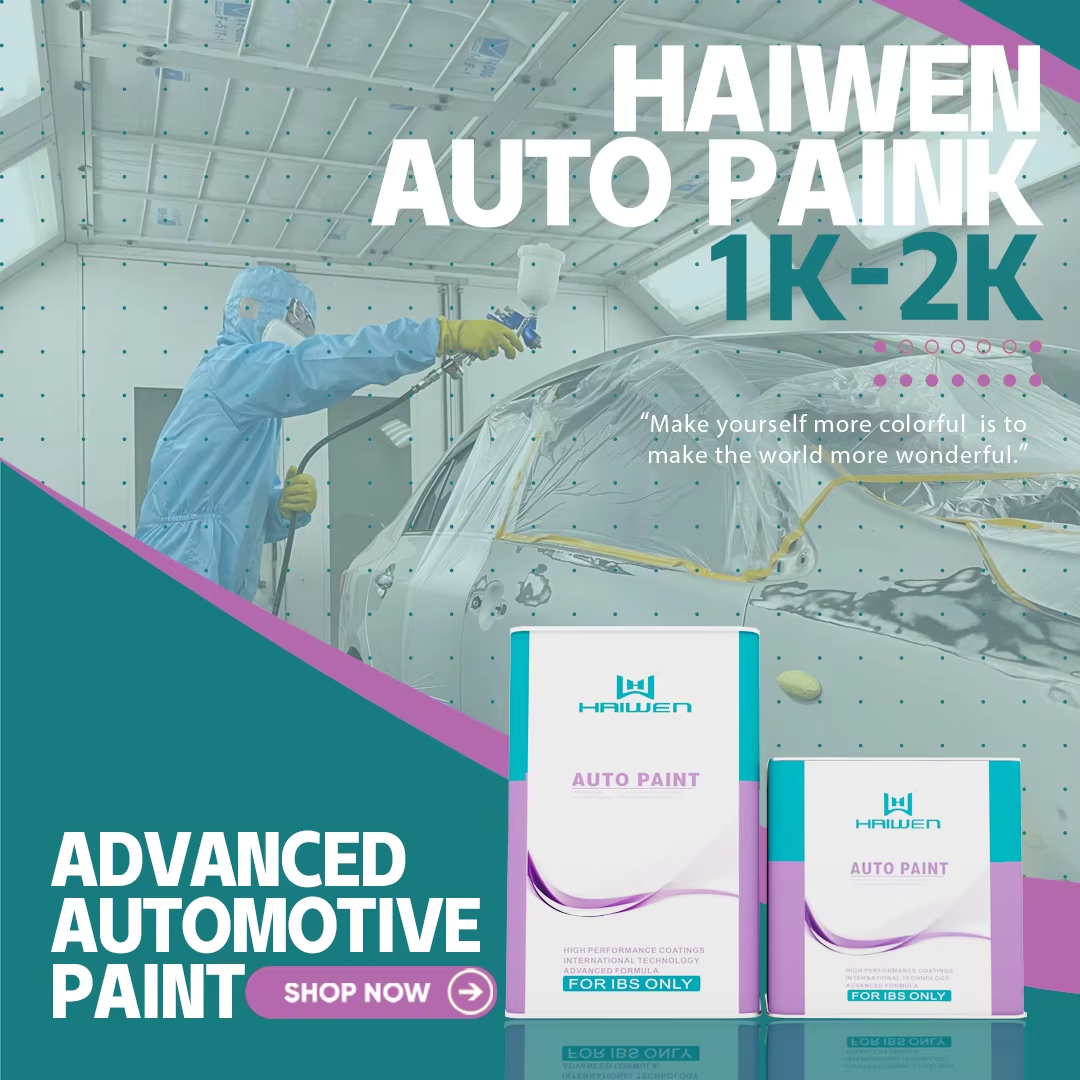
Understanding clearcoat chemistry is fundamental to achieving superior gloss retention in automotive and industrial coating applications. The molecular composition and formulation variables within clearcoat systems directly influence their ability to maintain lustrous finishes over extended periods. Professional painters and coating specialists recognize that clearcoat chemistry encompasses multiple components including resins, crosslinkers, UV absorbers, and light stabilizers that work synergistically to preserve surface appearance against environmental degradation.
The fundamental principles of clearcoat chemistry reveal why certain formulations excel in gloss preservation while others experience rapid deterioration. Modern automotive clearcoats utilize advanced polymer networks that resist weathering, chemical exposure, and mechanical stress. These sophisticated formulations incorporate specific molecular architectures designed to maintain optical clarity and surface smoothness throughout their service life.
Chemical Composition Impact on Gloss Performance
Resin System Architecture
The backbone of effective clearcoat chemistry lies in its resin system architecture, which determines fundamental performance characteristics including gloss retention. Acrylic polyol resins combined with polyisocyanate crosslinkers create robust polymer networks that resist environmental degradation. These chemical bonds form three-dimensional structures that maintain surface integrity against UV radiation, temperature fluctuations, and chemical contaminants.
Advanced clearcoat chemistry incorporates multiple resin types to optimize specific performance attributes. Polyester resins contribute flexibility and impact resistance, while acrylic components enhance weather resistance and optical clarity. The molecular weight distribution within these resin systems significantly influences film formation characteristics and long-term durability properties.
Crosslink density plays a crucial role in determining how clearcoat chemistry affects gloss retention over time. Higher crosslink densities generally provide superior chemical resistance and hardness but may compromise flexibility. Optimal formulations balance these properties through precise stoichiometric ratios and controlled curing conditions to achieve maximum gloss preservation.
UV Protection Mechanisms
Ultraviolet light represents the primary environmental threat to clearcoat gloss retention, making UV protection integral to effective clearcoat chemistry. UV absorbers and hindered amine light stabilizers work through different mechanisms to preserve polymer integrity. UV absorbers convert harmful radiation into harmless heat, while HALS compounds neutralize free radicals generated during photodegradation processes.
The selection and concentration of UV protection additives within clearcoat chemistry formulations directly correlate with long-term gloss performance. Benzotriazole and triazine-based UV absorbers provide excellent protection across the UV spectrum, while their molecular structures ensure compatibility with various resin systems without compromising optical properties.
Synergistic effects between different UV protection mechanisms enhance overall clearcoat chemistry performance. Combining multiple UV absorber types with complementary HALS compounds creates comprehensive protection systems that outperform individual additives. This approach ensures consistent gloss retention even under extreme environmental conditions.
Environmental Factors and Chemical Resistance
Weathering Resistance Properties
Environmental weathering represents a complex challenge for clearcoat chemistry, involving simultaneous exposure to UV radiation, temperature extremes, moisture, and atmospheric pollutants. Advanced formulations incorporate weather-resistant chemistry that maintains gloss levels through extended outdoor exposure. These systems resist chalking, checking, and surface roughening that typically cause gloss reduction.
Temperature cycling effects on clearcoat chemistry involve thermal expansion and contraction that can compromise film integrity over time. Proper formulation chemistry includes plasticizers and impact modifiers that maintain flexibility across temperature ranges while preserving surface smoothness essential for gloss retention.
Hydrolytic stability within clearcoat chemistry prevents moisture-induced degradation that leads to gloss loss. Water-resistant formulations utilize hydrophobic additives and crosslinked structures that repel moisture penetration. This protection mechanism ensures consistent performance in humid environments and during repeated wet-dry cycles.
Chemical Contamination Defense
Modern clearcoat chemistry must resist various chemical contaminants including acid rain, tree sap, bird droppings, and industrial pollutants that can etch or stain surfaces. Chemical-resistant formulations incorporate specific additives that neutralize acidic compounds and prevent surface penetration. These protective mechanisms maintain gloss by preserving surface smoothness and optical clarity.
Barrier properties within clearcoat chemistry prevent contaminant migration into the coating film. Dense crosslinked structures combined with appropriate surface energy levels create effective barriers against chemical penetration. This protection ensures that surface contamination can be removed without permanent damage to gloss levels.
Self-healing properties in advanced clearcoat chemistry enable recovery from minor surface damage that could otherwise compromise gloss retention. Thermoplastic additives allow molecular reorganization under heat exposure, effectively erasing light scratches and swirl marks that accumulate during normal service.
Formulation Variables and Performance Optimization
Additive Integration Strategies
Successful clearcoat chemistry requires careful integration of performance additives that enhance gloss retention without compromising other properties. Flow and leveling additives ensure smooth film formation that eliminates surface defects contributing to gloss reduction. These additives work at the molecular level to minimize surface tension variations during curing.
Anti-settling agents in clearcoat chemistry prevent component separation during storage, ensuring consistent performance throughout product shelf life. Proper dispersion of all additives maintains uniform properties across the applied film, preventing localized weak points that could initiate gloss degradation.
Compatibility testing between different additives ensures that clearcoat chemistry formulations remain stable over time. Incompatible combinations can lead to phase separation, haze formation, or premature curing that compromises gloss retention properties. Systematic evaluation of additive interactions guides optimal formulation development.
Curing Mechanism Optimization
The curing process fundamentally influences how clearcoat chemistry develops its final properties including gloss retention characteristics. Controlled crosslinking rates ensure complete polymer network formation without creating internal stress that could compromise long-term performance. Optimal curing conditions maximize crosslink density while maintaining film flexibility.
Catalyst selection within clearcoat chemistry affects both initial film formation and long-term stability. Organometallic catalysts provide controlled reactivity that ensures complete crosslinking without excessive exothermic reactions that could damage film properties. Proper catalyst levels optimize curing speed while preserving surface quality.
Post-cure development in clearcoat chemistry continues for weeks after initial application, gradually improving hardness and chemical resistance properties. Understanding this development process enables prediction of long-term gloss retention performance and guides maintenance scheduling for optimal appearance preservation.
Advanced Technologies in Gloss Preservation
Nanotechnology Applications
Nanotechnology integration represents the cutting edge of clearcoat chemistry development for enhanced gloss retention. Nano-scale additives provide superior UV protection, scratch resistance, and self-cleaning properties without compromising optical clarity. These microscopic particles distribute uniformly throughout the coating matrix, creating enhanced protection mechanisms.
Silica nanoparticles in advanced clearcoat chemistry improve surface hardness while maintaining transparency. These particles create reinforced surface layers that resist scratching and abrasion that typically degrade gloss over time. Proper surface treatment ensures compatibility with organic matrix systems.
Photocatalytic nanoparticles enable self-cleaning properties within clearcoat chemistry formulations. Titanium dioxide particles activate under UV light to break down organic contaminants, maintaining surface cleanliness essential for sustained gloss levels. This technology reduces maintenance requirements while preserving appearance quality.
Smart Coating Technologies
Emerging smart coating technologies incorporate responsive elements into clearcoat chemistry that adapt to environmental conditions. These systems can modify their properties in response to temperature, humidity, or UV exposure levels, optimizing protection for maximum gloss retention under varying conditions.
Self-reporting capabilities in advanced clearcoat chemistry enable early detection of coating degradation before visible damage occurs. Embedded indicators change color or fluorescence when specific degradation thresholds are reached, allowing preventive maintenance to preserve gloss levels.
Adaptive barrier properties within intelligent clearcoat chemistry systems adjust permeability based on environmental threats. These coatings can temporarily increase barrier properties during chemical exposure events while maintaining breathability under normal conditions, optimizing both protection and performance.
Quality Control and Testing Methodologies
Gloss Measurement Standards
Accurate assessment of gloss retention requires standardized measurement protocols that account for the complex relationship between clearcoat chemistry and optical properties. ASTM and ISO standards define specific measurement geometries and conditions that ensure reproducible results across different testing environments and equipment types.
Specular reflectance measurements at multiple angles provide comprehensive evaluation of how clearcoat chemistry affects surface appearance. The relationship between 20-degree, 60-degree, and 85-degree measurements reveals information about surface texture, clarity, and overall visual impact that correlates with long-term performance predictions.
Accelerated weathering protocols simulate extended environmental exposure to evaluate clearcoat chemistry performance within compressed timeframes. Xenon arc and UV fluorescent testing equipment recreate specific weathering conditions that allow prediction of gloss retention over multi-year service periods.
Performance Validation Methods
Comprehensive validation of clearcoat chemistry requires multiple testing approaches that evaluate different aspects of gloss retention performance. Chemical resistance testing using standardized spot tests reveals how formulations respond to common contaminants that vehicles encounter during normal service.
Mechanical testing protocols assess how clearcoat chemistry withstands physical stress that can compromise gloss retention. Scratch resistance, impact testing, and flexibility evaluations provide insight into durability characteristics that influence long-term appearance preservation.
Field testing validation confirms laboratory predictions under real-world conditions where clearcoat chemistry faces complex environmental challenges. Extended outdoor exposure studies provide definitive performance data that guides product development and application recommendations for optimal gloss retention.
FAQ
What chemical components most significantly impact clearcoat gloss retention
The most critical chemical components affecting clearcoat gloss retention include UV absorbers, hindered amine light stabilizers, and the base resin system architecture. UV absorbers protect against photodegradation that causes surface chalking and roughening, while HALS compounds neutralize free radicals that attack polymer chains. The resin system crosslink density and molecular weight distribution determine fundamental durability and surface stability properties that preserve gloss over time.
How does clearcoat chemistry differ between automotive and industrial applications
Automotive clearcoat chemistry typically emphasizes appearance retention and weathering resistance for consumer appeal, incorporating premium UV protection and flow additives for superior gloss. Industrial clearcoat chemistry often prioritizes chemical resistance and mechanical durability over aesthetic properties, utilizing different resin systems and additive packages optimized for specific service environments. Application methods and curing conditions also influence formulation chemistry selection for optimal performance in each market segment.
Can clearcoat chemistry be modified to improve existing gloss retention
Existing clearcoat chemistry can be enhanced through topcoat applications, surface treatments, or additive integration during maintenance refinishing. Nano-coating applications provide additional UV protection and scratch resistance, while polishing compounds containing protective additives can temporarily restore gloss levels. However, fundamental chemistry modifications require complete system reformulation during manufacturing rather than field modifications to existing coatings.
What environmental factors most challenge clearcoat chemistry performance
UV radiation represents the primary environmental threat to clearcoat chemistry, causing polymer degradation that leads to chalking and gloss reduction. Temperature cycling creates thermal stress that can crack or craze coating surfaces, while acid rain and atmospheric pollutants can chemically etch clearcoat surfaces. Combination exposures involving simultaneous UV, moisture, and temperature extremes create the most challenging conditions for clearcoat chemistry performance and gloss retention.
Table of Contents
- Chemical Composition Impact on Gloss Performance
- Environmental Factors and Chemical Resistance
- Formulation Variables and Performance Optimization
- Advanced Technologies in Gloss Preservation
- Quality Control and Testing Methodologies
-
FAQ
- What chemical components most significantly impact clearcoat gloss retention
- How does clearcoat chemistry differ between automotive and industrial applications
- Can clearcoat chemistry be modified to improve existing gloss retention
- What environmental factors most challenge clearcoat chemistry performance
