
 EN
EN
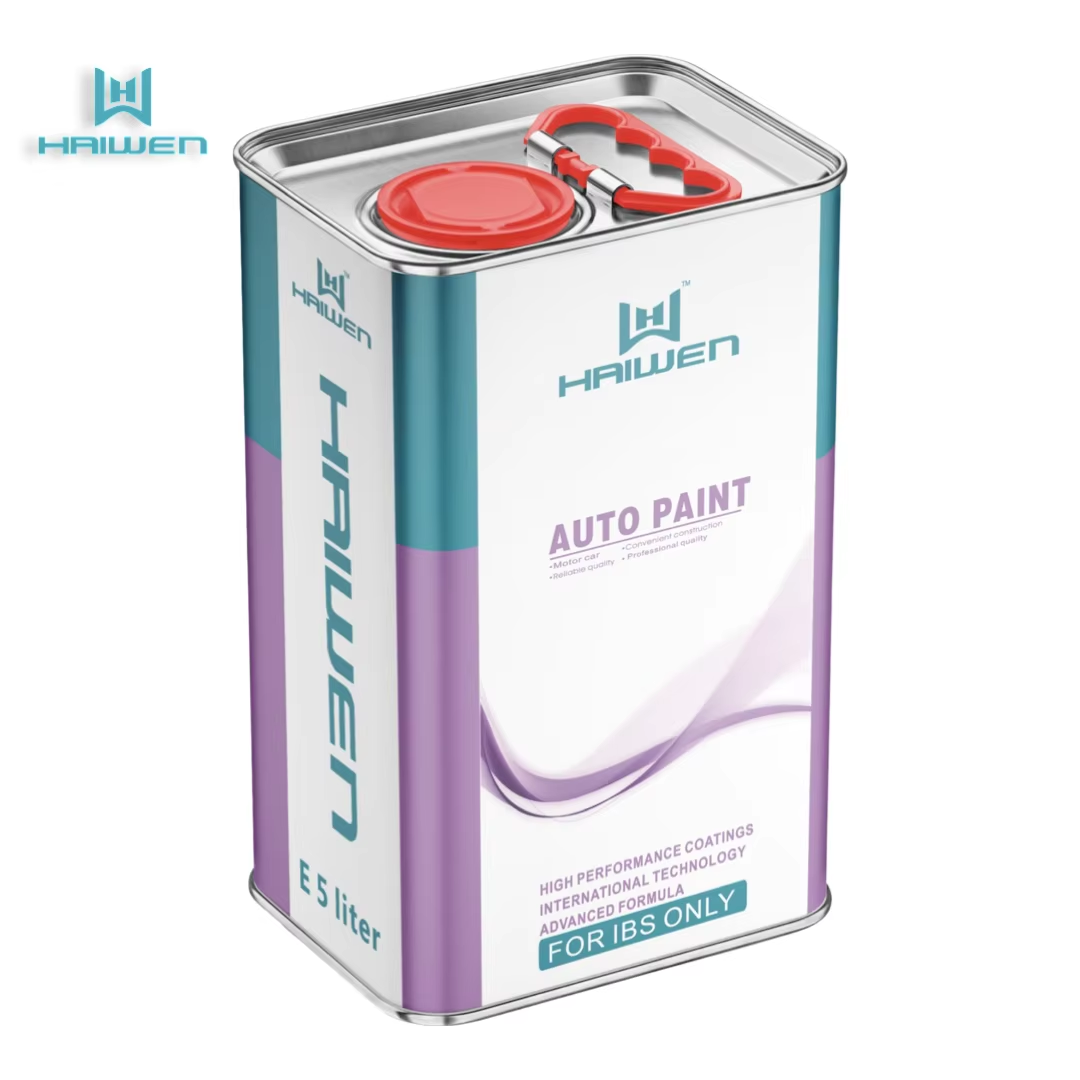
Selecting the right clearcoat products for automotive body shops represents one of the most critical decisions that directly impacts both operational efficiency and customer satisfaction. Body shops must navigate through numerous technical specifications, environmental considerations, and business factors when choosing clearcoat products that will deliver professional results. The automotive refinish industry demands excellence in every application, making the selection process for clearcoat products a strategic business decision that affects everything from productivity to profit margins. Understanding the key factors involved in choosing clearcoat products enables body shops to make informed decisions that enhance their competitive advantage in the marketplace.
Performance Characteristics of Modern Clearcoat Products
Durability and Weather Resistance Properties
Modern clearcoat products must demonstrate exceptional durability to withstand various environmental challenges that vehicles encounter daily. UV radiation poses the most significant threat to automotive finishes, requiring clearcoat products to incorporate advanced UV stabilizers and absorbers that prevent degradation over time. Temperature fluctuations, acid rain, road salt, and industrial pollutants all contribute to the deterioration of automotive finishes, making weather resistance a paramount concern when evaluating clearcoat products. Body shops should prioritize clearcoat products that have undergone rigorous testing protocols, including accelerated weathering tests that simulate years of exposure in condensed timeframes.
Chemical resistance represents another crucial aspect of clearcoat products performance, as vehicles regularly encounter various chemical contaminants including fuel spills, cleaning products, and environmental pollutants. Superior clearcoat products maintain their integrity when exposed to these substances, preventing staining, etching, or surface deterioration that could compromise the vehicle's appearance. The molecular structure of high-quality clearcoat products incorporates crosslinking agents that create a dense, impermeable barrier against chemical infiltration while maintaining flexibility to accommodate substrate movement without cracking or peeling.
Application Properties and Spray Characteristics
The spray characteristics of clearcoat products significantly influence the efficiency and quality of the application process in body shop operations. Viscosity, flow properties, and atomization characteristics determine how easily clearcoat products can be applied using standard spray equipment, affecting both the speed of application and the uniformity of coverage. Professional-grade clearcoat products should demonstrate consistent spray patterns, minimal overspray, and excellent leveling properties that reduce the need for extensive polishing or correction work after application.
Working time and pot life considerations directly impact productivity in busy body shop environments where multiple vehicles may be processed simultaneously. Clearcoat products with extended working times allow technicians greater flexibility in application timing while maintaining consistent results across different ambient conditions. Temperature sensitivity affects both application properties and curing characteristics, requiring body shops to select clearcoat products that perform reliably within their specific operational temperature ranges throughout different seasons.
Environmental and Safety Considerations
Volatile Organic Compound Compliance
Environmental regulations governing volatile organic compound emissions have fundamentally transformed the clearcoat products landscape, requiring body shops to prioritize compliance with local, state, and federal air quality standards. Modern clearcoat products increasingly utilize waterborne technologies and high-solids formulations that significantly reduce VOC emissions while maintaining performance characteristics comparable to traditional solvent-based systems. Understanding the specific VOC limits in their operating jurisdiction enables body shops to select clearcoat products that ensure regulatory compliance while avoiding potential fines or operational restrictions.
The environmental impact extends beyond VOC emissions to include considerations of waste generation, disposal requirements, and overall sustainability practices within the body shop operation. Clearcoat products that offer higher transfer efficiency reduce material waste and minimize environmental impact while improving cost-effectiveness. Many manufacturers now provide comprehensive environmental data for their clearcoat products, including lifecycle assessments and recyclability information that help body shops make environmentally responsible purchasing decisions that align with corporate sustainability goals.
Health and Safety Requirements
Worker safety considerations play a crucial role in selecting appropriate clearcoat products for body shop operations, as technicians face daily exposure to various chemical substances during the application process. Modern clearcoat products incorporate safer chemical formulations that reduce the risk of respiratory irritation, skin sensitization, and other occupational health concerns while maintaining professional performance standards. Comprehensive safety data sheets provide essential information about proper handling procedures, required personal protective equipment, and emergency response protocols specific to each clearcoat product formulation.
Ventilation requirements and air filtration needs vary significantly among different clearcoat products, affecting both equipment costs and operational procedures within the spray booth environment. Low-emission clearcoat products typically require less intensive ventilation systems, potentially reducing energy costs and equipment maintenance requirements while improving working conditions for technicians. Training requirements for safe handling and application of specific clearcoat products should be factored into the selection process, ensuring that all personnel understand proper procedures and safety protocols.
Economic Factors and Cost Analysis
Material Costs and Coverage Efficiency
The economic evaluation of clearcoat products extends far beyond the initial purchase price to encompass coverage efficiency, waste reduction, and overall material utilization rates that directly impact profitability. High-quality clearcoat products often demonstrate superior hiding power and coverage characteristics that reduce the number of coats required to achieve desired opacity and appearance standards. This efficiency translates into reduced material consumption, shorter application times, and improved productivity that can justify premium pricing for superior clearcoat products.
Labor costs represent a significant component of the total cost equation when evaluating different clearcoat products options for body shop operations. Products that offer faster application times, reduced preparation requirements, and minimal correction work contribute to improved labor efficiency and reduced per-job costs. The relationship between material costs and labor savings often favors premium clearcoat products that streamline the application process and deliver consistent results with minimal rework requirements.
Long-term Value and Customer Satisfaction
Customer satisfaction metrics directly correlate with the performance characteristics of selected clearcoat products, as vehicle owners increasingly expect durable, long-lasting finishes that maintain their appearance over extended periods. Premium clearcoat products that offer superior durability and appearance retention contribute to positive customer experiences and generate repeat business opportunities. The reputation benefits associated with delivering exceptional results using high-quality clearcoat products often outweigh the initial cost differential compared to budget alternatives.
Warranty considerations and manufacturer support services add significant value to the clearcoat products selection process, providing body shops with confidence in their material choices and recourse in the event of performance issues. Comprehensive technical support, training programs, and troubleshooting assistance from clearcoat products manufacturers help ensure successful implementation and optimal results. These support services become particularly valuable when introducing new clearcoat products or training new technicians on application procedures and quality standards.
Technical Specifications and Compatibility
Substrate Compatibility and Adhesion Properties
Successful clearcoat products application depends heavily on proper adhesion to various substrate materials commonly encountered in automotive body repair operations. Modern vehicles incorporate diverse materials including steel, aluminum, plastic, and composite components that each present unique challenges for clearcoat products adhesion. Understanding the specific adhesion requirements and surface preparation procedures for different substrate materials ensures reliable bonding and prevents premature coating failure that could result in costly rework or warranty claims.
Primer and basecoat compatibility represents another critical technical consideration when selecting clearcoat products for body shop operations. Chemical compatibility between different coating layers prevents issues such as lifting, wrinkling, or poor adhesion that can compromise the entire refinish system. Many clearcoat products manufacturers provide detailed compatibility charts and system recommendations that help body shops select coordinated products designed to work together optimally throughout the entire refinish process.
Curing and Drying Characteristics
The curing profile of clearcoat products significantly impacts throughput and productivity in body shop operations, as faster curing times enable quicker vehicle turnaround and increased capacity utilization. Modern clearcoat products offer various curing options including air-dry, force-dry, and UV-curing technologies that provide flexibility in matching product selection to existing equipment and operational procedures. Understanding the relationship between curing conditions, final properties, and production scheduling helps body shops optimize their workflow while maintaining quality standards.
Temperature and humidity sensitivity during the curing process affects both the application window and final performance characteristics of clearcoat products. Some formulations demonstrate greater tolerance to environmental variations, making them more suitable for body shops operating in challenging climatic conditions or those lacking precise environmental control systems. The ability to achieve consistent results across varying environmental conditions represents a valuable characteristic that reduces the risk of quality issues and improves operational reliability.
Equipment and Application Requirements
Spray Equipment Compatibility
The compatibility between clearcoat products and existing spray equipment represents a practical consideration that can significantly impact both initial costs and ongoing operational efficiency. Different clearcoat products formulations may require specific spray gun configurations, fluid tip sizes, or air pressure settings to achieve optimal atomization and application characteristics. Body shops should evaluate whether their current equipment can effectively apply candidate clearcoat products or if equipment modifications or upgrades will be necessary to achieve desired results.
Maintenance requirements and cleaning procedures vary among different clearcoat products, affecting both equipment longevity and daily operational procedures. Some formulations require specialized cleaning solvents or more frequent equipment maintenance to prevent buildup and ensure consistent performance over time. Understanding these requirements helps body shops accurately assess the total cost of ownership associated with different clearcoat products options and plan appropriate maintenance schedules that minimize downtime and equipment-related issues.
Booth Requirements and Environmental Controls
Spray booth requirements for different clearcoat products may vary significantly in terms of ventilation capacity, filtration systems, and environmental control precision. Waterborne clearcoat products often require enhanced humidity control and extended flash times compared to solvent-based alternatives, potentially necessitating booth modifications or operational procedure changes. Understanding these requirements during the selection process helps avoid unexpected costs or performance issues after product implementation.
Air quality and contamination control become increasingly important when working with premium clearcoat products that demand pristine application conditions to achieve optimal results. Dust-free environments, proper air circulation patterns, and contamination prevention measures all contribute to successful clearcoat products application. Body shops should ensure their booth capabilities align with the requirements of their selected clearcoat products to maintain consistent quality standards and minimize defect rates that could impact profitability and customer satisfaction.
FAQ
How do I determine the right clearcoat products for my specific body shop environment
Determining the right clearcoat products for your body shop requires a comprehensive evaluation of your operational environment, including temperature and humidity ranges, ventilation capacity, and existing equipment capabilities. Consider conducting trials with candidate clearcoat products under your actual working conditions to assess performance, application characteristics, and compatibility with your current processes. Consult with technical representatives from clearcoat products manufacturers who can provide guidance based on your specific operational parameters and help identify formulations optimized for your environment.
What are the most important performance indicators when comparing different clearcoat products
The most critical performance indicators include durability testing results, UV resistance ratings, chemical resistance properties, and appearance retention characteristics over time. Evaluate coverage efficiency, application properties, and curing times that directly impact productivity and operational costs. Consider customer satisfaction metrics and warranty performance data from other body shops using the clearcoat products to gain insights into real-world performance and reliability under actual service conditions.
How can I ensure regulatory compliance when selecting new clearcoat products
Ensure regulatory compliance by reviewing VOC content specifications and comparing them to your local air quality regulations and permit requirements. Request documentation of environmental certifications and compliance testing from clearcoat products manufacturers. Consider consulting with environmental compliance specialists who can help interpret regulations and ensure your selected clearcoat products meet all applicable requirements in your jurisdiction while supporting your operational needs and business objectives.
What training considerations should I factor into my clearcoat products selection process
Factor in the training requirements for proper application techniques, safety procedures, and quality control measures specific to your selected clearcoat products. Evaluate the availability of manufacturer training programs, technical support services, and ongoing education opportunities that help ensure successful implementation. Consider the learning curve associated with new clearcoat products and plan for adequate training time to maintain productivity and quality standards during the transition period to new materials and procedures.
Table of Contents
- Performance Characteristics of Modern Clearcoat Products
- Environmental and Safety Considerations
- Economic Factors and Cost Analysis
- Technical Specifications and Compatibility
- Equipment and Application Requirements
-
FAQ
- How do I determine the right clearcoat products for my specific body shop environment
- What are the most important performance indicators when comparing different clearcoat products
- How can I ensure regulatory compliance when selecting new clearcoat products
- What training considerations should I factor into my clearcoat products selection process
