
 EN
EN
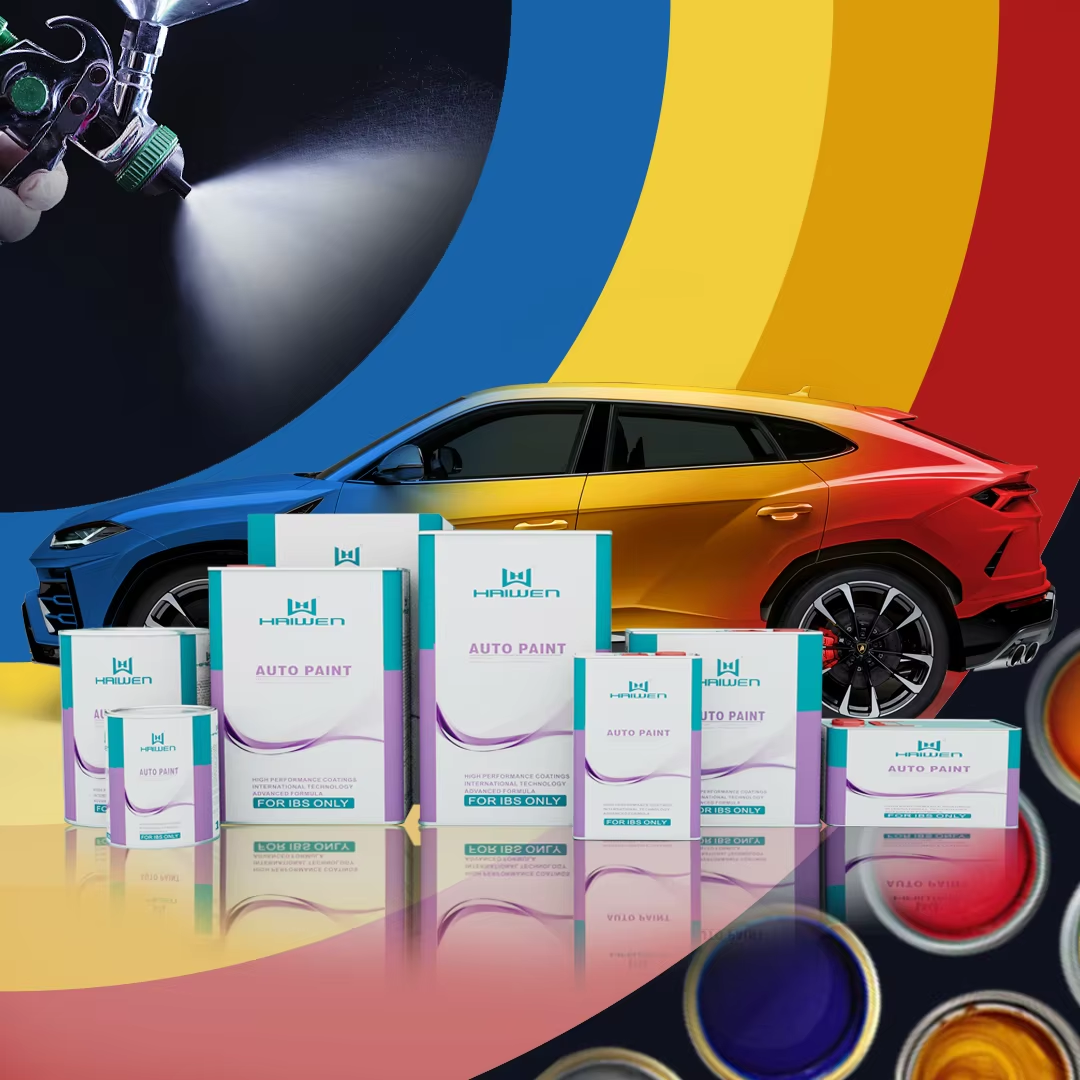
Multi-layer paint systems represent the pinnacle of automotive and industrial coating technology, delivering exceptional durability, aesthetic appeal, and protection against environmental factors. At the heart of these sophisticated coating systems lies a critical factor that determines the overall performance and longevity of the finish: clearcoat adhesion. This fundamental property ensures that each layer bonds securely to create a unified, resilient coating system that withstands the rigors of daily use while maintaining its visual appeal for years to come.
The science behind multi-layer paint systems reveals why proper clearcoat adhesion cannot be overlooked in professional applications. When clearcoat adhesion fails, the entire coating system becomes compromised, leading to delamination, reduced protection, and costly rework. Understanding the mechanisms that govern this adhesion process enables coating professionals to achieve superior results while minimizing potential failures that can undermine project success.
Understanding Multi-Layer Paint System Architecture
Foundation Layer Requirements
Multi-layer paint systems begin with carefully prepared substrates that provide the foundation for successful clearcoat adhesion. The primer layer serves as the crucial bridge between the substrate and subsequent coating layers, establishing the chemical and mechanical bonds necessary for system integrity. Surface preparation at this stage directly influences how well the clearcoat will adhere to the underlying layers, making it essential to follow proper cleaning, sanding, and priming procedures.
The primer composition must be compatible with both the substrate material and the basecoat formulation to ensure optimal inter-coat adhesion. Different substrate materials require specific primer formulations that address their unique surface energy characteristics and potential contamination issues. Metal substrates, for example, benefit from primers that provide corrosion resistance while promoting strong mechanical adhesion through surface profiling and chemical bonding mechanisms.
Basecoat Integration Principles
The basecoat layer provides color, opacity, and special effects while serving as the immediate substrate for clearcoat application. Clearcoat adhesion to the basecoat depends heavily on the chemical compatibility between the two coating formulations and the surface condition of the cured basecoat. Proper basecoat application techniques, including film thickness control and curing parameters, create the ideal surface conditions for subsequent clearcoat bonding.
Timing between basecoat application and clearcoat application significantly affects the quality of clearcoat adhesion achieved. The window of opportunity for optimal adhesion varies depending on the basecoat chemistry, environmental conditions, and specific product specifications. Understanding these timing requirements prevents adhesion failures that can occur when clearcoat is applied too early or after the basecoat has fully cured and developed surface contamination.
Chemical Mechanisms of Clearcoat Adhesion
Molecular Bonding Processes
The molecular interactions that govern clearcoat adhesion involve complex chemical processes that occur at the interface between coating layers. Crosslinking reactions between the clearcoat and basecoat create covalent bonds that provide exceptional adhesion strength and durability. These chemical bonds form when reactive sites in the clearcoat formulation interact with compatible groups in the underlying basecoat, creating a molecular bridge that unites the layers.
Hydrogen bonding also contributes significantly to clearcoat adhesion, particularly in systems that contain polar functional groups. These secondary bonding forces, while individually weaker than covalent bonds, contribute to overall adhesion through their cumulative effect across the coating interface. The presence of hydroxyl groups, carbonyl groups, and other polar functionalities in both the clearcoat and basecoat enhances the formation of these beneficial hydrogen bonds.
Surface Energy Considerations
Surface energy matching between coating layers plays a crucial role in determining the quality of clearcoat adhesion achieved in multi-layer systems. When the surface energy of the basecoat closely matches that of the clearcoat, wetting occurs more readily, allowing the clearcoat to flow into surface irregularities and establish intimate contact with the underlying layer. This improved wetting translates directly into stronger adhesion and better overall system performance.
The dynamic nature of surface energy during the coating application and curing process adds complexity to achieving optimal clearcoat adhesion. Environmental factors such as temperature, humidity, and air movement influence surface energy relationships and can either promote or hinder proper adhesion development. Professional applicators must consider these variables when establishing application procedures that consistently deliver superior adhesion results.
Physical Factors Affecting Adhesion Performance
Surface Texture and Profile Impact
The physical texture of the basecoat surface directly influences the mechanical component of clearcoat adhesion through microscopic interlocking mechanisms. Optimal surface profile provides sufficient texture to promote mechanical adhesion without creating defects that could compromise appearance or performance. The balance between adequate surface roughness for adhesion and smooth finish quality requires careful control of basecoat application parameters and any intermediate surface preparation steps.
Surface contamination represents one of the most significant threats to achieving reliable clearcoat adhesion in production environments. Dust particles, silicone contamination, fingerprints, and other contaminants create barriers that prevent proper wetting and bonding between coating layers. Implementing effective contamination control measures, including proper booth maintenance, air filtration, and handling procedures, ensures that surfaces remain clean and ready for optimal adhesion development.
Film Thickness Optimization
The thickness of both basecoat and clearcoat films affects the stress distribution within the coating system and influences long-term clearcoat adhesion stability. Excessive film thickness can create internal stresses that exceed the adhesive strength of the interface, leading to adhesion failure over time. Conversely, insufficient film thickness may result in inadequate protection and premature system failure due to environmental exposure.
Uniform film thickness distribution across the coated surface ensures consistent clearcoat adhesion performance and prevents localized failures that can propagate throughout the system. Advanced application techniques and equipment help achieve the precise film thickness control necessary for optimal adhesion while maintaining the aesthetic and protective qualities expected from professional coating systems.
Environmental Factors in Adhesion Development
Temperature and Humidity Control
Environmental conditions during coating application and curing significantly impact the development of strong clearcoat adhesion in multi-layer paint systems. Temperature affects the viscosity of coating materials, their flow characteristics, and the rate of chemical reactions that create adhesive bonds. Optimal temperature ranges specified by coating manufacturers ensure that clearcoat materials achieve proper flow and leveling while maintaining the reactivity necessary for strong adhesion development.
Humidity control becomes critical when working with moisture-sensitive coating systems that can be adversely affected by atmospheric water vapor. High humidity levels can interfere with curing reactions, create surface defects, and compromise the quality of clearcoat adhesion achieved. Professional spray booth environments provide precise humidity control to maintain conditions that promote optimal coating performance and adhesion development.
Air Movement and Contamination Prevention
Proper air movement patterns in coating application areas help maintain clean surfaces while promoting optimal clearcoat adhesion through controlled evaporation rates and contamination prevention. Laminar airflow systems remove overspray particles and other airborne contaminants that could settle on freshly applied coatings and interfere with inter-coat bonding. The design and maintenance of air handling systems directly impact the consistency of adhesion results achieved in production environments.
Air quality monitoring and filtration ensure that coating environments remain free from contaminants that can compromise clearcoat adhesion. Regular filter replacement, system cleaning, and air quality testing help maintain the pristine conditions necessary for achieving superior adhesion performance in demanding applications where coating quality cannot be compromised.
Testing and Quality Assurance Methods
Adhesion Testing Protocols
Comprehensive testing protocols validate the quality of clearcoat adhesion achieved in multi-layer paint systems before they enter service. Cross-cut adhesion tests provide quantitative measurements of coating adhesion strength by creating a grid pattern through the coating layers and evaluating the extent of coating removal when adhesive tape is applied and removed. These standardized tests offer reliable, repeatable results that can be used to qualify coating systems and application procedures.
Pull-off adhesion testing provides direct measurement of the tensile strength of clearcoat adhesion by applying controlled forces perpendicular to the coated surface. This testing method reveals the actual adhesive strength achieved and helps identify potential weaknesses in the coating system before failure occurs in service. Regular adhesion testing during production validates process control and ensures consistent quality delivery.
Long-Term Performance Monitoring
Accelerated weathering tests simulate years of environmental exposure to evaluate the durability of clearcoat adhesion under various stress conditions. These tests expose coated samples to controlled cycles of temperature, humidity, UV radiation, and other environmental factors that can degrade adhesion over time. Results from accelerated testing provide valuable insights into long-term performance expectations and help identify potential adhesion issues before they become costly field failures.
Field performance monitoring of coating systems provides real-world validation of clearcoat adhesion durability under actual service conditions. Regular inspection and testing of installed coating systems help identify trends and potential issues that may not be apparent in laboratory testing. This feedback loop enables continuous improvement of coating formulations and application procedures to enhance adhesion performance and system longevity.
Troubleshooting Common Adhesion Problems
Identifying Adhesion Failure Modes
Adhesion failures in multi-layer paint systems manifest in several distinct patterns that provide clues about their underlying causes. Cohesive failures occur within a coating layer rather than at the interface, indicating that the adhesive strength exceeds the internal strength of the coating material. These failures suggest that the clearcoat adhesion itself is adequate, but other factors such as coating thickness, curing conditions, or material compatibility may need adjustment.
Adhesive failures occur specifically at the interface between coating layers and directly indicate problems with clearcoat adhesion development. These failures typically result from contamination, improper surface preparation, timing issues, or chemical incompatibility between coating layers. Identifying the specific failure mode helps target corrective actions and prevents recurrence of similar problems in future applications.
Prevention and Corrective Strategies
Preventing clearcoat adhesion failures requires systematic attention to all factors that influence bonding between coating layers. Establishing and maintaining proper surface preparation procedures ensures that basecoat surfaces remain clean and properly textured for optimal adhesion development. Regular training and certification of application personnel helps maintain consistent quality standards and prevents human error that can compromise adhesion performance.
When adhesion problems occur, systematic troubleshooting approaches help identify root causes and implement effective corrective actions. Documentation of application conditions, material lot numbers, and environmental factors provides the data necessary to correlate adhesion performance with specific variables. This analytical approach enables continuous improvement of clearcoat adhesion results and helps prevent similar problems in future applications.
Advanced Coating Technologies and Future Developments
Nano-Enhanced Adhesion Systems
Emerging nanotechnology applications in coating systems offer new opportunities to enhance clearcoat adhesion through molecular-level engineering of interface properties. Nano-scale additives can modify surface energy, create mechanical interlocking features, and provide chemical bonding sites that dramatically improve adhesion strength and durability. These advanced materials represent the next generation of coating technology that will deliver superior performance in demanding applications.
Smart coating systems incorporate responsive materials that can adapt to environmental conditions and optimize clearcoat adhesion under varying circumstances. These intelligent systems monitor their own performance and can trigger self-repair mechanisms or alert users to potential adhesion issues before failures occur. The integration of sensor technology with coating systems opens new possibilities for proactive maintenance and enhanced reliability.
Sustainable Adhesion Solutions
Environmental considerations drive the development of sustainable coating technologies that maintain excellent clearcoat adhesion while reducing environmental impact. Water-based coating systems, low-VOC formulations, and bio-based raw materials are being engineered to deliver adhesion performance that matches or exceeds traditional solvent-based systems. These developments respond to regulatory requirements while meeting the performance expectations of professional users.
Recycling and reprocessing technologies for multi-layer paint systems require careful consideration of clearcoat adhesion characteristics to enable effective material recovery. Coatings designed for end-of-life processing can facilitate the separation and reuse of valuable materials while maintaining the adhesion performance necessary during their service life. This circular economy approach to coating systems supports sustainability goals without compromising quality or performance.
FAQ
What causes clearcoat adhesion failure in automotive applications
Clearcoat adhesion failures in automotive applications typically result from surface contamination, improper timing between basecoat and clearcoat application, incompatible materials, or inadequate surface preparation. Environmental factors such as temperature and humidity extremes during application can also compromise adhesion development. Prevention requires strict adherence to manufacturer specifications, proper surface cleaning procedures, and controlled application environments that promote optimal bonding between coating layers.
How can I test clearcoat adhesion quality before full production
Testing clearcoat adhesion quality involves several standardized methods including cross-cut tape tests, pull-off adhesion measurements, and knife adhesion evaluations. These tests should be performed on representative samples using the same materials, application procedures, and curing conditions planned for production. Regular testing during process development and qualification ensures that adhesion performance meets requirements before committing to full-scale production runs.
Why does clearcoat adhesion vary between different basecoat colors
Different basecoat colors often contain varying pigment types, concentrations, and surface characteristics that can affect clearcoat adhesion performance. Metallic and pearl basecoats may present different surface textures and chemical properties compared to solid colors, influencing how well the clearcoat wets and bonds to the underlying layer. Some pigments can also affect the curing characteristics of basecoats, creating timing windows that vary by color and require adjusted application procedures for optimal adhesion.
What environmental conditions provide optimal clearcoat adhesion development
Optimal environmental conditions for clearcoat adhesion development typically include temperatures between 65-75°F (18-24°C), relative humidity levels of 40-60%, and controlled air movement that prevents contamination while promoting proper film formation. These conditions may vary depending on specific coating formulations, but maintaining stable, clean environments within manufacturer-recommended ranges ensures consistent adhesion performance and minimizes the risk of adhesion-related failures in finished coating systems.
Table of Contents
- Understanding Multi-Layer Paint System Architecture
- Chemical Mechanisms of Clearcoat Adhesion
- Physical Factors Affecting Adhesion Performance
- Environmental Factors in Adhesion Development
- Testing and Quality Assurance Methods
- Troubleshooting Common Adhesion Problems
- Advanced Coating Technologies and Future Developments
- FAQ
