
 EN
EN
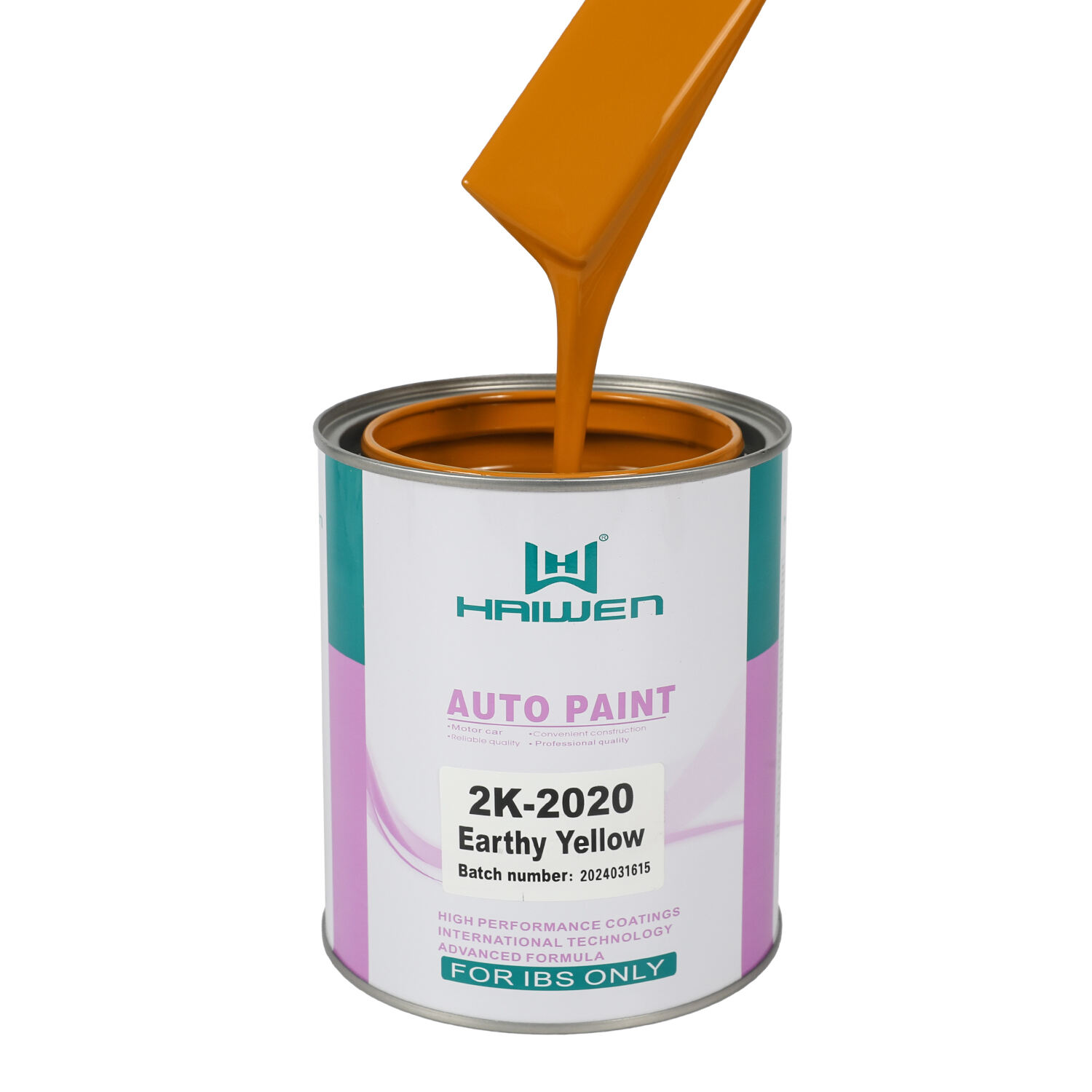
Selecting the appropriate 2K surface primer for automotive repair projects requires careful consideration of substrate compatibility, environmental conditions, and performance requirements. Professional automotive refinishing demands primers that deliver exceptional adhesion, corrosion resistance, and smoothness to ensure long-lasting paint systems that meet both aesthetic and durability standards.
The complexity of modern automotive substrates, ranging from steel and aluminum to various plastics and composite materials, makes primer selection a critical decision point that directly impacts repair quality and customer satisfaction. Understanding the technical specifications and application characteristics of different 2K surface primer formulations enables technicians to achieve professional results while optimizing workflow efficiency and material costs.
Understanding 2K Surface Primer Chemistry and Performance
Two-Component System Fundamentals
A 2K surface primer operates through a chemical crosslinking reaction between the base resin and hardener component, creating a durable polymer network that provides superior adhesion and resistance properties. This two-component chemistry delivers significantly enhanced performance compared to single-component primers, particularly in demanding automotive environments where temperature fluctuations, chemical exposure, and mechanical stress are common.
The crosslinking process in 2K surface primer systems begins immediately upon mixing and continues during the curing phase, resulting in a three-dimensional polymer structure that bonds chemically with both the substrate and subsequent topcoat layers. This chemical bonding mechanism ensures excellent inter-coat adhesion and prevents delamination issues that can compromise long-term durability.
Professional-grade 2K surface primer formulations typically incorporate advanced resin technologies such as polyurethane, epoxy, or hybrid systems that offer specific performance advantages depending on application requirements. Understanding these chemistry differences helps technicians select the most appropriate primer type for specific repair scenarios and substrate combinations.
Adhesion and Compatibility Properties
The adhesion performance of a 2K surface primer depends on its ability to form strong molecular bonds with various automotive substrates while providing an optimal surface for topcoat application. Different primer chemistries exhibit varying adhesion characteristics on steel, aluminum, galvanized surfaces, and plastic components, making substrate compatibility a primary selection criterion.
Epoxy-based 2K surface primer systems excel on metal substrates due to their exceptional corrosion resistance and strong adhesion to properly prepared surfaces. These primers often incorporate zinc phosphate or other corrosion-inhibiting pigments that provide active protection against rust formation, making them ideal for structural repairs and areas prone to moisture exposure.
Polyurethane-based 2K surface primer formulations offer excellent flexibility and impact resistance, making them suitable for areas subject to vibration or thermal cycling. The inherent elasticity of polyurethane chemistry helps prevent cracking and ensures long-term adhesion even under challenging service conditions.
Substrate Analysis and Preparation Requirements
Metal Surface Considerations
Steel substrates require specific 2K surface primer characteristics to ensure optimal corrosion protection and adhesion performance. The primer must provide barrier protection against moisture and oxygen while maintaining strong adhesion to the mechanically or chemically prepared surface. Proper surface preparation, including thorough degreasing and abrasion, creates the foundation for successful primer application.
Aluminum surfaces present unique challenges due to their natural oxide layer and thermal expansion characteristics. A suitable 2K surface primer for aluminum applications must accommodate these properties while providing excellent adhesion and flexibility. Some primers include specialized adhesion promoters specifically designed to enhance bonding to aluminum substrates.
Galvanized steel requires careful primer selection to avoid compatibility issues with the zinc coating. The chosen 2K surface primer must be chemically compatible with galvanized surfaces and provide appropriate adhesion without causing coating degradation or adhesion failure over time.
Plastic and Composite Substrate Requirements
Plastic automotive components demand specialized 2K surface primer formulations that can accommodate the lower surface energy and thermal movement characteristics of polymer substrates. These primers often incorporate adhesion promoters and flexible resins that maintain bond strength despite substrate movement and temperature variations.
Different plastic types require different primer approaches, with some thermoplastics requiring flame treatment or chemical etching before primer application. The selected 2K surface primer must be compatible with any required pretreatment processes while providing long-term adhesion and flexibility.
Composite substrates, including carbon fiber and fiberglass components, require primers that can bridge minor surface irregularities while providing excellent adhesion to the resin matrix. The primer selection must consider both the substrate material and any surface treatments applied during composite manufacturing.
Environmental and Application Conditions
Temperature and Humidity Considerations
Application environment significantly influences 2K surface primer performance and curing characteristics. Temperature affects both the pot life of mixed primer and the curing rate, requiring careful selection of hardener ratios and application timing to achieve optimal results. High temperatures accelerate curing but may reduce working time, while low temperatures extend pot life but slow cure rates.
Humidity levels impact primer application and curing, with excessive moisture potentially causing adhesion issues or surface defects. The chosen 2K surface primer should include appropriate moisture tolerance and may require environmental control during application and initial cure phases to ensure consistent results.
Seasonal variations in temperature and humidity require primer selection flexibility, with some formulations offering better performance across wider environmental ranges. Professional shops often maintain multiple 2K surface primer options to accommodate varying application conditions throughout the year.
Spray Equipment and Application Method Compatibility
The viscosity and flow characteristics of different 2K surface primer formulations affect spray equipment requirements and application techniques. High-solids primers may require specific tip sizes and pressure settings to achieve proper atomization and coverage, while lower-viscosity formulations may need different equipment configurations.
Electrostatic spray systems require primers with appropriate electrical conductivity properties to ensure proper charging and transfer efficiency. The primer formulation must be compatible with the chosen application method while delivering consistent coverage and film build across complex automotive geometries.
Some 2K surface primer systems offer extended spray life after mixing, allowing for longer application sessions without waste, while others provide rapid setup times that minimize production delays. Matching primer characteristics to shop workflow requirements optimizes both quality and efficiency.
Performance Requirements and Quality Standards
Durability and Longevity Expectations
Automotive repair environments demand 2K surface primer systems that maintain performance over extended service life under challenging conditions including temperature cycling, chemical exposure, and mechanical stress. The primer must resist degradation from UV exposure, fuel contact, and cleaning chemicals while maintaining strong adhesion to both substrate and topcoat.
Corrosion resistance represents a critical performance requirement for 2K surface primer applications on metal substrates. The primer system should provide both barrier protection and active corrosion inhibition through carefully selected pigments and additives that prevent rust initiation and progression.
Impact resistance and flexibility requirements vary depending on the repair location and expected service conditions. Areas subject to vibration or thermal movement require primers with enhanced flexibility and impact absorption capabilities to prevent cracking or delamination under normal service loads.
Surface Quality and Finish Characteristics
The surface smoothness and uniformity provided by a 2K surface primer directly impacts final finish quality and appearance. High-build primers can fill minor surface imperfections but may require careful application to avoid orange peel or other surface defects that affect topcoat appearance.
Color consistency in 2K surface primer applications ensures uniform topcoat appearance, particularly with metallic or transparent finishes where primer color can influence final appearance. Some primers offer enhanced hiding power that improves color uniformity and reduces topcoat requirements.
Sandability characteristics affect workflow efficiency and final surface quality. The ideal 2K surface primer should sand smoothly without loading or generating excessive dust while providing excellent surface preparation for topcoat application.
Cost Analysis and Value Optimization
Material Cost Considerations
While initial 2K surface primer cost represents an important selection factor, total system cost includes material coverage, application efficiency, and long-term performance value. Higher-performance primers may justify premium pricing through improved durability, reduced callback rates, and enhanced customer satisfaction.
Coverage rates and film build efficiency directly impact material consumption and project costs. Primers with higher solids content or better spray transfer efficiency can reduce overall material requirements while delivering superior performance characteristics.
Pot life and working time characteristics affect material waste and labor efficiency. 2K surface primer systems with extended working times reduce waste from unused mixed material while allowing more complex repairs to be completed with single batches.
Labor and Equipment Efficiency
Application ease and equipment compatibility influence labor costs and production efficiency. Primers that spray smoothly with standard equipment and require minimal application adjustments reduce training requirements and improve consistent results across different technicians.
Curing time and recoat schedules impact shop throughput and scheduling flexibility. Fast-curing 2K surface primer formulations enable shorter cycle times and improved capacity utilization, while primers with longer recoat windows provide scheduling flexibility for complex repairs.
Cleanup and equipment maintenance requirements vary among different primer chemistries. Selecting primers with good solvent compatibility and minimal equipment fouling characteristics reduces maintenance costs and downtime while extending equipment life.
FAQ
What is the difference between 1K and 2K surface primers?
2K surface primer systems consist of two components that chemically react to form a crosslinked polymer network, providing superior durability, adhesion, and chemical resistance compared to single-component 1K primers. While 1K primers dry through solvent evaporation, 2K primers cure through chemical crosslinking, resulting in significantly enhanced performance characteristics suitable for demanding automotive applications.
How long does 2K surface primer take to cure completely?
Complete curing of 2K surface primer typically requires 24-48 hours at room temperature, though initial cure sufficient for sanding and topcoat application usually occurs within 4-8 hours depending on temperature, humidity, and film thickness. Elevated temperature curing can accelerate the process, with some systems achieving full cure in 2-4 hours at 140-160°F baking temperatures.
Can different brands of 2K surface primer be mixed together?
Mixing different brands or formulations of 2K surface primer is not recommended due to potential compatibility issues between resin systems, hardeners, and additives. Different manufacturers use varying chemistry and may include incompatible components that could result in poor curing, adhesion failure, or other performance problems. Always use primers and hardeners from the same manufacturer and product line.
What safety precautions are necessary when using 2K surface primer?
2K surface primer application requires appropriate respiratory protection due to isocyanate content in many formulations, proper ventilation to control vapor exposure, and skin protection to prevent contact sensitization. Always use approved respirators, ensure adequate air movement, wear chemical-resistant gloves, and follow all manufacturer safety data sheet recommendations for safe handling, application, and disposal procedures.
