
 EN
EN
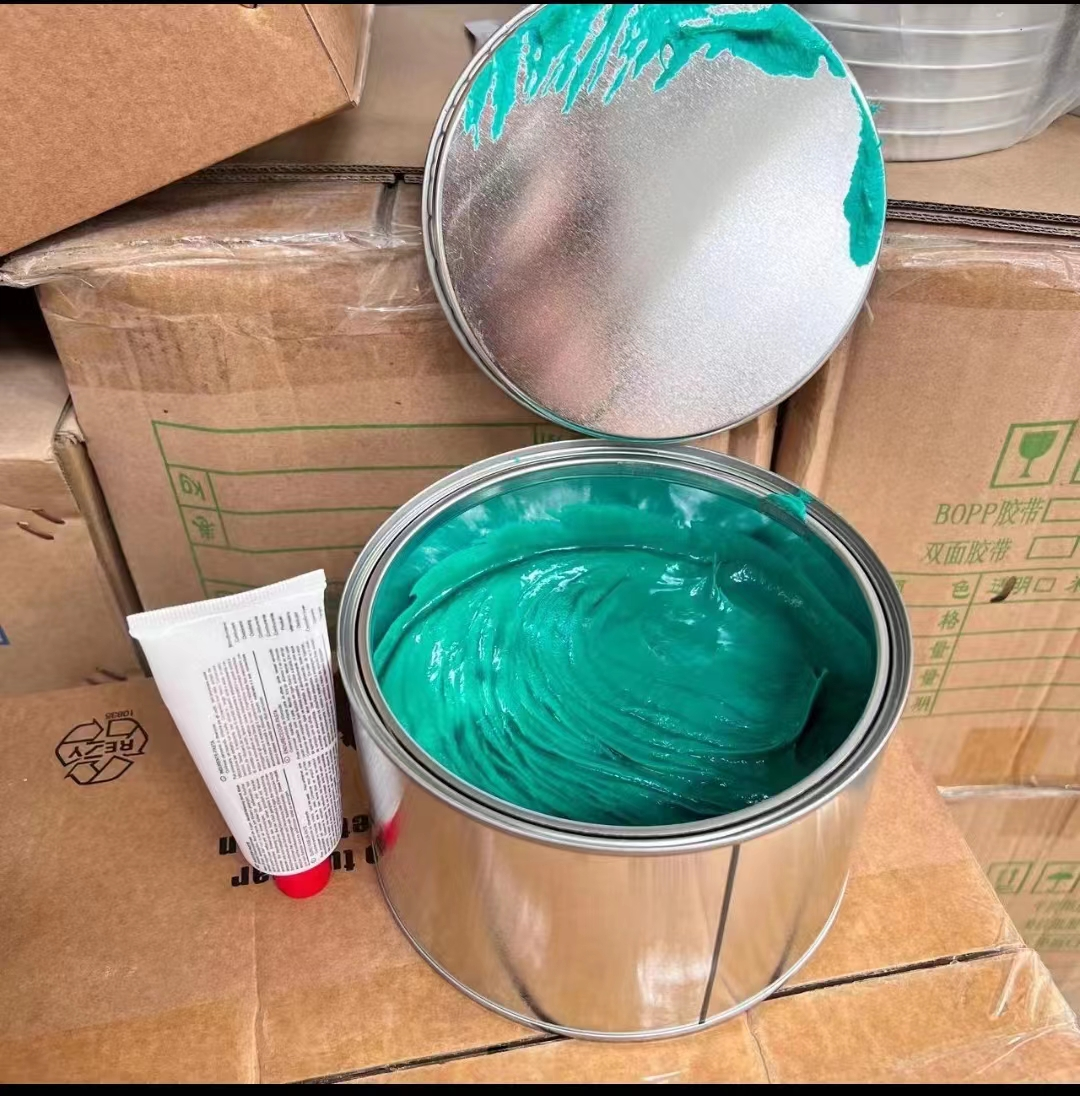
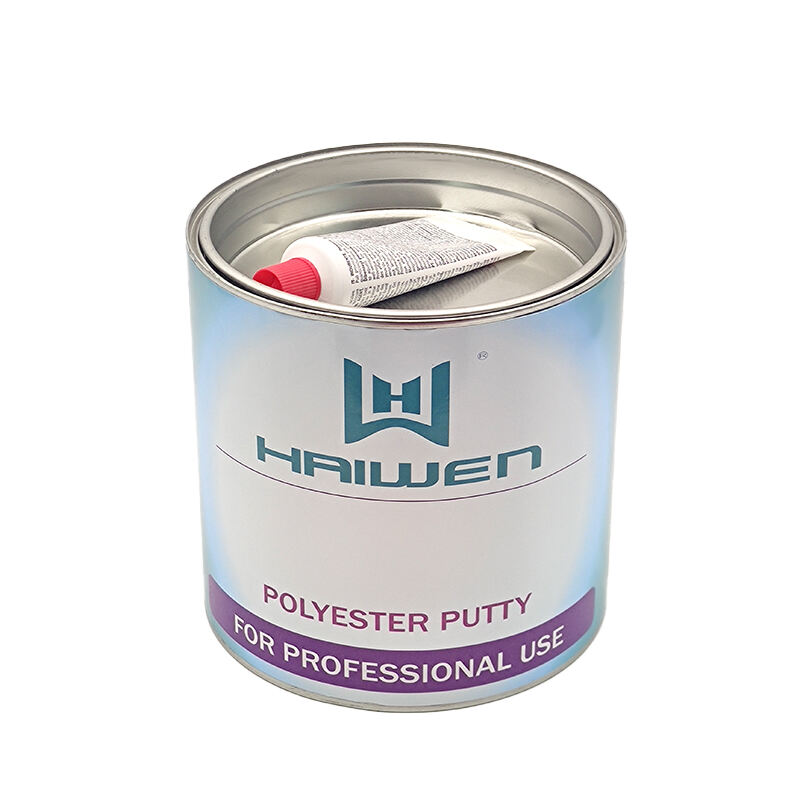
Flexible poly putty represents a significant advancement in automotive collision repair technology, offering unique properties that address the specific challenges faced by body shop professionals. This specialized repair material combines the workability of traditional putty with enhanced flexibility characteristics that make it particularly suitable for modern vehicle repairs where movement and vibration resistance are critical factors.
Understanding the advantages of flexible poly putty in collision repair applications requires examining how this material responds to the dynamic stresses that repaired vehicles encounter during normal operation. Unlike rigid repair compounds that can crack or separate under stress, flexible poly putty maintains its bond integrity while accommodating the natural flex patterns of automotive body panels, particularly in areas subject to frequent movement or thermal expansion.
Enhanced Durability and Longevity Benefits
Superior Crack Resistance Properties
The primary advantage of flexible poly putty lies in its exceptional crack resistance, which stems from its formulation that allows controlled movement without structural failure. Traditional rigid putties often develop hairline cracks when subjected to the thermal cycling and mechanical stresses common in automotive environments. Flexible poly putty addresses this limitation by incorporating elastomeric properties that enable the repair to flex with the substrate material.
This crack resistance becomes particularly valuable in high-stress areas such as door edges, fender wells, and panel joints where conventional repairs frequently fail. The flexible nature of this putty allows it to absorb and distribute stress across the repair area rather than concentrating it at specific points that could lead to failure. Professional body shops report significantly reduced comeback rates when using flexible poly putty in these critical applications.
Extended Service Life Under Dynamic Conditions
The extended service life provided by flexible poly putty translates directly into improved customer satisfaction and reduced warranty claims for collision repair facilities. This material maintains its integrity under the constant vibration and movement that vehicles experience during normal operation, conditions that can cause rigid repairs to deteriorate over time.
Temperature fluctuations, which cause expansion and contraction cycles in automotive body panels, are better accommodated by flexible poly putty compared to traditional alternatives. This thermal stability ensures that repairs remain intact through seasonal temperature changes and the heat cycles generated by engine operation, exhaust systems, and brake components.
Application Versatility and Performance Characteristics
Compatibility with Modern Vehicle Construction
Modern vehicles increasingly incorporate lightweight materials and advanced construction techniques that demand repair materials capable of matching the flexibility characteristics of the original components. Flexible poly putty excels in these applications by providing repair solutions that complement rather than compromise the engineered flexibility of contemporary automotive designs.
The material's compatibility extends to various substrate types commonly found in modern collision repair, including steel, aluminum, and composite materials. This versatility allows body shops to standardize on a single repair material for multiple applications, simplifying inventory management while ensuring consistent repair quality across different vehicle types and construction methods.
Workability and Processing Advantages
From a technician perspective, flexible poly putty offers superior workability characteristics that enhance both repair quality and efficiency. The material can be applied in thicker sections without the sagging or settling issues common with some traditional putties, allowing for more aggressive repair approaches in severely damaged areas.
The extended working time of flexible poly putty provides technicians with greater control over the repair process, reducing the likelihood of rush-related defects and allowing for more precise contouring and blending. This extended pot life is particularly beneficial in complex repairs where multiple areas must be addressed simultaneously or where environmental conditions might otherwise accelerate cure times.
Economic and Operational Benefits for Body Shops
Reduced Rework and Warranty Claims
The economic advantages of flexible poly putty become apparent when considering the total cost of collision repairs beyond initial material costs. The superior durability and flexibility of this material significantly reduce the incidence of repair failures that necessitate rework, which can be extremely costly for body shops both in terms of direct labor costs and customer relationship impacts.
Warranty claim reductions associated with flexible poly putty use can be substantial, particularly for shops working with high-end vehicles or in markets where customer expectations for repair longevity are elevated. The material's ability to maintain repair integrity over extended periods translates into improved shop reputation and increased customer retention rates.
Improved Workflow Efficiency
Flexible poly putty contributes to improved workflow efficiency through its forgiving application characteristics and reduced need for re-preparation of failed repairs. The material's self-leveling properties and excellent adhesion reduce the time required for surface preparation and minimize the risk of application errors that could delay job completion.
The reduced cure time variability of flexible poly putty allows for more predictable scheduling of subsequent repair steps, improving overall shop throughput and reducing work-in-process inventory. This predictability is particularly valuable in high-volume repair environments where scheduling efficiency directly impacts profitability.
Technical Performance in Challenging Repair Scenarios
High-Stress Area Applications
Collision repair often involves areas of vehicles that experience significant mechanical stress during normal operation, such as suspension mounting points, structural joints, and areas adjacent to engine mounts. Flexible poly putty provides distinct advantages in these challenging applications by maintaining repair integrity under the dynamic loading conditions that would cause rigid repairs to fail.
The material's ability to flex with surrounding structures while maintaining its bond strength makes it particularly suitable for repairs near moving components or in areas where vibration transmission is a concern. This flexibility prevents the concentration of stress at repair boundaries, which is often the initiation point for repair failures in high-stress applications.
Environmental Resistance and Stability
Flexible poly putty demonstrates superior resistance to environmental factors that commonly cause degradation of automotive repair materials. The material maintains its flexibility and adhesion properties when exposed to moisture, road salt, and temperature extremes that are encountered in normal vehicle service.
Chemical resistance is another important advantage, particularly in areas where exposure to automotive fluids, cleaning chemicals, or road treatments might compromise traditional repair materials. The stable chemistry of flexible poly putty ensures that repairs maintain their integrity even when exposed to these potentially degrading substances over extended periods.
FAQ
How does flexible poly putty compare to traditional body fillers in terms of application difficulty?
Flexible poly putty is generally easier to apply than traditional rigid fillers due to its self-leveling properties and extended working time. The material requires less precise timing during application and provides more forgiveness for minor application errors, making it suitable for technicians with varying skill levels while still delivering professional-quality results.
Can flexible poly putty be used on all types of vehicle damage?
While flexible poly putty is suitable for most collision repair applications, it is particularly advantageous for repairs in areas subject to movement or stress. It may not be the optimal choice for purely cosmetic repairs in completely rigid areas where maximum hardness is preferred, though it will still provide excellent results in these applications.
What is the typical cure time for flexible poly putty compared to conventional alternatives?
Flexible poly putty typically cures within a similar timeframe to high-quality conventional putties, usually achieving sufficient hardness for sanding within 30-60 minutes under normal shop conditions. The cure time can be adjusted through temperature control and proper mixing ratios to accommodate specific workflow requirements.
Does using flexible poly putty require special surface preparation techniques?
Surface preparation for flexible poly putty follows standard collision repair protocols, though the material's excellent adhesion properties may allow for slightly less aggressive surface preparation in some applications. Proper cleaning and mechanical preparation remain essential for optimal results, but the material is more forgiving of minor surface preparation variations than some traditional alternatives.
Table of Contents
- Enhanced Durability and Longevity Benefits
- Application Versatility and Performance Characteristics
- Economic and Operational Benefits for Body Shops
- Technical Performance in Challenging Repair Scenarios
-
FAQ
- How does flexible poly putty compare to traditional body fillers in terms of application difficulty?
- Can flexible poly putty be used on all types of vehicle damage?
- What is the typical cure time for flexible poly putty compared to conventional alternatives?
- Does using flexible poly putty require special surface preparation techniques?
