 EN

Negotiating prices on wholesale automotive paint requires strategy, market knowledge, and clear communication with bulk automotive paint suppliers. Whether you operate an auto body shop, fleet maintenance facility, or industrial painting operation, understanding how to secure favorable pricing can significantly impact your bottom line. The key to successful negotiation lies in preparing thoroughly, understanding supplier cost structures, and leveraging your purchasing power effectively.
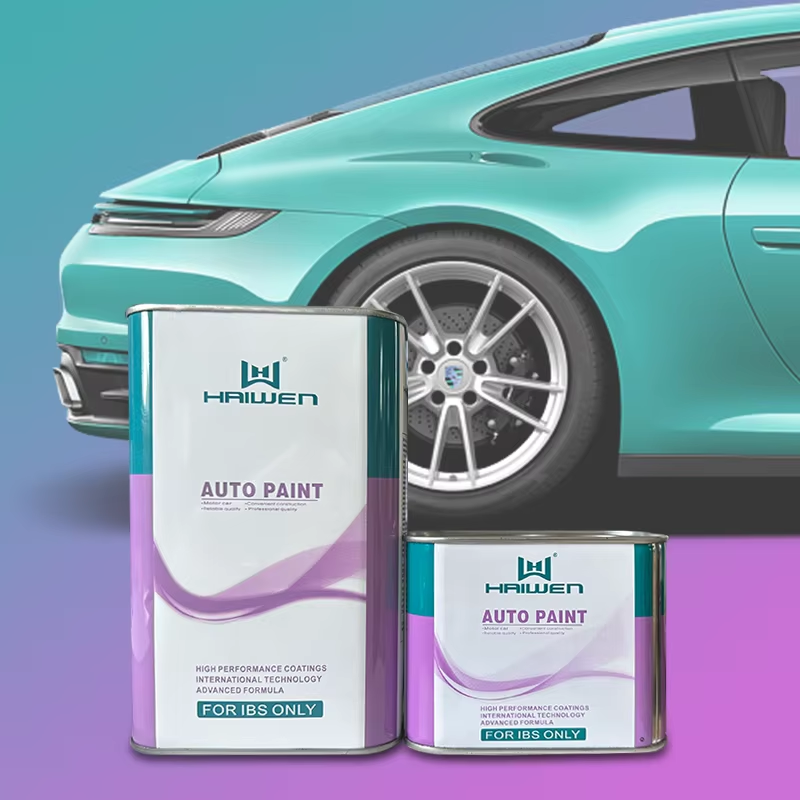
The wholesale automotive paint market operates on volume-based pricing, where larger orders typically command better unit costs. Before entering negotiations, research current market rates, competitive offerings, and industry benchmarks. Understanding what similar businesses pay for wholesale automotive paint gives you credible negotiating positions and prevents overpaying.
Understanding Supplier Pricing Structure
Cost Components and Margin Analysis
Suppliers establish pricing based on raw material costs, manufacturing overhead, distribution expenses, and profit margins. When negotiating with bulk automotive paint suppliers, request transparent breakdowns of these components. Understanding whether pricing includes freight, packaging, or handling fees helps identify where savings can occur. Many suppliers build flexibility into quotes specifically for volume commitments or long-term contracts.
Industrial auto body paint application requirements vary significantly by customer needs. Standard single-stage paints, clear coats, and specialty finishes carry different cost structures. Requesting detailed quotes for your specific applications demonstrates professionalism and creates opportunities to optimize formulations without sacrificing quality. Suppliers often reward customers who specify exact requirements over vague bulk requests.
Volume Tiers and Bulk Discounts
Wholesale automotive paint suppliers typically offer tiered pricing that rewards larger order quantities. Understanding these thresholds before negotiating allows you to position your business strategically. A 5-gallon pail might cost significantly more per unit than a 55-gallon drum, while pallet quantities unlock additional savings. Calculate your annual consumption accurately to determine which volume tier aligns with your operational needs and storage capacity.
Effective Negotiation Strategies
Building Relationships and Demonstrating Loyalty
Long-term supplier relationships create negotiating advantages that single-transaction pricing cannot replicate. Suppliers invest in customers they expect to serve repeatedly, making them more willing to negotiate favorable terms for committed partners. Demonstrate your commitment through consistent ordering patterns, prompt payment, and clear communication about your growth trajectory. Many bulk automotive paint suppliers offer loyalty discounts or extended payment terms to valued accounts.
Car paint color matching systems integration adds another layer to supplier value. Suppliers who provide technical support, digital color databases, or formulation assistance become partners rather than simple vendors. When negotiating, emphasize how their technical capabilities reduce your waste, improve efficiency, and support your quality standards. This positions negotiations beyond simple price reduction toward total value optimization.
Leveraging Competition and Market Data
Obtaining competitive quotes creates leverage without being adversarial. Contact multiple bulk automotive paint suppliers and request detailed proposals that itemize pricing, delivery schedules, technical specifications, and support services. Use this information to identify industry pricing ranges and benchmark your current costs. Present competitive quotes professionally to your preferred suppliers as opportunities for them to retain or win your business.
Market research tools, industry publications, and trade associations provide objective pricing data that strengthens negotiating positions. Referencing industry benchmarks demonstrates you've done homework and expect fair market pricing. This approach works particularly well when discussing industrial auto body paint application products where specifications and quality standards are comparable across suppliers.
Structuring Favorable Agreements
Contract Terms and Payment Options
Negotiating extends beyond unit pricing into contract structure and payment arrangements. Extended payment terms, such as net-30 or net-60 accounts, provide cash flow advantages that effectively reduce your true cost. Some suppliers offer volume discounts for prepayment or early payment incentives that further improve pricing. Discuss which payment options work best for your business and how they influence pricing discussions.
Wholesale automotive paint contracts should specify delivery schedules, minimum order quantities, price-hold periods, and renewal terms. Securing locked-in pricing for 12 months provides budget certainty while protecting against market fluctuations. For bulk automotive paint suppliers offering price locks, verify whether they apply to all products or specific formulations. Clear contract language prevents disputes and builds foundation for productive long-term relationships.
Volume Commitments and Exclusive Arrangements
Suppliers often provide significant discounts in exchange for committed volume purchases or exclusive supplier arrangements. Before committing exclusively, ensure the supplier can reliably meet your quality, delivery, and technical support requirements. Calculate whether exclusive arrangements truly deliver savings or simply lock you into higher costs. For many operations, slightly higher per-unit pricing from reliable car paint color matching systems integration outweighs minimal savings from exclusive poorly-performing suppliers.
FAQ
What factors most influence wholesale automotive paint pricing?
Wholesale automotive paint pricing is driven by raw material costs, order volume, delivery distance, technical specifications, and market demand. Resin and pigment costs fluctuate with crude oil prices and commodity markets. Volume commitments trigger tiered pricing structures, while specialized formulations for industrial auto body paint application command premium pricing. Geographic location affects freight costs, with suppliers typically offering better pricing for local or regional customers.
How can small auto body shops negotiate effectively with bulk automotive paint suppliers?
Small shops should focus on consistent ordering patterns, accurate consumption forecasting, and professional communication. Joining purchasing cooperatives or industry associations sometimes provides collective negotiating power. Building relationships with distributor sales representatives creates advocates who support your pricing discussions internally. Many suppliers recognize that small shops provide steady recurring revenue, making them worth accommodating on pricing within margin constraints.
Should we lock in prices or maintain flexibility with multiple suppliers?
Locking in prices provides budget certainty and typically yields better rates, but maintaining 2-3 qualified suppliers protects against supply disruptions and ensures competitive pressure. The optimal approach depends on your operational stability, cash flow predictability, and the reliability of your primary suppliers. For industrial auto body paint application with stable demand, price locks make sense. For fluctuating businesses, maintaining supplier flexibility prevents being trapped by unfavorable long-term commitments.