
 EN
Mixing two-component epoxy primer correctly is essential for achieving a durable, protective coating on metal surfaces. When these components combine improperly, you risk compromised adhesion, uneven curing, and premature coating failure. Understanding the precise mixing technique, ratio requirements, and handling procedures ensures your protective layer performs as intended throughout its service life.
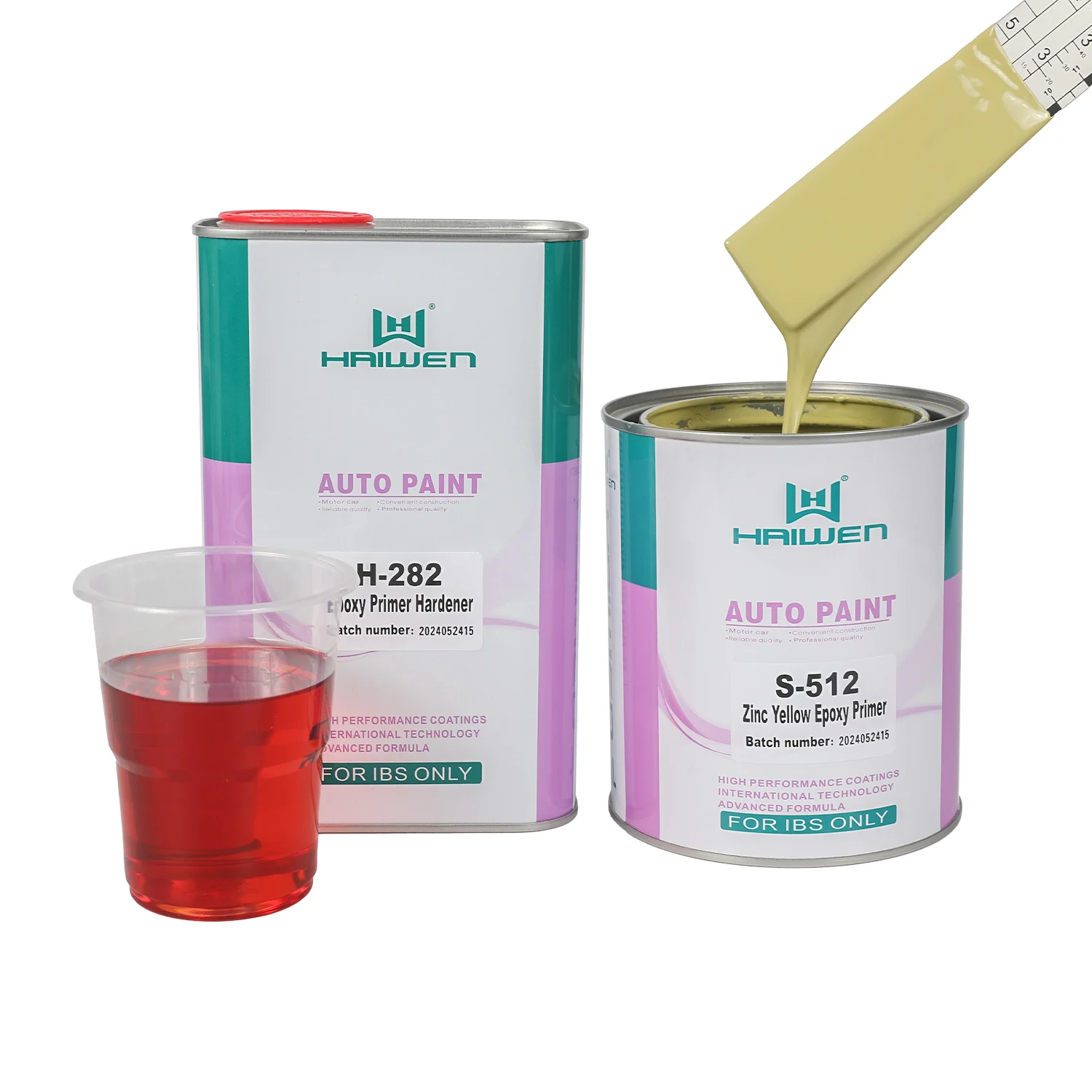
Two-component epoxy primer systems consist of a resin base and a hardener catalyst. These materials remain stable separately but must be combined at the exact moment of application. The chemical reaction between components initiates curing, which is why timing, proportion accuracy, and thorough mixing directly influence coating quality, adhesion strength, and resistance to environmental exposure on metal substrates.
Understanding Epoxy Primer Composition and Mixing Ratios
Component Identification and Measurement
Before beginning, identify which container holds the epoxy primer resin and which holds the hardener. Manufacturers always specify the mixing ratio on product labels, typically expressed as parts by volume or weight. Common ratios include 2:1, 1:1, or 4:1, depending on the formulation. Deviating from the recommended ratio compromises the chemical reaction, potentially causing tackiness, soft curing, or excessive brittleness. Use calibrated measuring cups or graduated containers to ensure accuracy, especially for larger batches intended for extensive epoxy primer application methods on industrial metal surfaces.
Temperature and Environmental Conditions
Temperature directly affects epoxy primer drying time and curing behavior. Most two-component systems cure fastest between 60–85°F (15–29°C), and manufacturer guidelines specify optimal working conditions. Cold temperatures slow the chemical reaction, extending epoxy primer drying time and creating sticky, difficult-to-apply finishes. Heat accelerates curing but risks premature skin formation, reducing working time and complicating application. Store both components in climate-controlled conditions before mixing, and allow them to reach room temperature if they have been stored in cold environments.
Mixing Procedures for Two-Component Epoxy Primer
Step-by-Step Mixing Process
Pour the epoxy primer resin base into a clean, dry container first. Add the hardener according to the manufacturer-specified ratio, then stir slowly and deliberately for a full two to three minutes. Use a stir stick or paddle to blend thoroughly, ensuring no unmixed material remains at the container bottom or edges. Work the mixture methodically from the center outward, breaking up any streaks of concentrated hardener. Scrape the container sides and bottom repeatedly to ensure complete homogenization. Proper mixing eliminates white streaks, swirls, or color variations that indicate incomplete blending.
Avoiding Common Mixing Errors
Never add more hardener to accelerate epoxy primer drying time—excess hardener creates brittle, stress-prone coatings that fail under thermal cycling and mechanical stress. Conversely, insufficient hardener leaves soft, tacky surfaces that never fully cure. Avoid mixing in direct sunlight or near heat sources; use shaded, ventilated spaces. Do not stir rapidly or vigorously, as this traps air bubbles that become defects in the final coating. If bubbles form, allow the mixed epoxy primer to rest for five to ten minutes before application, permitting bubbles to rise and escape naturally.
Application Techniques and Epoxy Primer Drying Time
Optimal Application Methods
After mixing, the epoxy primer is ready for immediate application to metal surfaces. Working time varies by formulation, typically ranging from 30 minutes to two hours; check the product datasheet for specific epoxy primer application methods. Apply thin, even coats using a brush, roller, or spray equipment appropriate for your substrate. For metal surfaces, ensure the substrate is clean, dry, and free of rust, oil, or contamination—these interfere with adhesion. Work methodically to maintain wet edges and avoid lap marks. Thinner coats dry more uniformly and cure more thoroughly than thick applications.
Epoxy Primer Drying Time and Curing Specifications
Surface drying of epoxy primer typically occurs within four to eight hours, depending on temperature and film thickness. However, epoxy primer drying time for mechanical handling or light sanding generally extends to 24 hours. Full epoxy primer drying time and curing to maximum hardness can require 7 to 14 days, during which the chemical cross-linking reaction completes. Do not expose the coating to moisture, temperature extremes, or mechanical stress during the initial curing window. Many industrial applications demand seven-day cure before topcoat application or equipment operation. Premature topcoating or exposure traps uncrosslinked material, leading to adhesion failure and coating breakdown.
Quality Assurance and Problem Prevention
Verifying Proper Mixing and Coverage
After applying epoxy primer to metal surfaces, observe the coating surface for uniform gloss, color consistency, and absence of streaks or bare spots. Any visible variation suggests incomplete mixing of the original components. Use a dry film thickness gauge to confirm coating depth meets specification, typically between 3–5 mils for single coats. If thickness is inadequate, plan a second coat after proper epoxy primer drying time has elapsed. Inspect cured samples or test panels under typical end-use conditions to validate hardness, flexibility, and adhesion before full production application.
Troubleshooting Curing Issues
If the cured epoxy primer remains soft, sticky, or slow to harden after the prescribed time, mixing ratio errors or incomplete blending are likely causes. Cold ambient temperature also extends epoxy primer drying time substantially. To prevent recurrence, verify component ratios against the product label, measure precisely using calibrated tools, and stir for the full recommended duration. Store unmixed components at recommended temperatures and inspect for separation or settling before use. If a batch fails to cure properly, do not apply additional coats; instead, remove the defective coating and restart with a fresh mix following all procedures correctly.
FAQ
What happens if I mix the wrong ratio of epoxy primer components?
Incorrect ratios disrupt the chemical cross-linking reaction. Excess resin leaves a soft, tacky surface, while excess hardener produces brittle, stress-prone coatings prone to cracking. Always follow the manufacturer-specified ratio precisely and use calibrated measuring tools to ensure accuracy.
How does temperature affect epoxy primer drying time and curing?
Lower temperatures significantly extend epoxy primer drying time and curing. At 50°F, full cure may take 3–4 weeks compared to 7–14 days at 70°F. Optimal curing occurs between 60–85°F. Excessive heat accelerates curing but reduces working time and risks surface defects, so maintain stable, moderate temperatures during application and cure.
Can I apply a topcoat before epoxy primer drying time is complete?
No. Applying topcoat before full epoxy primer drying time and curing traps uncrosslinked material, leading to adhesion failure and coating breakdown. Follow the manufacturer-specified cure time, typically 7 days, before topcoating. Premature topcoating voids the protective system's performance and durability guarantees.