
 EN
EN
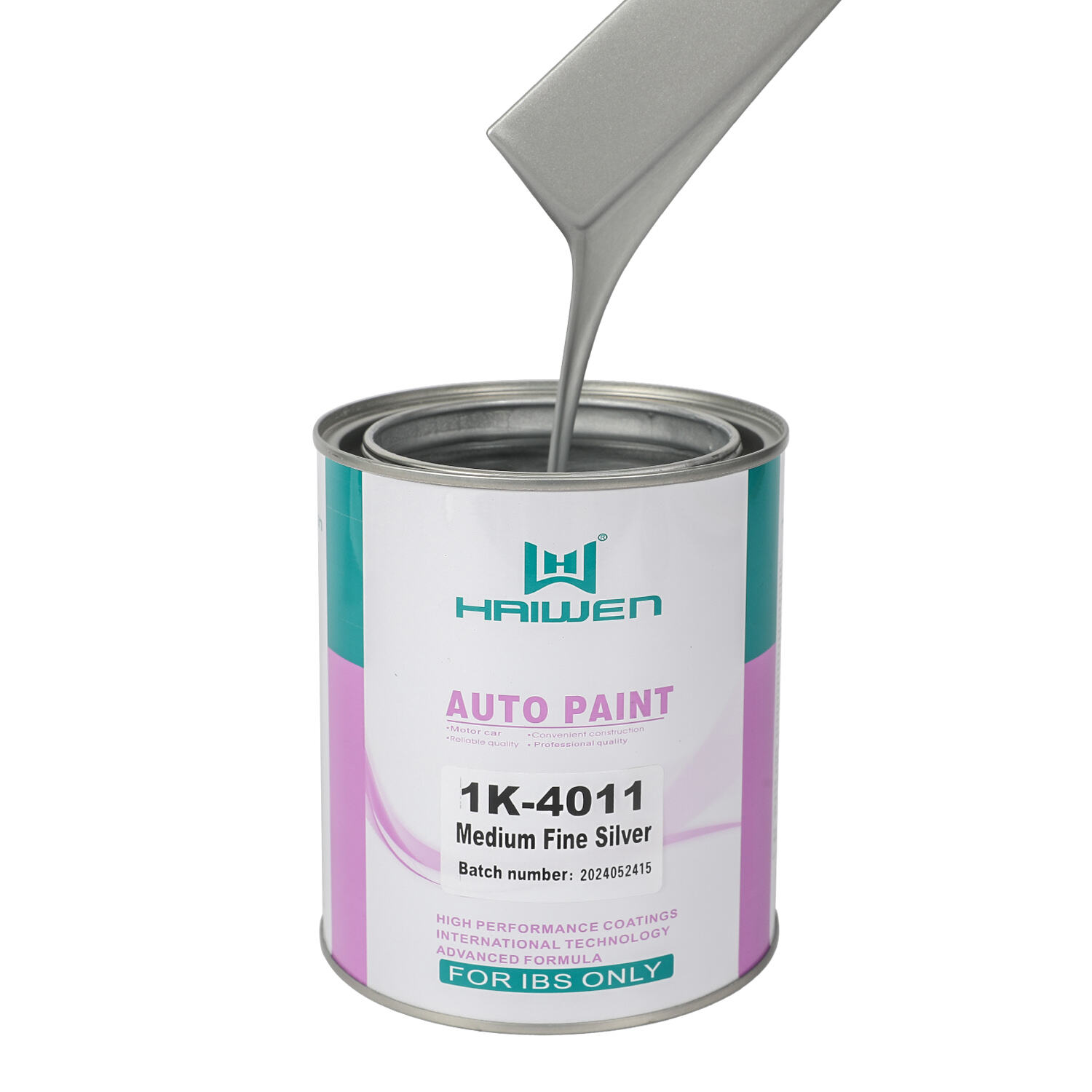
Modern otomotiv kaplama sistemleri, sıcaklık dalgalanmaları, aşındırıcı unsurlar ve mekanik stres gibi faktörlerin koruyucu yüzeyleri hızla bozabileceği aşırı çevre koşullarında benzeri görülmemiş zorluklarla karşı karşıyadır. Profesyonel karoseri atölyeleri ve kaplama uzmanları, sert işletme koşullarına dayanıklı sağlam temel katmanlar oluşturmak için gelişmiş astar teknolojilerine giderek daha fazla güvenmektedir. Araçlar, tuz sisine maruz kalan kıyı bölgelerinde, kimyasal kirleticilere maruz kalan sanayi bölgelerinde veya termal çevrimlerin düzenli olarak gerçekleştiği aşırı iklim koşullarında çalıştığında uygun astar sistemlerinin seçilmesi hayati önem taşır. Farklı astar formülasyonlarının bu zorlu koşullar altında nasıl performans gösterdiğinin anlaşılması, kaplama profesyonellerinin araçların işletme ömrü boyunca hem estetik çekiciliği hem de yapısal bütünlüğü koruyan uzun ömürlü koruma sağlamasını mümkün kılar.
Kimyasal Bileşim ve Performans Özellikleri
Gelişmiş Epoksi Reçine Teknolojisi
Temel dayanıklılığı 2K Epoksi Primer sistemlerin, doğru şekilde sertleştirildiğinde olağanüstü dayanıklı moleküler bağlar oluşturan gelişmiş çapraz bağlantı kimyasından kaynaklanır. Bu iki-bileşenli formülasyonlar, epoksi reçinelerini poliamid veya poliamin sertleştiricileriyle birleştirerek, üç boyutlu bir polimer ağ üreten bir termoset reaksiyonu başlatır. Bu kimyasal yapı, tek bileşenli alternatiflere kıyasla üstün mekanik özellikler sağlar; bunlar arasında artırılmış çekme mukavemeti, darbe direnci ve boyutsal kararlılık yer alır. Çapraz bağlı ağ aynı zamanda mükemmel kimyasal direnç gösterir ve bu nedenle otomotiv sıvılarına, yol tuzlarına ve atmosferik kirleticilere maruz kalınması kaçınılmaz olan uygulamalar için özellikle uygundur.
Modern 2K epoksi astar formülasyonları, temel çapraz bağlanma sürecini zedelemeksizin belirli performans özelliklerini artıran gelişmiş katkı maddeleri içerir. Korozyon önleyiciler, örneğin çinko fosfat veya organik bileşikler, elektrokimyasal bozunma süreçlerine karşı aktif koruma sağlar. Reoloji düzenleyicileri, sertleşme süreci boyunca film bütünlüğünü korurken optimum uygulama özelliklerini sağlar. Bu dikkatle dengelenmiş formülasyonlar, değişen çevre koşulları altında tutarlı bir performans sunar ve sonraki üst kaplama sistemleri için gerekli güvenilir temeli oluşturur.
Yapışma ve Alt Tabaka Uyumu
2K epoksi astar sistemlerinin olağanüstü yapışma özellikleri, otomotiv uygulamalarında yaygın olarak bulunan çeşitli alt tabaka malzemeleriyle güçlü arayüz bağları oluşturabilme yeteneğinden kaynaklanır. Çelik, alüminyum, galvanizli yüzeyler ve çeşitli kompozit malzemeler, astarın çok yönlü yapışma özelliklerinden faydalanır. Epoksi ana yapısı, astarın yüzey pürüzlülüklerine nüfuz edebilmesini ve uygun şekilde hazırlanmış alt tabakalarla mekanik kilitlenme oluşturmasını sağlayan mükemmel ıslatma özelliklerine sahiptir. Bu kapsamlı yapışma mekanizması, kaplama sisteminin araç çalıştırılırken termal genleşme, titreşim ve mekanik stres gibi etkiler altında bile bütünlüğünü korumasını sağlar.
İdeal 2K epoksi astar yapışması için yüzey hazırlığı gereksinimleri, temizliğin ve uygun profil geliştirilmesinin önemini vurgular. Doğru yağ giderme işlemi, kimyasal bağlanmayı engelleyebilecek kirleticileri kaldırır; buna karşılık kontrollü aşındırma işlemi, mekanik yapışma için gerekli yüzey dokusunu oluşturur. Astarın küçük yüzey kusurlarını telafi edebilme yeteneği, tam alt tabaka koşullarının sağlanmasının zor olabileceği onarım uygulamalarında özellikle değerlidir. Ancak tutarlı hazırlık standartlarının korunması, farklı uygulama senaryoları boyunca öngörülebilir performans sağlamayı garanti eder.
Ekstrem Sıcaklık Performansı
Termal Döngü Direnci
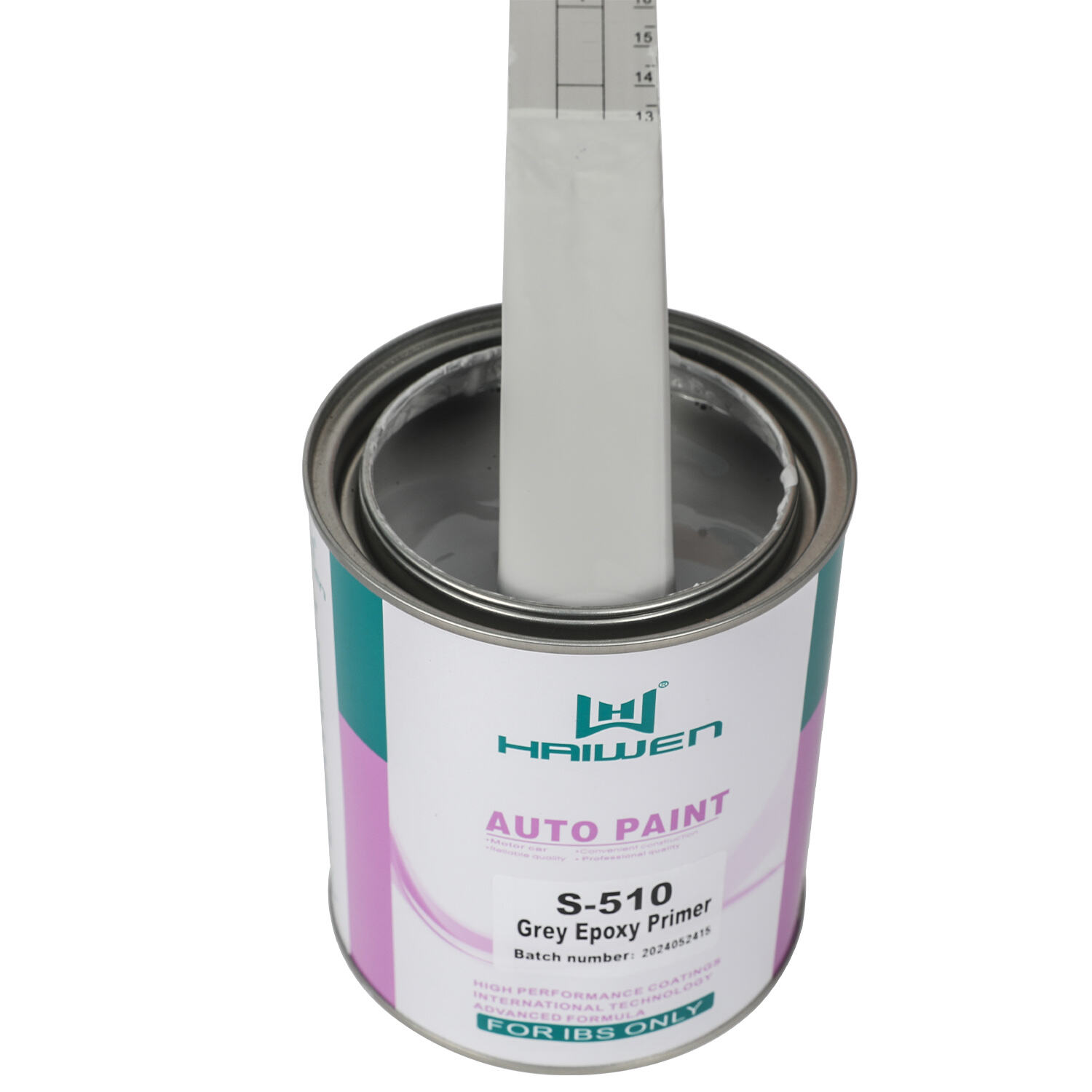
Otomotiv kaplamaları, araçların normal kullanım sırasında karşılaştığı uç sıcaklık değişimlerine dayanabilmelidir; bu değişimler, eksi derecelere kadar inen kış koşullarından motor bölmesinde görülen ve tipik atmosferik aralıkları aşan yüksek sıcaklıklara kadar uzanır. 2K Epoksi Primer bu sistemler, geleneksel astarların başarısız olabileceği yerlerde koruyucu özelliklerini ve boyutsal bütünlüklerini koruyarak bu termal döngüler boyunca olağanüstü bir kararlılık gösterir. Çapraz bağlı polimer yapısı, gerilim çatlaklarının oluşmasına veya alt tabakaya yapışmanın kaybolmasına neden olmadan termal genleşme ve büzülme süreçlerine uyum sağlar.
Termal döngü performansını değerlendirmek amacıyla özel olarak tasarlanan laboratuvar test protokolleri, kaplanmış numuneleri görünür kusurlar, yapışma kaybı veya mekanik özelliklerde bozulma açısından izlenirken tekrarlayan aşırı sıcaklık koşullarına maruz bırakır. Yüksek kaliteli 2K epoksi astar formülasyonları, bu zorlayıcı değerlendirmeleri tutarlı bir şekilde geçerek termal stresin ana başarısızlık mekanizması olduğu uygulamalara uygunluklarını kanıtlar. Astarın termal kararlılığı, çok katmanlı kaplama sistemlerinin genel dayanıklılığına da katkı sağlar ve tüm koruyucu şemayı tehlikeye atabilecek kabuklanmayı (delaminasyonu) önler.
Düşük sıcaklık esnekliği
Soğuk hava koşullarında çalışmak, otomotiv kaplamaları için benzersiz zorluklar yaratır; çünkü düşen sıcaklıklar polimer filmlerin kırılgan hale gelmesine ve mekanik gerilim altında çatlak yayılmasına neden olabilir. Gelişmiş 2K epoksi astar formülasyonları, donma noktasının çok altındaki sıcaklıklarda bile film esnekliğini koruyan esneklik artırıcı maddeler içerir. Bu düşük sıcaklık performansı, astar katmanının kış dönemi operasyonu sırasında etkili bir bariyer koruması sağlamaya devam etmesini ve hem alt tabaka hem de sonraki kaplama katmanlarına yapışmasını sürdürmesini sağlar.
Daha düşük sıcaklıklarda darbeye dayanıklılık testi, astarın soğuk hava koşullarında sürüş sırasında yaygın olarak meydana gelen çakıl taşları ile çarpma, küçük çarpışmalar ve diğer mekanik hasarlara karşı dayanma yeteneği hakkında değerli bilgiler sağlar. Uygun şekilde formüle edilmiş 2K epoksi astar sistemlerinin korunan esnekliği, yüzeydeki hasarların ilerleyerek alt tabakaya ulaşabilecek daha büyük kusurlara dönüşmesini engeller; bu da alt tabakayı aşındırıcı etkenlere maruz bırakmayı önler. Bu koruyucu özellik, yol tuzunun kullanımı ve donma-çözülme döngülerinin araç kaplamaları için özellikle zorlu çalışma koşulları yarattığı bölgelerde özellikle değerlidir.
Korozyon Koruma Mekanizmaları
Bariyer Koruması Özellikleri
2K epoksi astar sistemlerinin sağladığı birincil korozyon koruma mekanizması, nem, oksijen ve iyonik türlerin metal alt tabakaya ulaşmasını engelleyen etkili bir bariyer oluşturmayı içerir. Yoğun, çapraz bağlı polimer yapısı, bu korozyona neden olan maddelere karşı son derece düşük geçirgenlik gösterir ve böylece korozyon süreçlerini yönlendiren elektrokimyasal reaksiyonları önemli ölçüde azaltır. Bariyer etkinliğini maksimize etmek için film kalınlığının optimizasyonu hayati öneme sahiptir; çünkü yetersiz kaplama, hassas bölgelerde açıklıklara neden olurken, aşırı uygulama mekanik özelliklerde bozulmaya veya diğer kaplama hatalarına yol açabilir.
Yüksek kaliteli 2K epoksi astar filmlerinin su buharı geçirgenlik oranları, genellikle geleneksel kaplama sistemlerine kıyasla birkaç basamak daha düşüktür; bu da üstün bariyer özelliklerini gösterir. Bu azaltılmış geçirgenlik, korozyonun başlaması ve ilerlemesi için gerekli reaktif maddelerin ulaşılabilirliğini sınırlandırarak, tüm kaplama sisteminin kullanım ömrünü uzatır. Astarın bariyer özellikleri, film bütünlüğü uygun uygulama ve işleme prosedürleriyle korunduğu sürece uzun süreli kullanım dönemleri boyunca sabit kalır.
Aktif Korozyon Önleme
Pasif bariyer korumasının ötesinde, birçok 2K epoksi astar formülasyonu, kaplama sistemi yerel hasar veya bozulma yaşadığında ek koruma mekanizmaları sağlayan aktif korozyon inhibitörleri içerir. Çinko zengini astarlar, çelik alt tabakalara katodik koruma sağlayan çinko iyonları salgılar; organik inhibitörler ise metal yüzeyleri pasifleştirerek agresif iyonik türleri nötralize edebilir. Bu aktif koruma mekanizmaları, kaplama sistemlerinin yüksek sıcaklık, nem veya kimyasal maruziyet seviyeleri nedeniyle hızlandırılmış bozulma oranlarına maruz kaldığı aşırı ortamlarda özellikle değerlidir.
Aktif korozyon inhibisyonunun etkinliği, uygun inhibitör seçimi, konsantrasyon optimizasyonu ve diğer formül bileşenleriyle uyumluluk üzerine kuruludur. Modern 2K epoksi astar sistemleri, inhibitörlerin kaplamanın kullanım ömrü boyunca etkin kalmasını sağlamak amacıyla kapsamlı test ve geliştirme programları yoluyla bu dengeyi sağlar. Engelleyici koruma ile aktif inhibisyonun sinerjik kombinasyonu, araç çalışması sırasında yüzeyde hasar oluştuğunda bile alt tabakanın korunmasını sürdürebilen sağlam bir savunma sistemi oluşturur.
Kimyasal Dayanım ve Dayanıklılık
Çözücü ve Yakıt Direnci
Otomotiv ortamları, kaplamaları benzin, dizel yakıt, hidrolik sıvılar ve şişme, yumuşama veya yetersiz formüle edilmiş astar sistemlerinin çözünmesine neden olabilen temizlik çözücüler dahil olmak üzere çeşitli agresif kimyasallara maruz bırakır. İki bileşenli (2K) epoksi astarın çapraz bağlı yapısı, bu yaygın otomotiv kimyasallarına karşı olağanüstü direnç sağlar ve uzun süreli maruziyet dönemleri boyunca bile boyutsal kararlılığı ve mekanik özelliklerini korur. Bu kimyasal direnç, motor bölmesi, yakıt sistemi alanları ve normal araç çalıştırma ile bakım işlemlerinde kimyasal temasın kaçınılmaz olduğu diğer bölgelerde hayati öneme sahiptir.
Standartlaştırılmış kimyasal direnç testi protokolleri, belirli otomotiv sıvılarına karşı astar performansını kontrollü koşullar altında değerlendirir ve tanımlanmış maruziyet süreleri sonrasında ağırlık, kalınlık, sertlik ve görünümdeki değişiklikleri ölçer. Yüksek performanslı 2K epoksi astar formülasyonları, bu test parametrelerinde tutarlı olarak minimum değişiklik gösterir ve böylece zorlu otomotiv uygulamaları için uygunluklarını doğrular. Uzun süreli kullanım dönemleri boyunca korunan kimyasal direnç, astarın kimyasal olarak agresif ortamlarda bile etkili alt tabaka koruması ve üst kaplama yapıştırma özelliğini sürdürmesini sağlar.
UV Kararlılığı ve Hava Koşullarına Dayanıklılık
2K epoksi astar sistemleri genellikle koruyucu üst kaplama katmanlarının altında çalışırken, doğal olarak sahip oldukları UV dayanıklılığı, yapışma veya koruyucu özellikler üzerinde olumsuz etki yaratabilecek astar bozulmasını önleyerek çok katmanlı kaplama sistemlerinin genel dayanıklılığına katkı sağlar. Gelişmiş formülasyonlar, UV dayanıklı reçine sistemleri ve foto-kimyasal bozulma süreçlerine direnç gösteren dikkatle seçilmiş katkı maddeleri içerir. Bu dayanıklılık, üst kaplamanın hasar görmesi nedeniyle astarın dışa maruz kalabileceği ya da tam üst kaplama örtüsünün sağlanmasının zor olduğu alanlarda özellikle önem kazanır.
Hızlandırılmış hava koşullarına dayanım testi, astar numunelerini yoğunlaştırılmış UV radyasyonuna, yüksek sıcaklıklara ve dış ortamda yıllarca süren maruziyeti sıkıştırılmış zaman dilimlerinde simüle eden nem döngülerine maruz bırakır. Kaliteli 2K epoksi astar sistemleri, bu zorlu test protokolleri boyunca temel özelliklerini korur ve gerçek dünya uygulamalarında uzun vadeli koruma sağlayabilme yeteneğini gösterir. UV kararlılığı, aynı zamanda renkli astar formülasyonlarında renk tutma özelliğine de katkı sağlar; böylece astar katmanı, zaman içinde sonraki kaplama katmanlarının görünümünü olumsuz etkilemez.
Aşırı Ortamlar İçin Uygulama Dikkat Edilmesi Gereken Hususlar
Yüzey Hazırlama Gereksinimleri
2K epoksi astar sistemlerinden aşırı ortamlarda optimal performans elde etmek, maksimum yapışmayı sağlamak ve potansiyel başarısızlık başlangıç noktalarını ortadan kaldırmak için yüzey hazırlama prosedürlerine titizlikle dikkat etmeyi gerektirir. Kaplamalar hızlandırılmış bozulma mekanizmalarına maruz kalacaksa, alt tabaka temizliği özellikle kritik hâle gelir; çünkü herhangi bir kirletici, sistemin tamamını tehlikeye atan zayıf noktalar oluşturabilir. Yağ giderme prosedürleri, yağlar, mumlar ve işlem bileşenlerinin tüm izlerini uzaklaştırmalı; ancak aynı zamanda astarın yapışmasını engelleyebilecek yeni kirleticilerin tanımlanmasını önlemelidir.
Mekanik yüzey hazırlığı, astar yapışmasının en iyi şekilde sağlanabilmesi için gerekli dokuyu oluştururken aynı zamanda kaplama performansını olumsuz etkileyebilecek oksit tabakalarını, pas tabakasını ve diğer yüzey koşullarını da kaldırır. Uygun aşındırma seviyesi, alt tabaka malzemesine ve durumuna bağlıdır; örneğin çelik, alüminyum veya kompozit malzemelere göre farklı bir işleme ihtiyaç duyar. Doğru yüzey hazırlığı, ayrıca yüzey hazırlama ile astar uygulaması arasındaki kirlenmeyi önleyen çevresel kontrolleri de içerir ve bu sayede hazırlanan yüzey, kaplama yapışması için en uygun durumda kalır.
Uygulama Ortamı Kontrolü
2K epoksi astar uygulaması sırasında ortam koşulları, özellikle kaplama uygulanan bileşenlerin aşırı çalışma ortamlarında kullanılacağı durumlarda, nihai kaplama özelliklerini ve performans karakteristiklerini önemli ölçüde etkiler. Sıcaklık ve nem kontrolü, sertleşme oranlarını, film oluşumunu ve çapraz bağlı polimer ağının nihai mekanik özelliklerini etkiler. Kontaminasyon kontrolü, kaplamanın agresif çalışma koşullarına maruz kaldığında arıza başlangıcı noktaları oluşturabilecek parçacıklar veya diğer kusurların entegre edilmesini önler.
Boya kabini koşulları, tutarlı astar uygulamasını sağlamak ve optimum kür özelliklerini elde etmek için dikkatli izlenmeli ve kontrol edilmelidir. Hava filtreleme sistemleri, yüzey görünümünü bozabilecek veya korozyon başlangıç noktaları oluşturabilecek partikülleri giderir. Uygun havalandırma, çözücü buharı konsantrasyonlarını güvenli ve etkili aralıklar içinde tutarken dış kaynaklardan kontaminasyonu da önler. Bu kontrollü koşullar, herhangi bir kusurun erken başarısızlığa yol açabileceği aşırı çalışma ortamları için kaplamalar hazırlanırken daha da kritik hâle gelir.
Performans Doğrulama ve Test Etme
Laboratuvar Test Protokolleri
2K epoksi astar sistemlerinin kapsamlı performans doğrulaması, aşırı otomotiv ortamlarında karşılaşılan özel zorlukları taklit eden karmaşık test protokolleri gerektirir. Tuz spreyi testi, kıyı bölgelerindeki yıllarca süren maruziyetin laboratuvar koşullarında yönetilebilir zaman dilimlerine sıkıştırıldığı hızlandırılmış koşullar altında korozyon direncini değerlendirir. Termal şok testi, kaplamalı numuneleri normal kullanım koşullarını aşan hızlı sıcaklık değişimlerine tabi tutar ve bu sayede termal gerilim ile genleşme katsayısı uyumsuzluklarından kaynaklanan olası arıza modlarını ortaya çıkarır.
Mekanik test protokolleri, astarın gerçek dünya yükleme koşullarını simüle eden darbe, bükülme ve çekme gerilmelerine maruz kaldığında yapışma kabiliyetini ve film bütünlüğünü koruma yeteneğini değerlendirir. Bu testler, saha performansıyla ilişkili film özelliklerine dair nicel veriler sağlar ve kaplama formülatörlerinin belirli uygulama gereksinimleri için bileşimleri optimize etmelerini sağlar. Çoklu test metodolojilerinin bir araya getirilmesi, zorlu otomotiv uygulamaları için malzeme seçimi sürecine rehberlik edecek kapsamlı bir performans profili oluşturur.
Saha Performansı ile İlişkilendirme
Laboratuvar test sonuçları, uzun süreler boyunca gerçek dünya koşullarında kaplama performansını izleyen saha maruziyet programları aracılığıyla doğrulanmalıdır. Bu programlar genellikle otomotiv kaplamalarının yaygın olarak karşılaştığı farklı iklim bölgelerini, endüstriyel ortamları ve işletme koşullarını temsil eden çoklu maruziyet alanlarından oluşur. Veri toplama, kaplamanın görünümüne, yapışma dayanımı kaybına, korozyon koruma etkinliğine ve uzun vadeli performans eğilimlerini gösteren genel dayanıklılık ölçümlerine odaklanır.
Laboratuvar testleri ile saha performansı arasındaki korelasyon, test protokollerinin geliştirilmesini ve formülasyon optimizasyon stratejilerinin iyileştirilmesini sağlar. Başarılı 2K epoksi astar sistemleri, hem laboratuvar değerlendirmeleri hem de saha maruziyeti programlarında tutarlı performans göstererek aşırı çevre koşullarında kullanım için uygunluklarını doğrular. Bu korelasyon süreci aynı zamanda bireysel test yöntemlerinde belirgin olmayabilecek potansiyel başarısızlık modlarını veya performans sınırlamalarını da ortaya çıkarır ve gelişmiş formülasyon teknolojilerinin geliştirilmesini destekler.
SSS
2K epoksi astarı, aşırı çevre koşullarında tek-bileşenli alternatiflere kıyasla neden daha üstün?
İki bileşenli çapraz bağlanma kimyası olan 2K epoksi astar, tek bileşenli sistemlere kıyasla üstün mekanik özellikler, kimyasal dayanıklılık ve termal kararlılık sağlayan üç boyutlu bir polimer ağı oluşturur. Bu çapraz bağlı yapı, daha basit kaplama formülasyonlarını bozabilecek aşırı sıcaklık dalgalanmaları, agresif kimyasallara maruziyet ve mekanik stres altında bütünlüğünü korur. Artırılmış dayanıklılık ve koruyucu özellikler, karıştırma ve uygulama prosedürlerindeki ek karmaşıklığı haklı çıkarır.
Zorlu koşullarda astar performansını etkileyen alt tabaka hazırlığı nasıl gerçekleşir?
Aşırı ortam uygulamaları için uygun alt tabaka hazırlığı, herhangi bir kirlilik veya yüzey kusurunun hızlandırılmış bozulma koşulları altında başarısızlık başlangıç noktası haline gelebileceği gerçeği nedeniyle daha da kritik hâle gelir. Detaylı yağ giderme işlemi, kimyasal bağlanmayı engelleyebilecek maddeleri uzaklaştırır; buna karşılık uygun mekanik hazırlama işlemi, optimum yapışma için gerekli yüzey dokusunu oluşturur. Astarın uzun vadeli koruma sağlama yeteneği, doğru yüzey hazırlama prosedürleriyle maksimum arayüz bağ dayanımı elde edilmesine büyük ölçüde bağlıdır.
Hangi çevresel faktörler, iki bileşenli epoksi astarın ömrünü en çok etkiler?
Sıcaklık döngüleri, kimyasal etkiler ve UV radyasyonu, aşırı koşullarda astarın kullanım ömrünü sınırlayabilecek temel çevresel faktörlerdir. Tekrarlayan genleşme ve büzülmeden kaynaklanan termal gerilim, nihayetinde yapışma başarısızlığına veya çatlak oluşumuna neden olabilir. Otomotiv sıvılarına, yol tuzlarına ve atmosferik kirleticilere maruz kalma, polimer ağı yapısını bozabilir veya bariyer özelliklerini zayıtabilir. Astar sistemleri genellikle koruyucu üst kaplamaların altında çalışsa da, UV ışınımı tam kapsamanın sağlanamadığı alanlarda uzun vadeli kararlılığı etkileyebilir.
Aşırı çalışma ortamları için uygulama teknikleri nasıl optimize edilebilir?
Aşırı ortamlar için 2K epoksi astar uygulamasını optimize etmek, sıkı çevresel kontrolleri, hassas karıştırma prosedürlerini ve uygun film kalınlığı yönetimini gerektirir. Püskürtme kabini koşulları, kusurlara neden olabilecek kirletici kaynakları ortadan kaldırırken doğru sıcaklık ve nem seviyelerini korumalıdır. Doğru karışım oranları, tam çapraz bağlanmayı ve optimal son özelliklerin elde edilmesini sağlar. Film kalınlığı, mekanik özellikleri zayıflatmadan veya erken başarısızlığa yol açabilecek uygulama kusurları oluşturmadan maksimum bariyer koruması sağlamak amacıyla optimize edilmelidir.
İçindekiler
- Kimyasal Bileşim ve Performans Özellikleri
- Ekstrem Sıcaklık Performansı
- Korozyon Koruma Mekanizmaları
- Kimyasal Dayanım ve Dayanıklılık
- Aşırı Ortamlar İçin Uygulama Dikkat Edilmesi Gereken Hususlar
- Performans Doğrulama ve Test Etme
-
SSS
- 2K epoksi astarı, aşırı çevre koşullarında tek-bileşenli alternatiflere kıyasla neden daha üstün?
- Zorlu koşullarda astar performansını etkileyen alt tabaka hazırlığı nasıl gerçekleşir?
- Hangi çevresel faktörler, iki bileşenli epoksi astarın ömrünü en çok etkiler?
- Aşırı çalışma ortamları için uygulama teknikleri nasıl optimize edilebilir?
