automotive factory paint
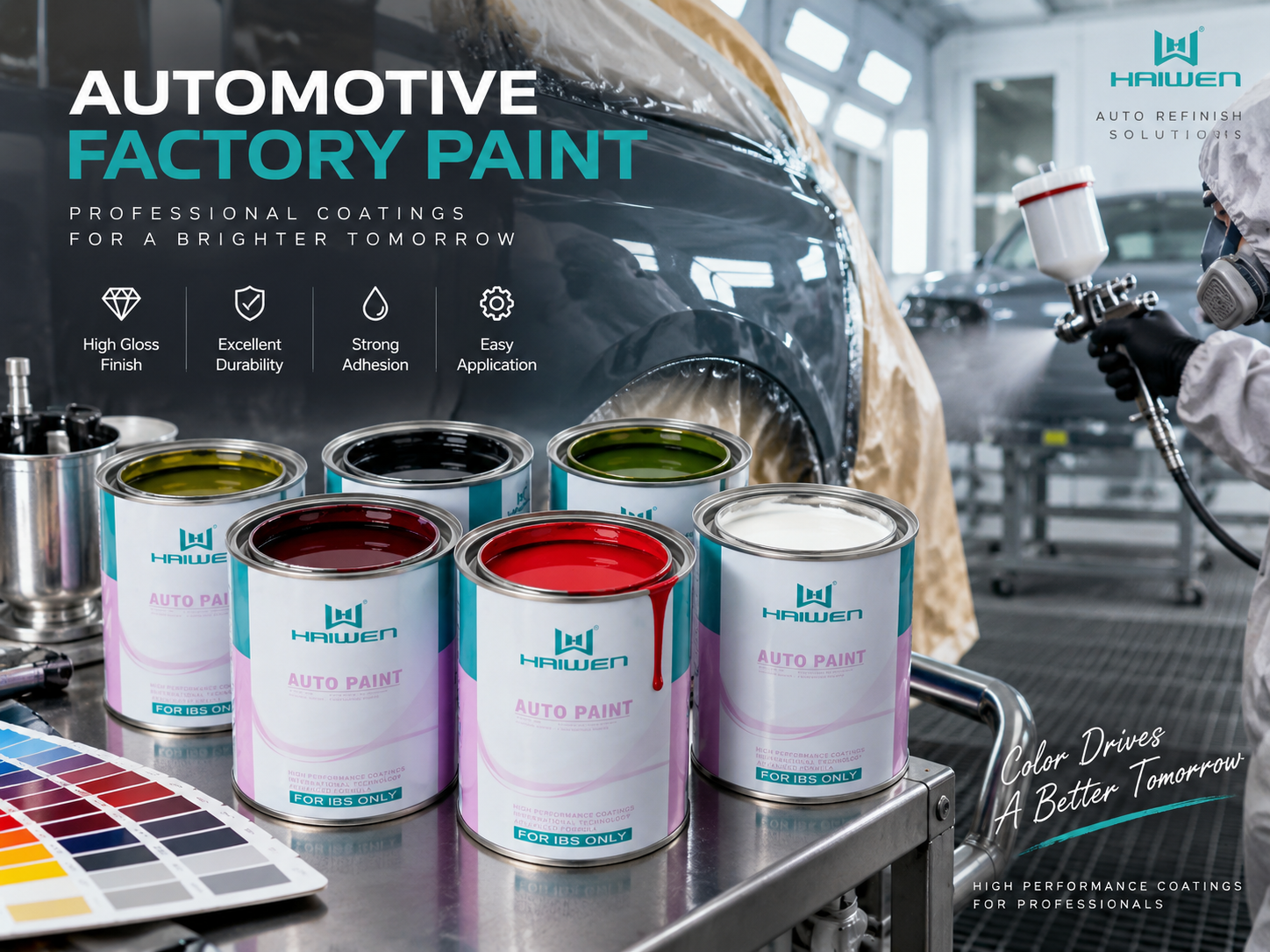
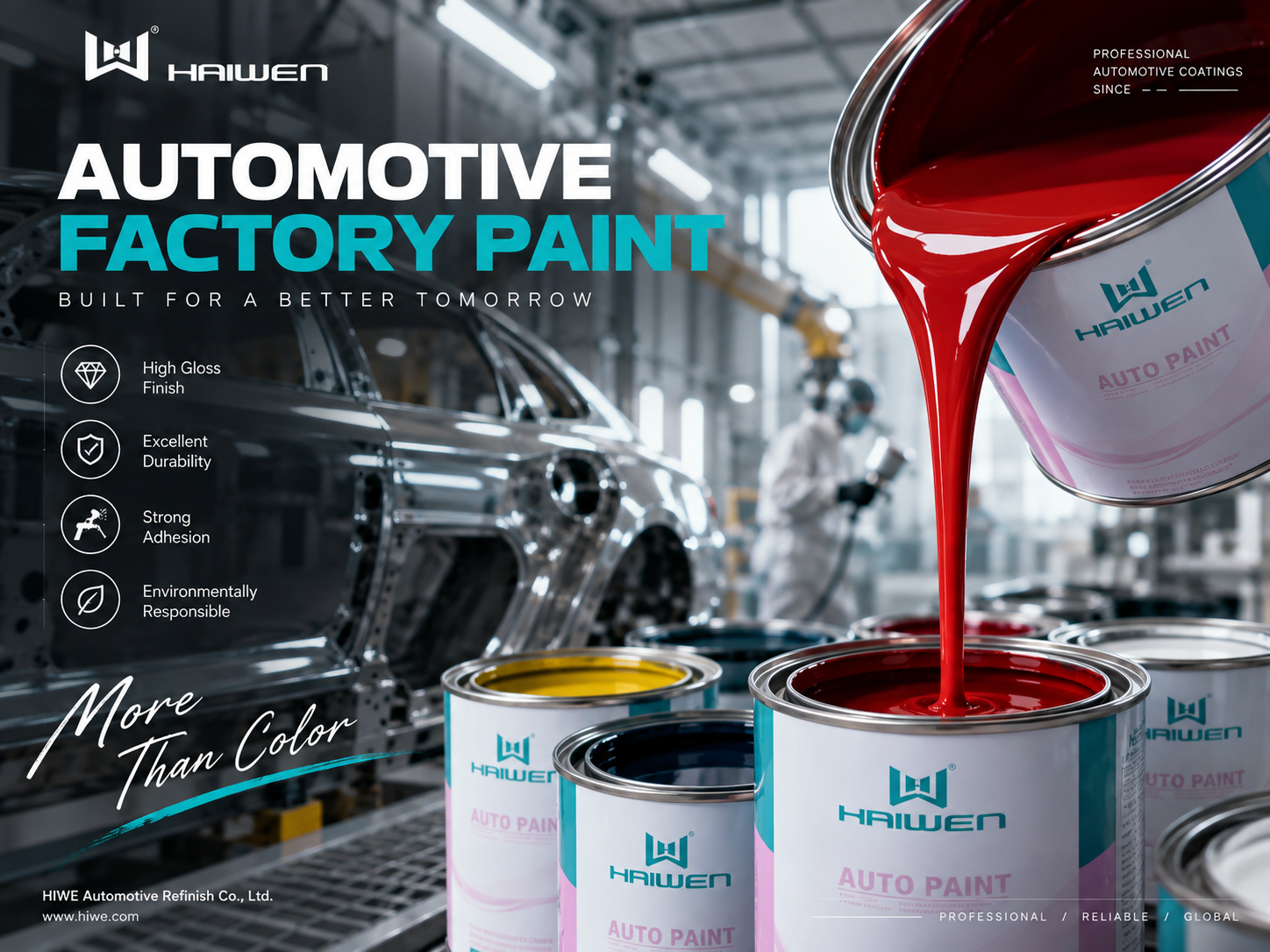
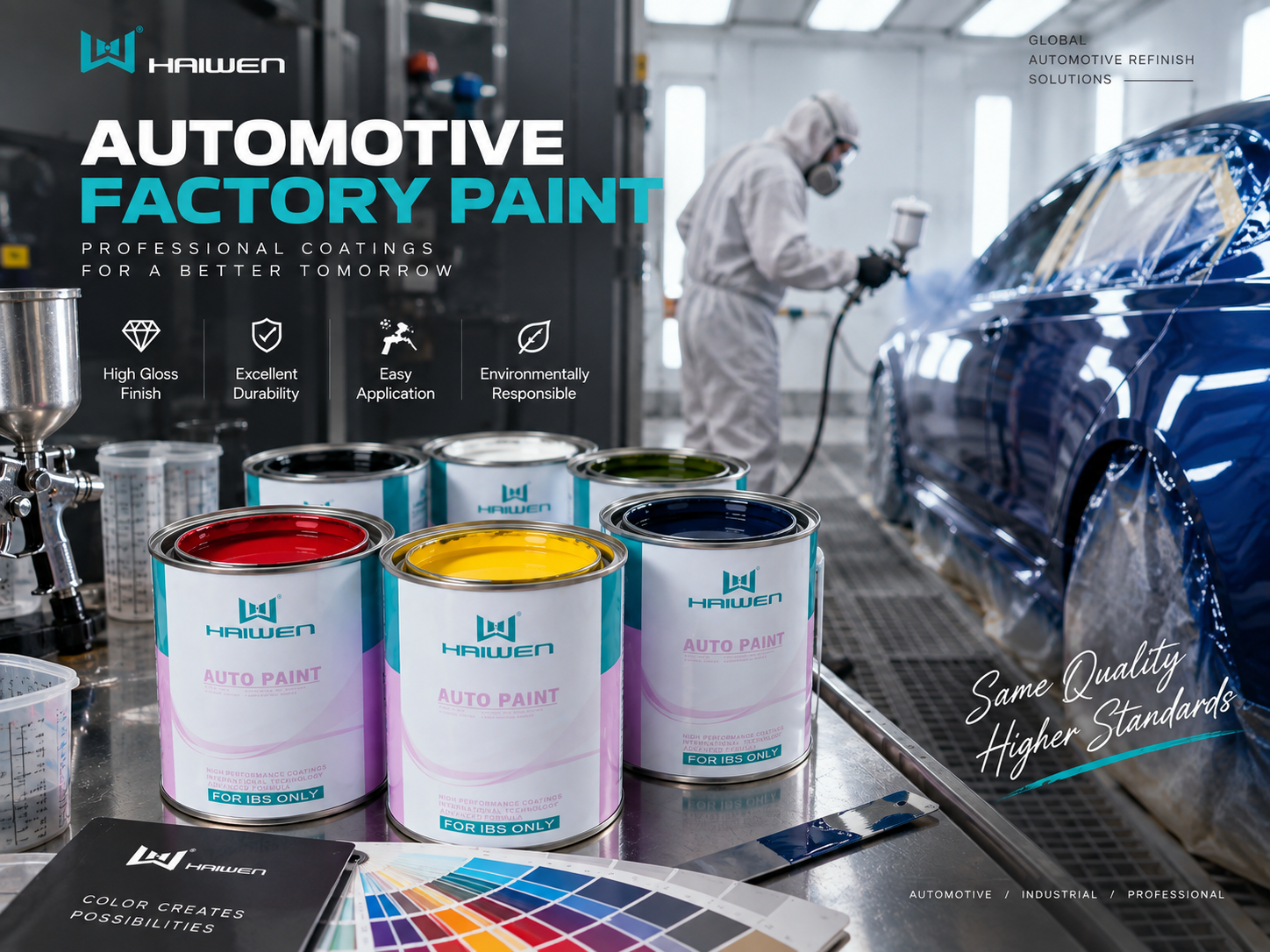
Automotive factory paint is a purpose-built coating system applied during vehicle manufacturing to protect metal and plastic parts while creating a smooth, attractive finish. Unlike repair paint, automotive factory paint is designed for controlled production lines, where speed, repeatability, and long service life matter. The automotive factory paint process normally includes surface cleaning, pretreatment, primer, color coat, and clear coat. Each layer supports a specific function: cleaning removes oil and dust, pretreatment improves adhesion, primer helps prevent corrosion, color creates the desired appearance, and clear coat adds gloss and protection. Modern automotive factory paint can use water-based or solvent-based formulas, depending on plant equipment, environmental targets, and performance needs. Robotic spray systems apply accurate, even layers across doors, hoods, roofs, bumpers, wheels, and other components. Advanced formulas also support fast curing through heat, ultraviolet light, or controlled air drying. This helps manufacturers maintain steady output without sacrificing finish quality. Automotive factory paint offers resistance to sunlight, rain, road salt, chemicals, scratches, and temperature changes. It can be matched to solid, metallic, pearl, matte, or special-effect colors. The automotive factory paint solution suits passenger cars, commercial vehicles, buses, motorcycles, trailers, and selected industrial vehicle parts. Buyers typically choose automotive factory paint when they need dependable coverage, consistent color, strong adhesion, and an efficient coating system that fits automated production. With proper preparation and process control, automotive factory paint delivers a clean OEM appearance and reliable protection from the first day of service.
 EN