Epoxy Primer Paint for Metal | Rust Protection

All Categories

Get a Free Quote

Our representative will contact you soon.
Email
Name
Company Name
Message
0/1000

epoxy primer paint for metal

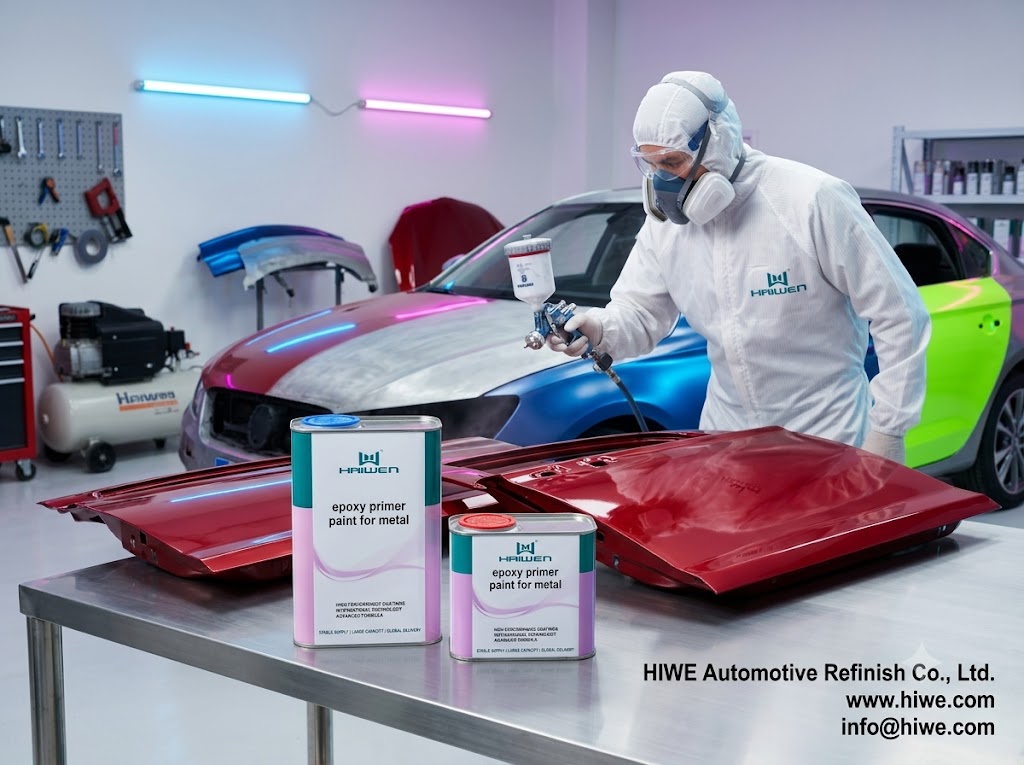
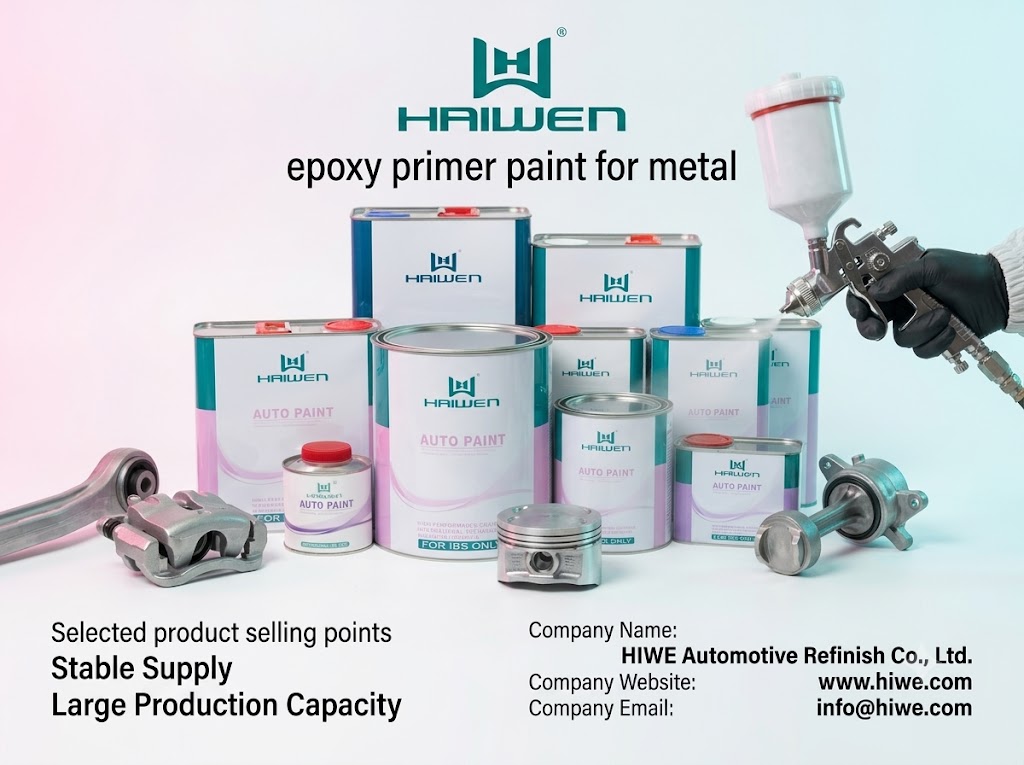
Epoxy primer paint for metal is a two-part or single-pack coating that creates a strong base before the final finish. It bonds to steel, iron, aluminum, and other prepared metal surfaces, helping protect them from moisture, chemicals, abrasion, and everyday wear. Epoxy primer paint for metal also improves the grip of topcoats, reducing peeling and early coating failure. Its main function is to seal the surface and provide a stable foundation for long-term corrosion control. Epoxy primer paint for metal typically contains resin, hardener, corrosion-resistant pigments, and performance additives. When mixed or applied correctly, these components form a dense film that resists water penetration and supports dependable adhesion. Some formulations dry quickly, while others offer extended working time for larger structures. Epoxy primer paint for metal can be sprayed, brushed, or rolled, depending on the product and project size. Surface preparation remains important: remove oil, rust scale, dust, and loose old paint before application. Epoxy primer paint for metal suits workshops, factories, vehicle repair, agricultural equipment, construction components, storage tanks, railings, pipes, and general fabrication. It works under polyurethane, acrylic, enamel, or other compatible finishing coats. Epoxy primer paint for metal is not usually intended as the only decorative layer, because ultraviolet exposure may affect an unprotected epoxy film. Choose a product according to substrate, exposure level, curing schedule, color, mixing requirements, and required film thickness. With suitable preparation and application, epoxy primer paint for metal delivers a reliable foundation that extends maintenance intervals and supports a cleaner, more durable finish.
New Product Recommendations

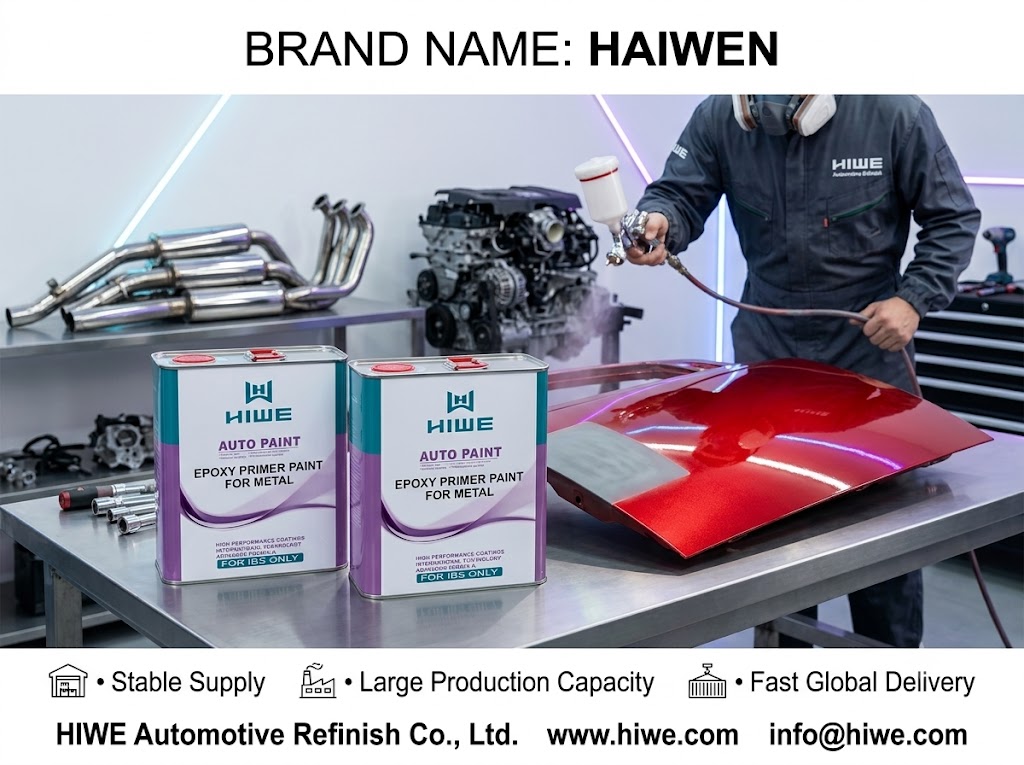
Choosing epoxy primer paint for metal gives buyers a practical way to improve coating life without replacing the underlying component. The material blocks moisture at the surface, slows rust development, and helps the finish remain attached during handling, vibration, and changing temperatures. Epoxy primer paint for metal can therefore reduce repainting, repair work, and unplanned downtime. It also gives topcoats a more even surface, which can improve appearance and reduce visible defects. For maintenance teams, epoxy primer paint for metal supports consistent results across new fabrication and refurbishment jobs. A properly prepared surface usually needs only the specified primer film before the final coat, making the process easier to plan. Products are available in different cure speeds, pack sizes, colors, and application methods, so users can match the material to small repairs or high-volume production. Epoxy primer paint for metal works on equipment frames, machinery covers, gates, trailers, tools, beams, and many indoor or sheltered outdoor items. Its strong bond helps protect edges, weld areas, and repaired sections that often fail first. Many grades tolerate oils, salts, mild chemicals, and repeated cleaning better than ordinary general-purpose primers. This creates value for workshops and operators that need dependable protection rather than frequent cosmetic touch-ups. Buyers should still check the technical sheet for metal compatibility, recoat timing, temperature limits, pot life, coverage, and safety instructions. Abrasive cleaning or suitable mechanical preparation may be necessary for best performance. Epoxy primer paint for metal is a sound choice when durability, adhesion, and corrosion resistance matter more than the lowest initial purchase price. It helps turn a coating job into a longer-term asset protection plan.

Tips And Tricks

How to Fix Mottling Issues in Metallic Automotive Basecoat?

31

Aug

How to Fix Mottling Issues in Metallic Automotive Basecoat?

Mottling in metallic automotive basecoat remains one of the most frustrating defects in automotive refinish work. This uneven, spotty appearance undermines the visual quality of a finish, creating a cloudy or blotchy effect across metallic colors. Un...
View More
Why Does Automotive Basecoat Require a Dry Phase Before Clearcoat?

31

Aug

Why Does Automotive Basecoat Require a Dry Phase Before Clearcoat?

The automotive basecoat to clearcoat process is one of the most critical phases in vehicle refinishing, yet many technicians underestimate the importance of allowing adequate drying time between layers. Understanding why automotive basecoat must dry ...
View More
How to Mix Body Filler and Hardener in the Correct Ratio?

31

Aug

How to Mix Body Filler and Hardener in the Correct Ratio?

Achieving a professional-quality finish in auto body repair requires understanding the fundamental chemistry and mechanics of body filler and hardener combinations. The correct ratio is not merely a suggestion but a critical factor that determines wh...
View More
How does poly putty improve surface leveling on automotive body panels?

07

Apr

How does poly putty improve surface leveling on automotive body panels?

Poly putty serves as a critical component in automotive bodywork, specifically designed to create smooth, uniform surfaces on body panels before final painting. This specialized filler material works by filling minor imperfections, smoothing surface ...
View More

Get a Free Quote

Our representative will contact you soon.
Email
Name
Company Name
Message
0/1000

epoxy primer paint for metal

Strong Corrosion Barrier

Strong Corrosion Barrier

Epoxy primer paint for metal forms a compact protective layer that limits contact between the substrate and damaging moisture, oxygen, salts, and workshop contaminants. This barrier matters because corrosion often begins in small scratches, weld zones, seams, and exposed edges before spreading beneath a finish. By sealing prepared metal, epoxy primer paint for metal helps slow that process and gives the topcoat a more secure base. The result can be longer service life for machinery, fabricated parts, trailers, frames, and structural items. Customers gain fewer rust-related repairs, less surface preparation during future maintenance, and better confidence in equipment used in demanding settings. Performance still depends on removing oil, scale, and loose corrosion before coating. Users should also apply the recommended film thickness and cover breaks or pinholes. When these steps are followed, epoxy primer paint for metal provides practical protection that supports planned maintenance instead of emergency restoration. It is especially valuable where replacement costs, access difficulty, or downtime make repeated recoating expensive.
Reliable Adhesion for Finish Coats

Reliable Adhesion for Finish Coats

A weak bond can cause blistering, flaking, and early failure even when the final paint looks attractive at first. Epoxy primer paint for metal addresses this problem by gripping a properly cleaned and prepared substrate and giving the next coating a stable surface to hold. Epoxy primer paint for metal can improve the consistency of color, gloss, and coverage because the finish coat does not have to bridge uneven areas or absorb differently across bare spots. This feature helps both professional applicators and repair teams achieve a more uniform result with fewer corrective passes. The primer is suitable beneath many compatible enamels, acrylics, polyurethanes, and other protective finishes, subject to the manufacturer's instructions. Customers benefit from simpler coating systems, better visual quality, and reduced risk of peeling during transport or service. For production lines, dependable adhesion can also support repeatable output. Check recoat windows carefully, because sanding or additional preparation may be required if the primer cures beyond its approved interval.
Flexible Application Across Projects

Flexible Application Across Projects

Epoxy primer paint for metal suits a broad range of jobs, from a small bracket repair to the coating of industrial assemblies. Users may apply epoxy primer paint for metal by brush, roller, or spray, allowing teams to select a method based on access, surface profile, finish expectations, and available equipment. Small workshops can avoid investing in complex machinery, while production facilities can choose a compatible spray process for faster coverage. Different package sizes also help control waste and purchasing costs. Epoxy primer paint for metal is available in formulas designed for varied cure times, working temperatures, and exposure conditions, giving buyers more control over scheduling. It can support vehicle parts, agricultural tools, plant equipment, steelwork, cabinets, pipes, and general fabrication. This flexibility reduces the need to keep several unrelated primers in stock. Before buying, confirm whether the product requires a hardener, mixing ratio, induction time, or special thinner. Clear preparation and application guidance helps prevent material loss and ensures the coating reaches its expected strength.
Epoxy Primer Paint for Metal | Rust Protection