White Epoxy Primer for Durable Protection

All Categories

Get a Free Quote

Our representative will contact you soon.
Email
Name
Company Name
Message
0/1000

white epoxy primer

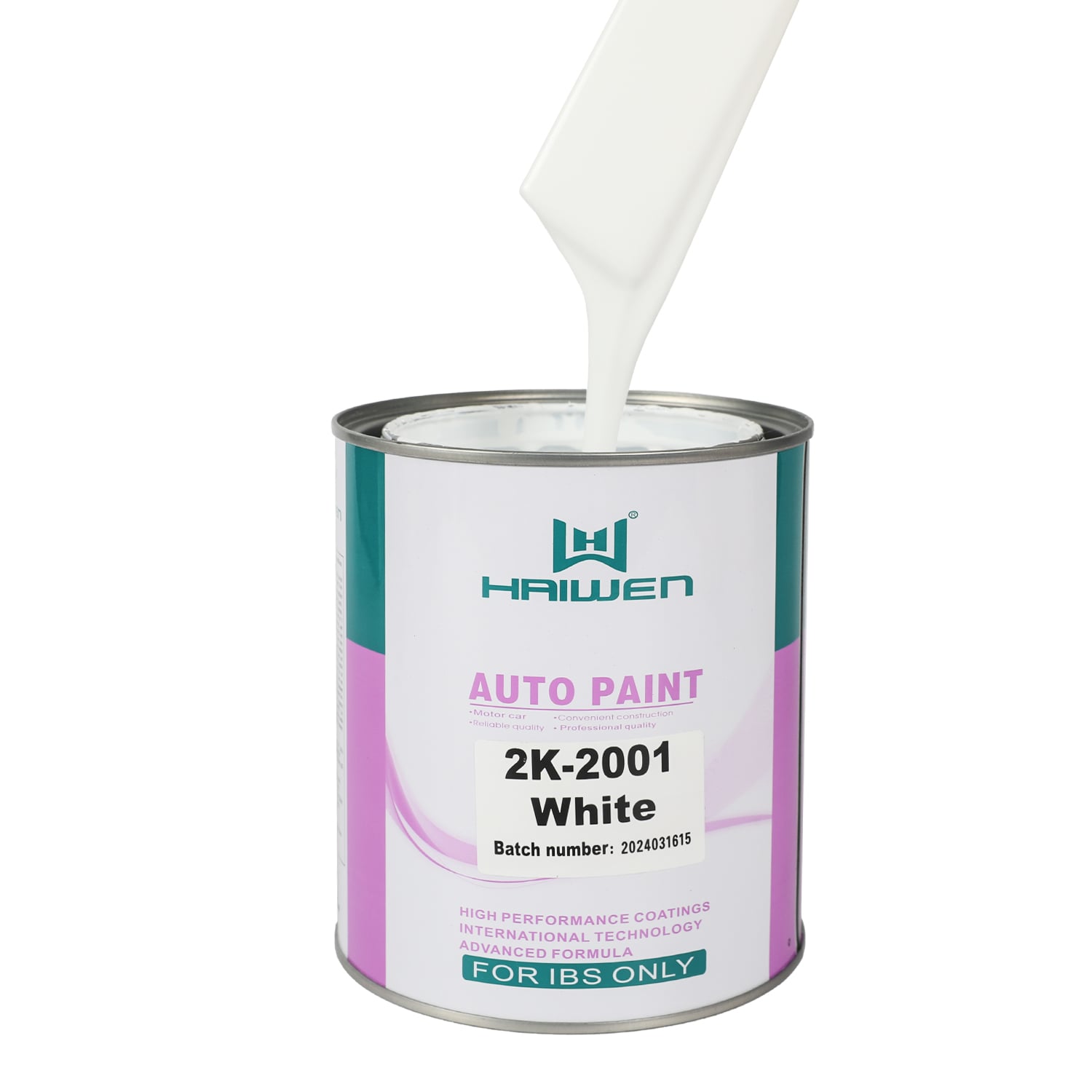
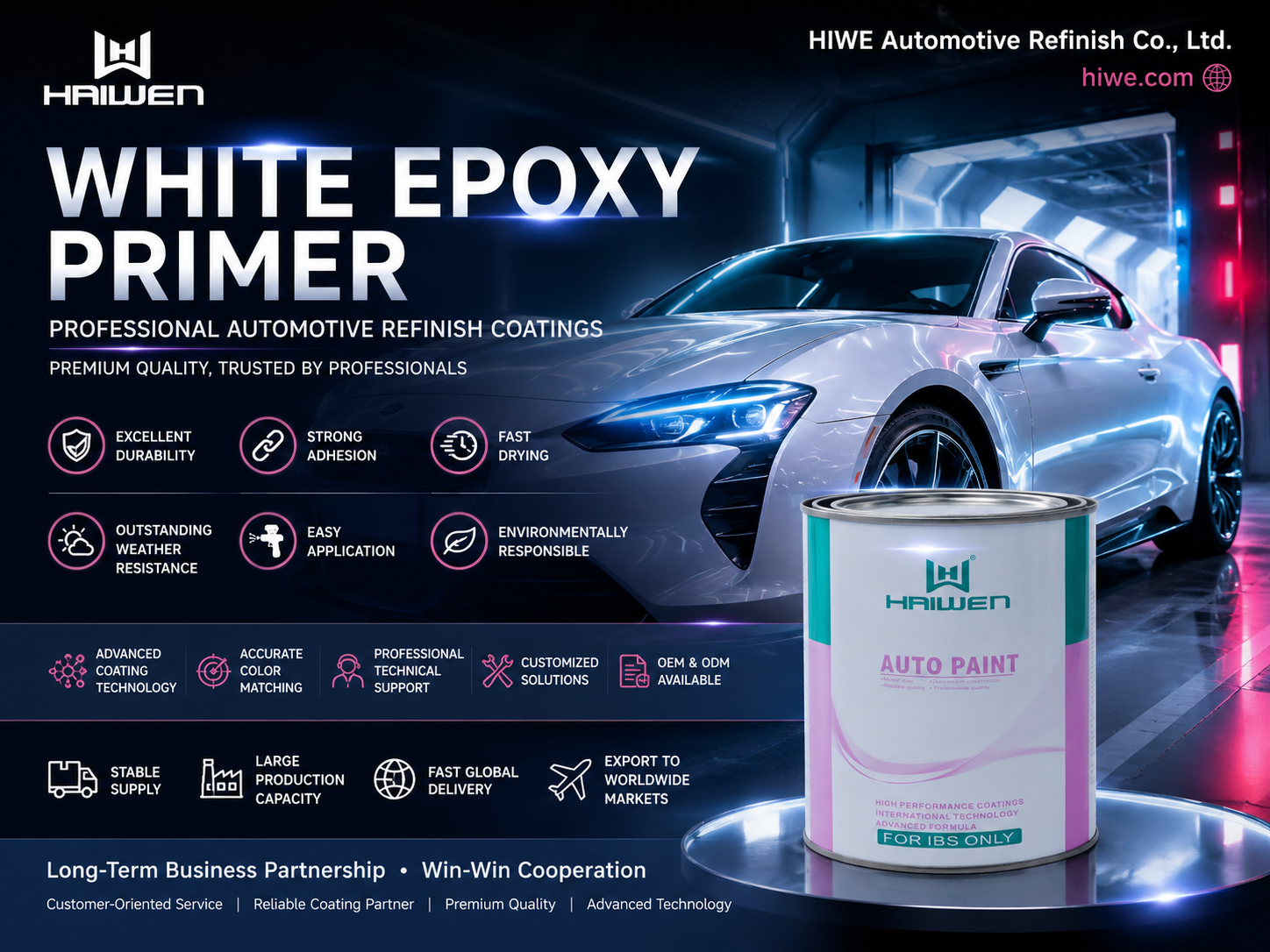
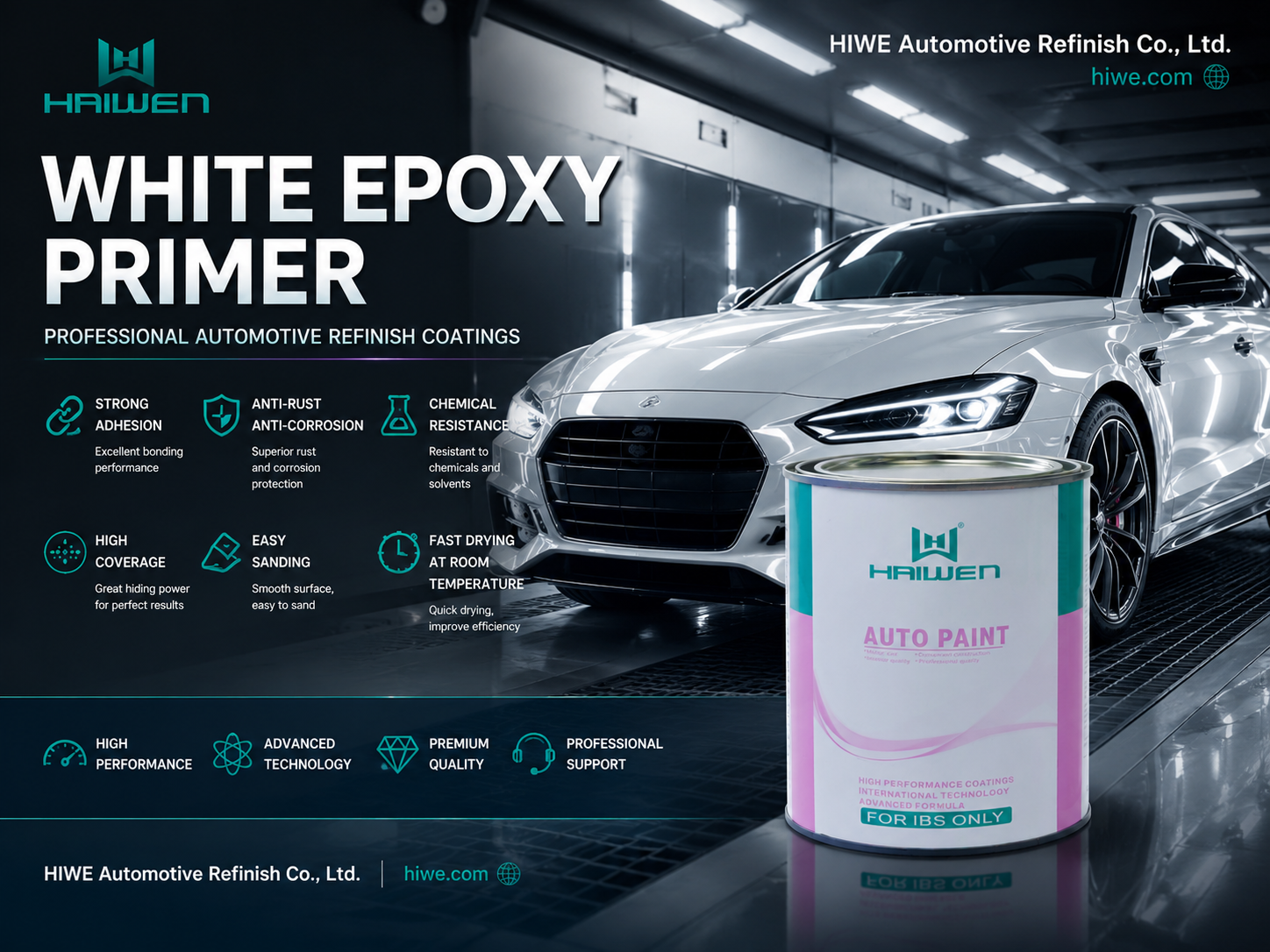
White epoxy primer is a two-part or ready-to-use coating applied before a finish coat to prepare and protect surfaces. This white epoxy primer creates a firm base that helps paint bond to metal, concrete, wood, and other properly prepared materials. It also covers dark colors and minor visual variations, giving the final coating a brighter, more even appearance. As a first coat, white epoxy primer seals porous areas and reduces uneven absorption. The white epoxy primer can also help block stains, light corrosion marks, and surface discoloration from showing through the topcoat. Its epoxy resin forms a tough film after curing, while hardeners improve resistance to moisture, chemicals, abrasion, and everyday wear. Unlike ordinary decorative primer, it is designed to support long-term coating performance in demanding environments. A properly selected white epoxy primer can improve adhesion on steel, galvanized metal, aluminum, masonry, and prepared timber. Its white base makes color matching easier and may reduce the number of finish coats needed. Many white epoxy primer formulas offer smooth flow, dependable coverage, and a practical working time for brush, roller, or spray application. Depending on the product, white epoxy primer may suit indoor rooms, workshops, machinery, tanks, vehicles, and architectural surfaces. For maintenance work, white epoxy primer provides a clean, consistent foundation over repaired or mixed substrates. Buyers should check mixing instructions, curing time, film thickness, and compatibility with the planned topcoat. In short, white epoxy primer combines surface preparation, visual control, and durable protection in one important coating step.

New Products

Choosing white epoxy primer gives buyers more than a bright undercoat. It provides a reliable foundation that helps the finish layer stay attached, reducing peeling, flaking, and early touch-ups. Because white epoxy primer improves surface uniformity, the final color can look cleaner and more consistent across new, repaired, or mixed materials. This benefit matters when appearance affects customer confidence, resale value, or brand presentation. A white epoxy primer also helps reduce paint consumption. Its even coverage hides dark marks and small color differences, so many projects need fewer topcoats to reach the desired shade. Fewer coats can lower material costs and shorten production time. For workshops and contractors, that can increase daily output without sacrificing finish quality. Strong moisture and chemical resistance makes white epoxy primer useful where surfaces face condensation, cleaning products, oils, salts, or occasional spills. It can support equipment, fabricated steel, concrete floors, storage areas, vehicle parts, and industrial structures when the product matches the exposure level. The coating also helps protect prepared metal from rust by sealing the surface from air and moisture. Application flexibility adds practical value. Depending on the selected grade, users can apply white epoxy primer by brush, roller, or spray, allowing small repairs and large production jobs to use the same coating system. It works well for indoor and outdoor projects when surface preparation and curing conditions are controlled. Buyers should compare pot life, drying speed, coverage, gloss level, and topcoat compatibility before ordering. A fast-curing grade may suit urgent maintenance, while a longer working time may help large or detailed applications. The best white epoxy primer balances protection, coverage, handling, and total project cost.

Tips And Tricks

What Is the Difference Between Lightweight and Standard Body Filler?

31

Aug

What Is the Difference Between Lightweight and Standard Body Filler?

Understanding the distinction between lightweight and standard body filler is essential for anyone involved in auto body repair techniques. These two formulations serve the same general purpose of filling dents and imperfections in vehicle surfaces, ...
View More
How to Mix Two-Component Epoxy Primer Correctly?

17

Sep

How to Mix Two-Component Epoxy Primer Correctly?

Mixing two-component epoxy primer correctly is essential for achieving a durable, protective coating on metal surfaces. When these components combine improperly, you risk compromised adhesion, uneven curing, and premature coating failure. Understandi...
View More
How Does Epoxy Primer Prevent Rust on Classic Cars?

17

Sep

How Does Epoxy Primer Prevent Rust on Classic Cars?

Classic cars represent decades of automotive heritage and craftsmanship, yet they face a persistent threat that time and weather cannot spare: rust. The metallic surfaces of vintage vehicles are particularly vulnerable to corrosion, which undermines ...
View More
What Hazards Are Associated with Low-Quality Automotive Thinner?

29

Oct

What Hazards Are Associated with Low-Quality Automotive Thinner?

Using substandard automotive thinner presents significant risks that extend far beyond cosmetic defects in vehicle paint jobs. Low-quality automotive solvent reducer compromises both the safety of technicians and the integrity of finished coating sys...
View More

Get a Free Quote

Our representative will contact you soon.
Email
Name
Company Name
Message
0/1000

white epoxy primer

Bright Base for Cleaner Finish Colors

Bright Base for Cleaner Finish Colors

A major selling point of white epoxy primer is its ability to create a bright, even starting surface. The white epoxy primer helps cover dark patches, repaired areas, old color differences, and minor visual variation before the finish coat is applied. This creates a more predictable final color, especially with light shades such as white, cream, yellow, blue, or pastel tones. The white epoxy primer can also reduce the number of decorative coats required to achieve full coverage. That saves paint, labor, and drying time while helping contractors keep schedules under control. For manufacturers, the consistent base supports repeatable product appearance across batches. For homeowners, it makes renovation results look more professional without complicated techniques. When customers need accurate color presentation, the white epoxy primer offers useful control from the first application. Users should still clean, sand, and repair the substrate properly, because a bright primer cannot hide deep damage or poor preparation.
Strong Adhesion and Surface Protection

Strong Adhesion and Surface Protection

The white epoxy primer combines bonding support with a tough protective film. Once cured, the white epoxy primer helps the finish coat grip prepared metal, concrete, wood, and other suitable substrates. This can reduce lifting, cracking, and peeling caused by weak contact between layers. The white epoxy primer also forms a barrier against moisture and common contaminants, helping slow surface deterioration in workshops, garages, machinery areas, and maintenance facilities. On steel, it can support a coating system designed to limit rust when the surface is clean and free from loose scale. Its durable film stands up better than many basic primers to light abrasion, handling, and routine cleaning. This feature gives buyers confidence that their work will remain attractive and functional for longer. The product does not replace correct preparation or a compatible topcoat, but the white epoxy primer provides a dependable first layer for demanding coating systems.
Flexible Use Across Projects and Methods

Flexible Use Across Projects and Methods

A useful advantage of white epoxy primer is its broad application range. The white epoxy primer can support projects involving equipment, metal panels, doors, concrete areas, vehicles, cabinets, fabricated parts, and selected timber surfaces. Depending on the formula, users may apply the white epoxy primer with a brush, roller, or spray gun, making it suitable for small repairs as well as larger production work. This flexibility helps buyers avoid purchasing separate primers for every task. The white epoxy primer also gives teams a clear surface for inspection, touch-up, and final color application. Product options may include different curing speeds, coverage rates, solvent levels, and chemical resistance, so customers can match performance to the job instead of overpaying for features they do not need. Checking substrate compatibility, temperature limits, recoat windows, and safety guidance before use helps ensure reliable results. With the right selection, white epoxy primer can simplify purchasing, application planning, and ongoing maintenance.
White Epoxy Primer for Durable Protection