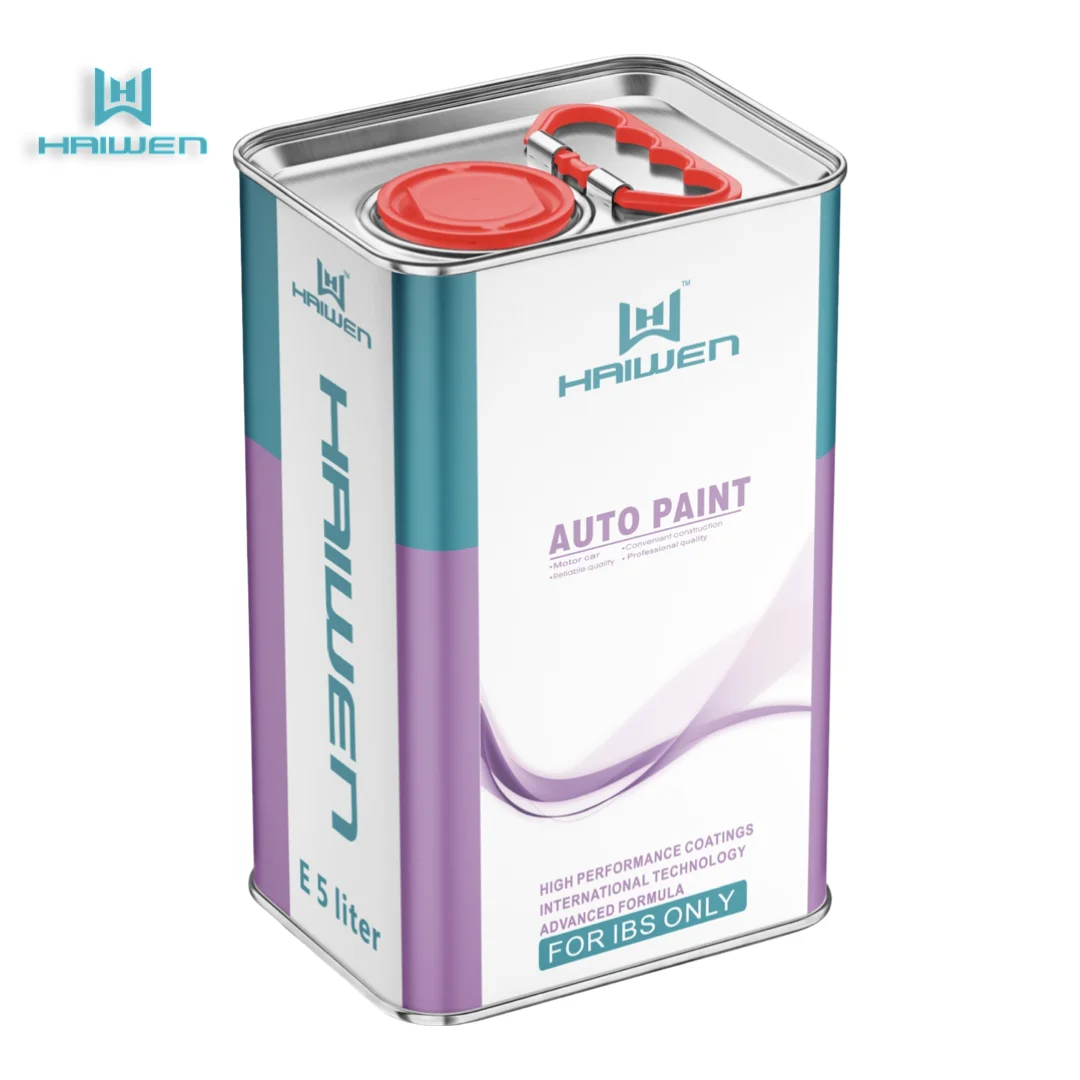
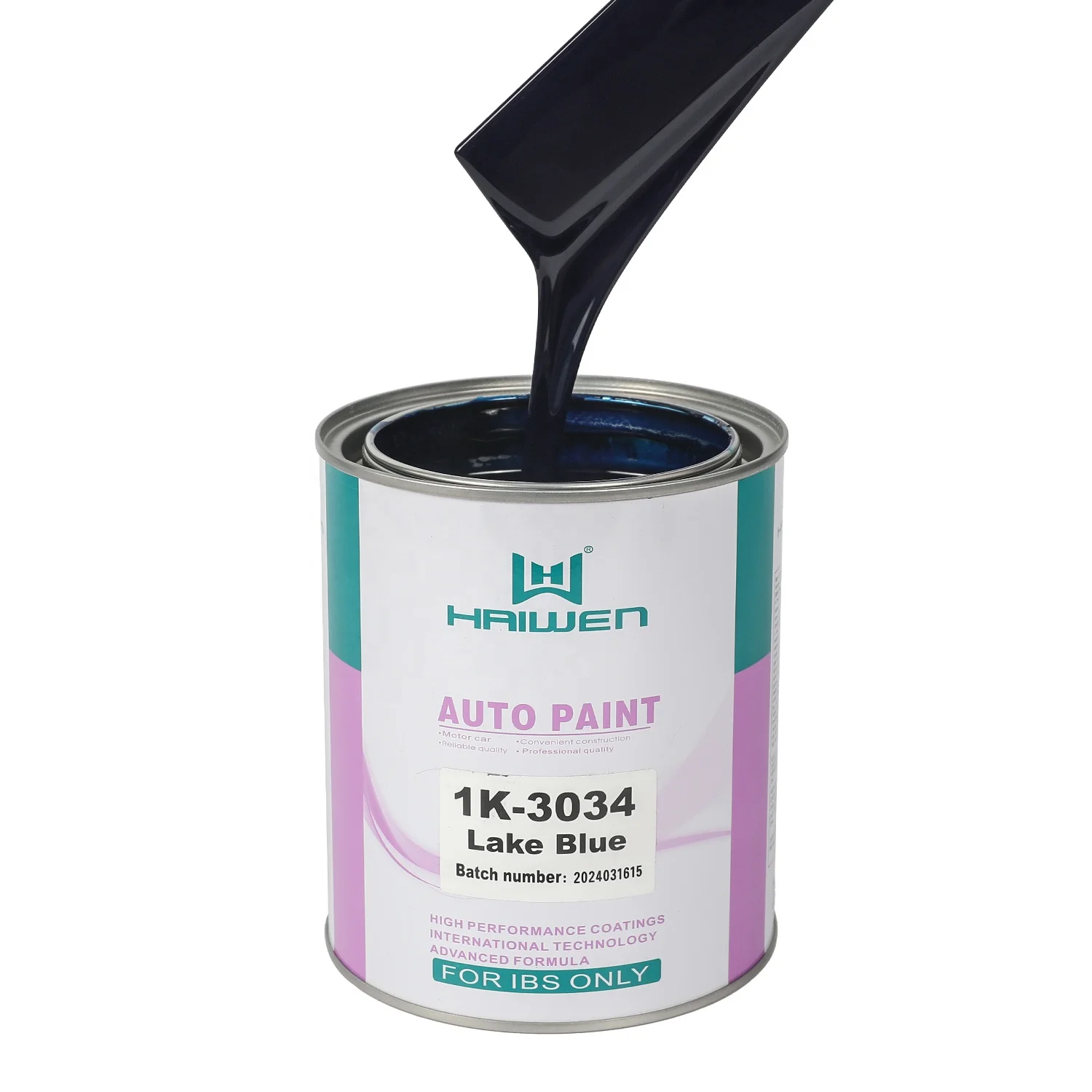
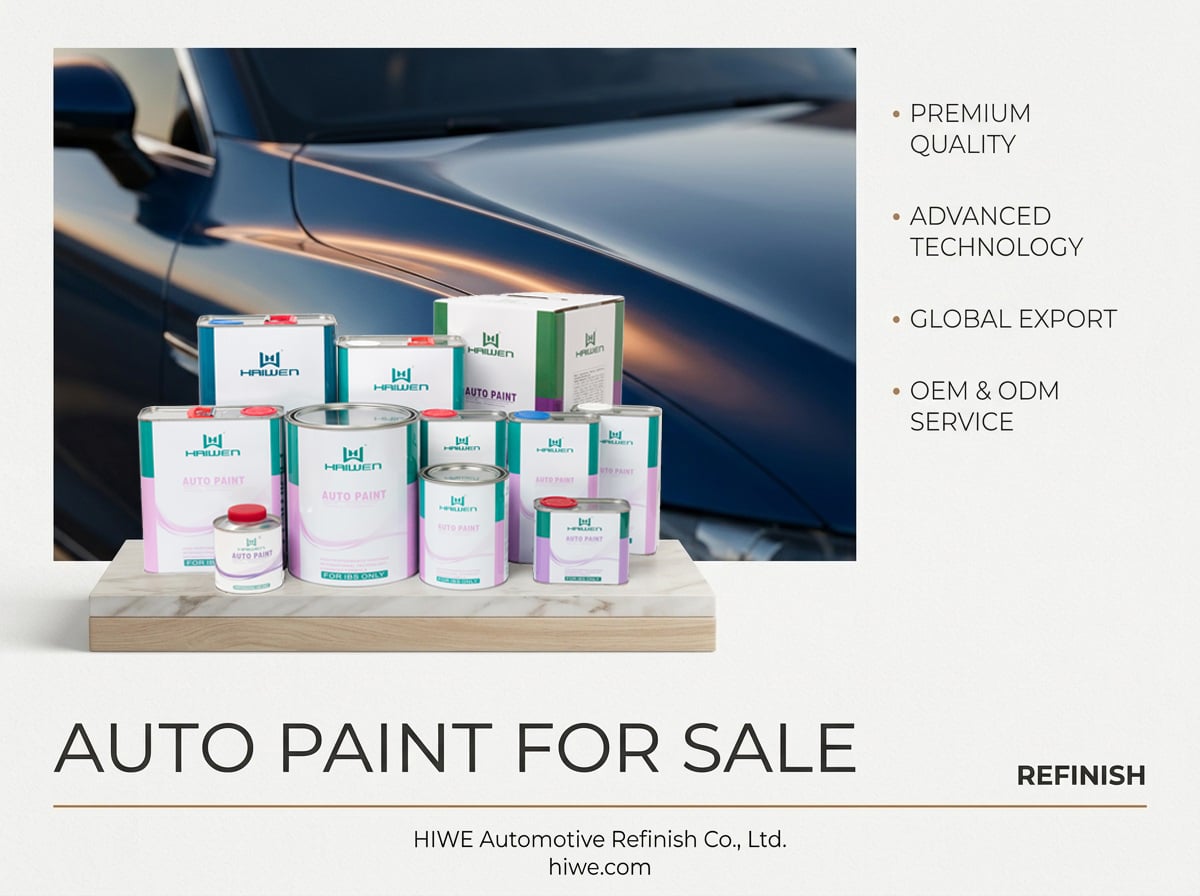
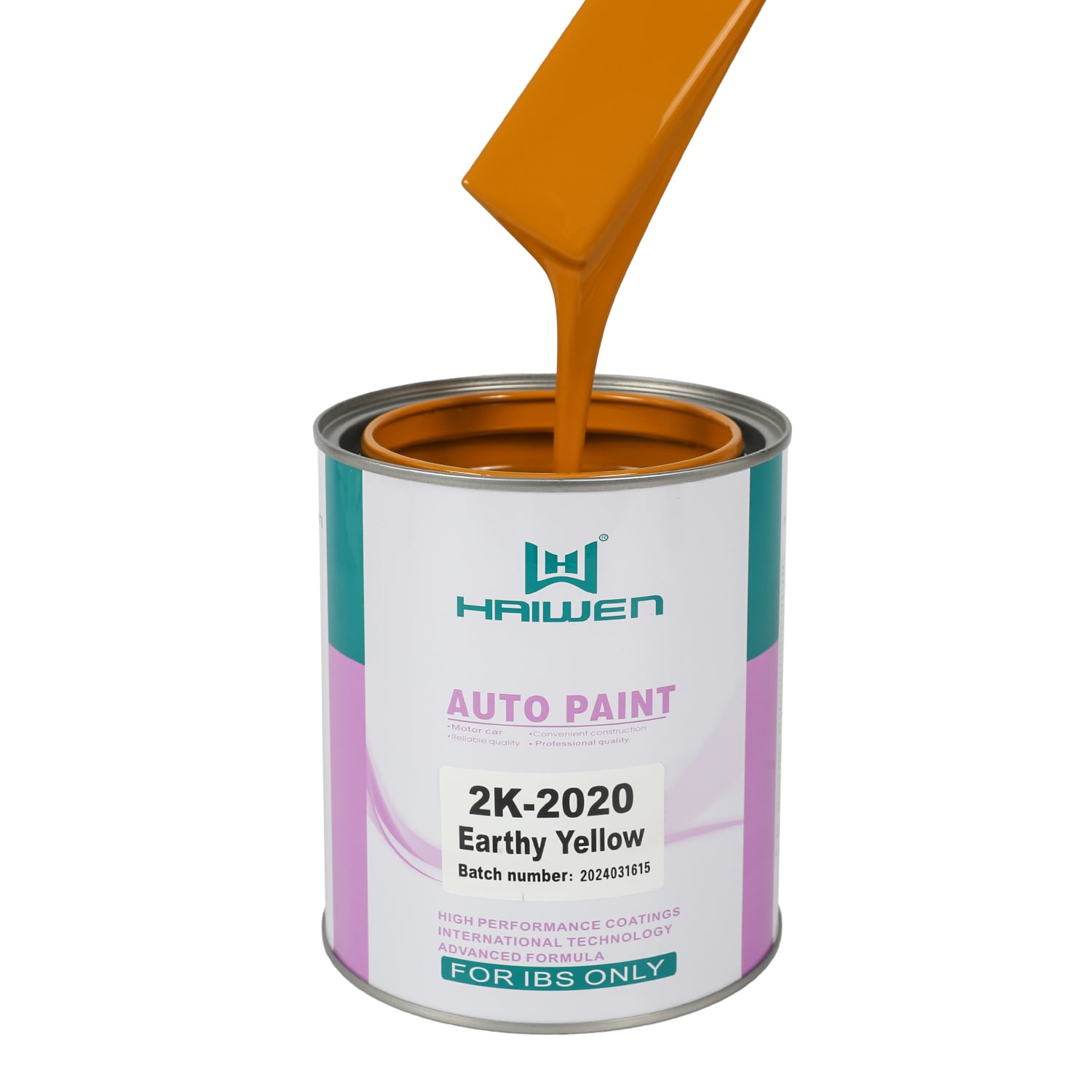
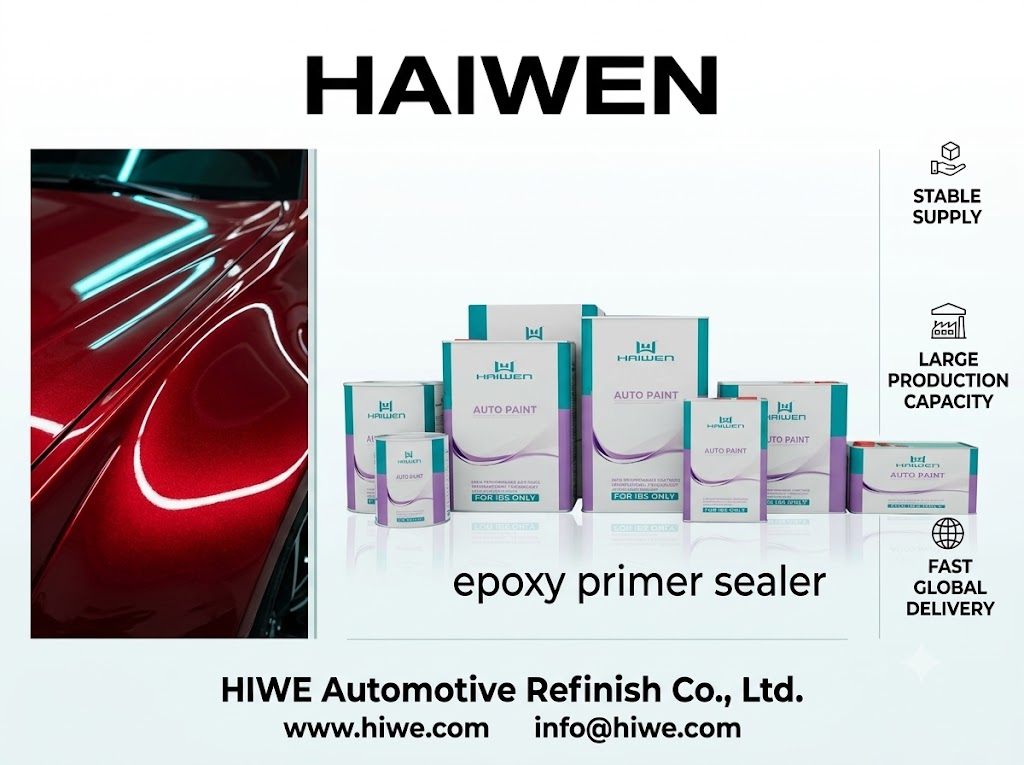
Epoxy Primer Sealer for Durable Surface Protection

All Categories

Get a Free Quote

Our representative will contact you soon.
Email
Name
Company Name
Message
0/1000

epoxy primer sealer

An epoxy primer sealer is a protective base coat that prepares a surface for paint, topcoats, or long-term service. The epoxy primer sealer bonds to metal, concrete, wood, fiberglass, and other sound materials, creating a firm layer between the substrate and the finish. Its main functions include improving adhesion, sealing pores, limiting moisture entry, and helping protect against rust, chemicals, abrasion, and daily wear. The epoxy primer sealer also creates a more even surface, so later coats spread smoothly and deliver a cleaner appearance. Modern formulas use two-part resin technology or advanced single-component chemistry to provide strong film formation, dependable coverage, and controlled curing. Two-part options usually combine resin and hardener immediately before use, while ready-to-use products offer simpler handling for smaller jobs. Depending on the formula, users can apply the epoxy primer sealer by roller, brush, or spray equipment. It can support new construction, repair work, equipment refurbishment, and maintenance programs. The epoxy primer sealer suits indoor and outdoor projects when the product specification matches the exposure conditions. It can be applied to prepared steel, galvanized metal, concrete floors, machinery, tanks, panels, vehicles, and structural components. Proper cleaning, drying, mixing, and recoating remain important for the best result. By providing a stable foundation, the epoxy primer sealer helps the finish coat last longer and reduces problems such as peeling, blistering, uneven color, and early corrosion. Buyers should compare cure time, solids content, working temperature, color, packaging, and compatible topcoats before selecting a product. This practical base coat gives contractors, fabricators, and maintenance teams a reliable way to improve surface performance without replacing the entire substrate.
New Product Recommendations

The epoxy primer sealer delivers practical value from the first stage of a coating project. It helps paint adhere to difficult surfaces, which can reduce flaking and the need for repeated touch-ups. A well-bonded base also supports a more uniform finish, allowing installers to use later coats more efficiently. For buyers, this means better appearance, fewer callbacks, and a longer service interval. The epoxy primer sealer can protect prepared metal from moisture and oxygen, helping slow the start of rust in workshops, plants, vehicles, gates, frames, and equipment. On concrete, it fills small pores and helps reduce dusting, staining, and moisture-related coating failure. These benefits make the epoxy primer sealer useful for floors, walls, platforms, storage areas, and repair zones. Application flexibility adds further convenience. Teams can select brush, roller, or spray application according to project size, access, and finish expectations. A fast-curing grade may support quicker return to service, while a longer working time can help crews cover large or complex areas without rushing. The epoxy primer sealer also provides a consistent base under many compatible decorative or protective finishes, including polyurethane and industrial enamel systems. In daily operations, a sound primer can simplify inspection because defects, pinholes, and weak areas become easier to identify before the final coat. It may also reduce material waste by limiting excessive absorption into porous substrates. Buyers should still match the epoxy primer sealer to the surface, exposure, temperature, and topcoat. Check preparation requirements, mix ratios, pot life, coverage rate, safety instructions, and minimum recoating time. A product with the right balance of adhesion, curing speed, chemical resistance, and ease of use can improve scheduling and reduce total maintenance cost. The epoxy primer sealer is especially valuable where downtime, corrosion, or surface failure would interrupt production. It supports both planned upgrades and urgent repairs, giving maintenance teams a dependable coating step that protects the investment beneath the finish.

Tips And Tricks

How to Fix Mottling Issues in Metallic Automotive Basecoat?

31

Aug

How to Fix Mottling Issues in Metallic Automotive Basecoat?

Mottling in metallic automotive basecoat remains one of the most frustrating defects in automotive refinish work. This uneven, spotty appearance undermines the visual quality of a finish, creating a cloudy or blotchy effect across metallic colors. Un...
View More
How to Choose the Right 2K Surface Primer for Automotive Repair?

07

Apr

How to Choose the Right 2K Surface Primer for Automotive Repair?

Selecting the appropriate 2K surface primer for automotive repair projects requires careful consideration of substrate compatibility, environmental conditions, and performance requirements. Professional automotive refinishing demands primers that del...
View More
How to Identify Automotive Primer Compatibility Issues?

17

Sep

How to Identify Automotive Primer Compatibility Issues?

Identifying automotive primer compatibility issues is essential for achieving a professional paint finish on any vehicle. When primers fail to bond properly with the substrate or topcoat, the entire paint system becomes compromised, leading to peelin...
View More
What Hazards Are Associated with Low-Quality Automotive Thinner?

29

Oct

What Hazards Are Associated with Low-Quality Automotive Thinner?

Using substandard automotive thinner presents significant risks that extend far beyond cosmetic defects in vehicle paint jobs. Low-quality automotive solvent reducer compromises both the safety of technicians and the integrity of finished coating sys...
View More

Get a Free Quote

Our representative will contact you soon.
Email
Name
Company Name
Message
0/1000

epoxy primer sealer

Strong Adhesion Across Multiple Substrates

Strong Adhesion Across Multiple Substrates

The epoxy primer sealer creates a firm mechanical and chemical bond with properly prepared surfaces. This feature matters because coatings often fail at the interface between the substrate and the finish, not in the finish itself. On steel, the epoxy primer sealer grips cleaned metal and gives the topcoat a stable foundation. On concrete, it penetrates and seals manageable porosity, helping prevent the finish from sinking unevenly into the surface. The same capability can support wood, fiberglass, machinery, panels, and repair components when the selected grade allows those uses. Strong adhesion brings clear value to contractors and asset owners: fewer loose edges, less peeling, and a more dependable appearance over time. It also gives crews more freedom to work across mixed materials within one project. By using an epoxy primer sealer before the final coating, users can improve surface uniformity and reduce the chance that a weak substrate will shorten the life of the entire paint system. Good cleaning and profile preparation remain essential to unlock this benefit.
Barrier Protection Against Moisture and Wear

Barrier Protection Against Moisture and Wear

The epoxy primer sealer forms a dense protective film that helps separate the substrate from water, air, salts, and everyday contaminants. This barrier is especially important for carbon steel, plant equipment, service vehicles, concrete floors, and outdoor structures exposed to changing conditions. When the epoxy primer sealer covers a prepared surface evenly, it helps limit moisture movement and supports resistance to light abrasion, oils, and common industrial spills, depending on the product grade. That protection can delay rust, staining, dust release, and surface breakdown. For facility owners, the value is practical: protected assets need fewer emergency repairs and can maintain a cleaner, more professional appearance. A sealed base also gives the selected topcoat better support, allowing the complete coating system to handle routine traffic and handling more effectively. The epoxy primer sealer is not a substitute for correct drainage, preparation, or a suitable finish, but it adds an important defensive layer. Buyers should review chemical exposure, immersion limits, outdoor durability, and temperature ratings before purchase.
Flexible Application for Efficient Project Work

Flexible Application for Efficient Project Work

The epoxy primer sealer supports different project sizes and working methods, helping teams choose a process that fits their schedule. Brush and roller application works well for edges, repairs, small components, and areas where access is limited. Spray application can improve speed and coverage on large panels, machinery, structural steel, and production runs when trained operators use suitable equipment. Depending on the formula, the epoxy primer sealer may offer a ready-to-use format or a two-part system that allows users to select performance suited to the job. Clear instructions for mixing, pot life, drying, and recoating help crews plan labor and avoid avoidable material loss. This flexibility makes the epoxy primer sealer suitable for maintenance departments, fabrication shops, contractors, and commercial property teams. It can support a complete renovation or a targeted repair without forcing every project into the same workflow. Faster curing may reduce downtime, while a forgiving application window can improve coverage on complicated shapes. Buyers should confirm equipment compatibility and ventilation needs before starting work.
Epoxy Primer Sealer for Durable Surface Protection