Epoxy Car Paint for Durable Vehicle Protection

All Categories

Get a Free Quote

Our representative will contact you soon.
Email
Name
Company Name
Message
0/1000

epoxy car paint

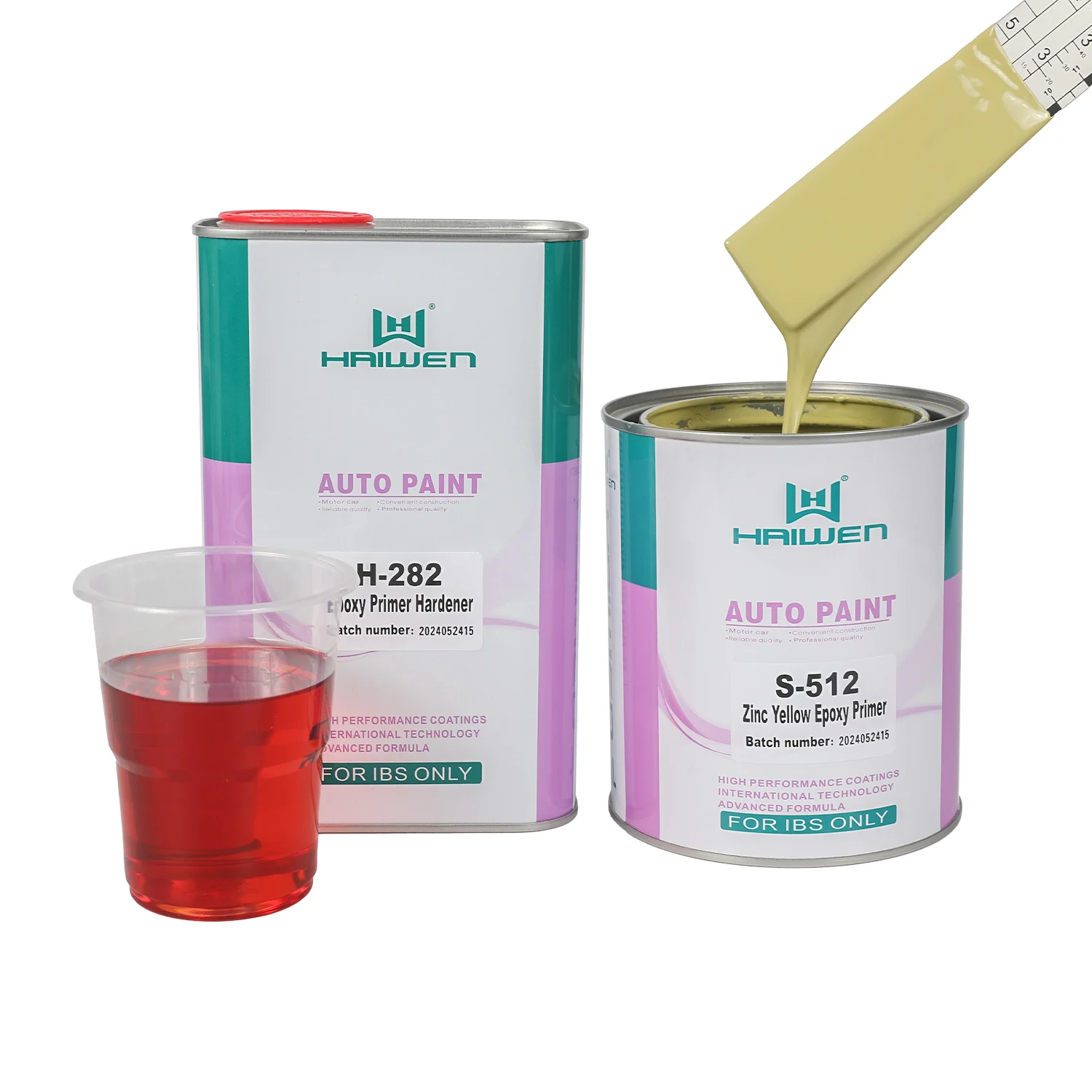
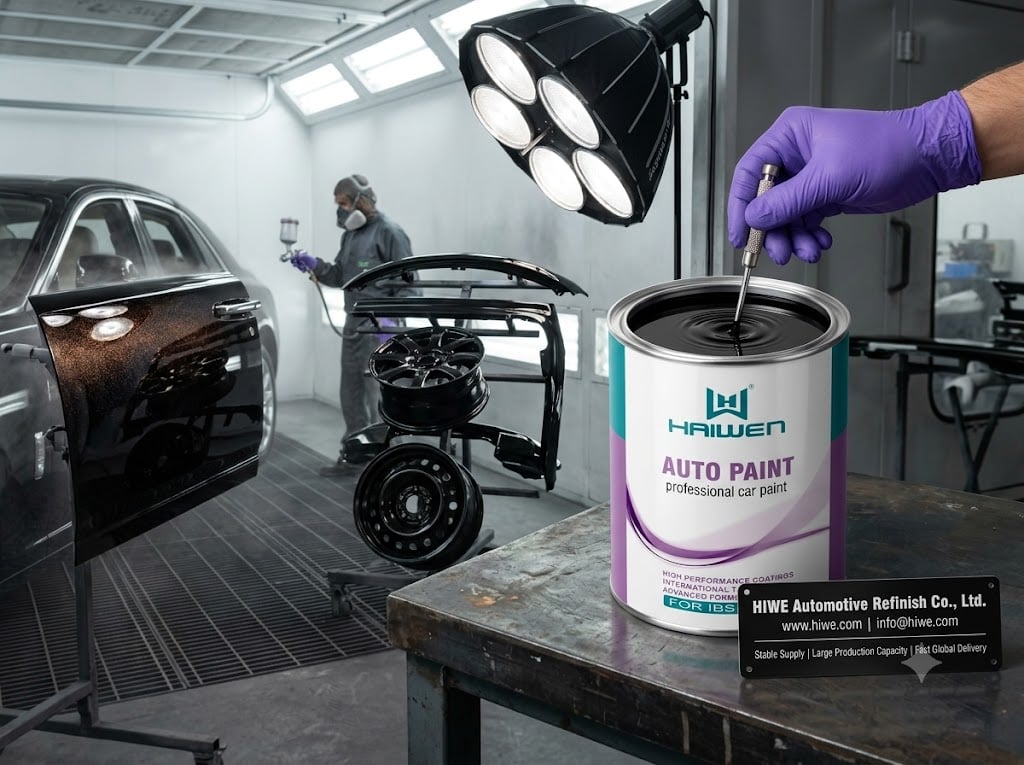
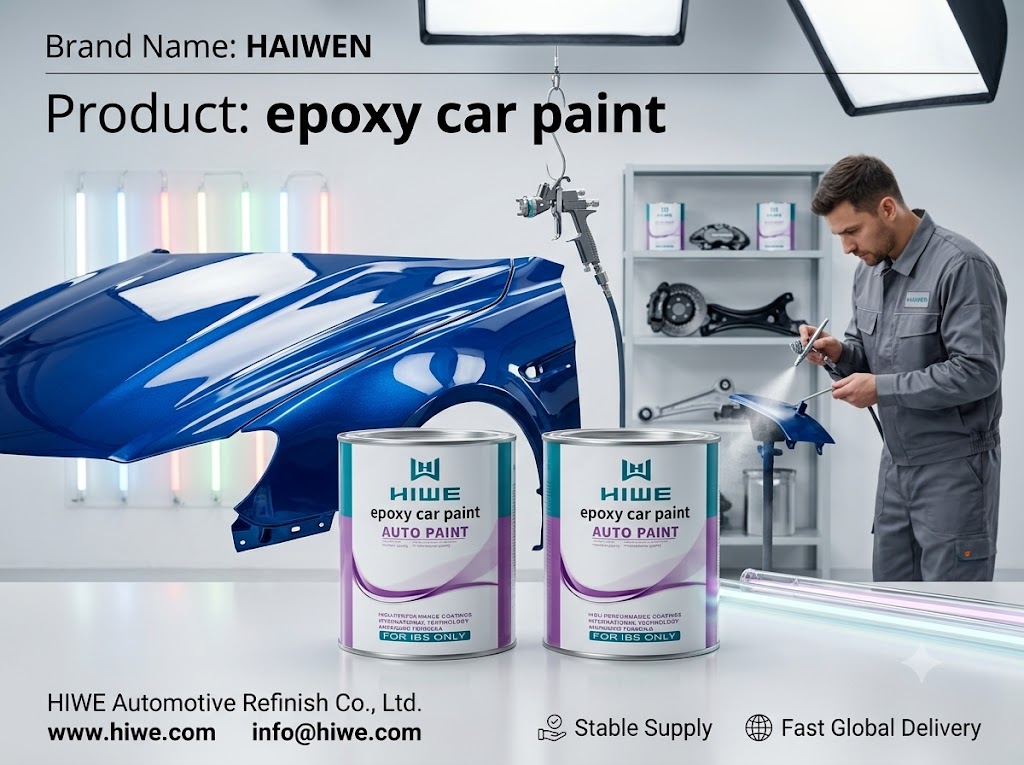
Epoxy car paint is a two-part coating designed to protect and refinish vehicle surfaces. It combines a resin with a hardener, creating a strong film after mixing and curing. Unlike basic decorative coatings, epoxy car paint bonds firmly to prepared metal, steel, aluminum, and selected composite panels. This makes epoxy car paint useful for body repairs, chassis work, wheels, engine bays, trailers, and restoration projects. The coating helps seal exposed surfaces against moisture, road salt, oil, fuel splashes, and everyday grime. Epoxy car paint also creates a smooth base for later color coats or protective finishes. Its main function is long-term surface protection, but it can also improve appearance and simplify maintenance. Many products support spray, brush, or roller application, allowing users to choose a method that matches the repair size and available equipment. Modern epoxy car paint formulas often offer fast flash times, controlled flow, low-odor options, and improved resistance to ultraviolet exposure. Some versions include corrosion-inhibiting additives that slow rust formation when applied over correctly prepared metal. A typical project involves cleaning, degreasing, sanding, mixing the components in the correct ratio, and applying even coats. With proper preparation, epoxy car paint forms a durable barrier that reduces peeling and surface breakdown. It suits professional workshops, fleet maintenance teams, custom builders, and careful do-it-yourself users. Before purchase, buyers should check substrate compatibility, mixing time, working life, coverage, curing conditions, and recommended topcoats. Choosing the right epoxy car paint helps match protection, finish quality, and project speed to the vehicle's needs.

Popular Products

The biggest advantage of epoxy car paint is dependable protection at a practical cost. A properly cured layer helps block water, oxygen, chemicals, and road contaminants, so the repaired panel remains sound for longer. This reduces the chance of early rust, repeated sanding, and avoidable repainting. For buyers, epoxy car paint can lower total maintenance costs because one well-prepared application often lasts longer than a basic single-stage coating. Epoxy car paint also gives users a stable surface for primers, color coats, and clear finishes. Its strong bond helps prevent lifting around repaired areas, while its sealed surface makes dirt and oily marks easier to remove. Workshops benefit from consistent results across body panels, wheel components, underbody parts, and fabricated metal. Fleet operators can use epoxy car paint on utility vehicles, service vans, trailers, and equipment exposed to harsh working conditions. The coating is suitable for small touch-ups as well as larger restoration jobs, provided users follow the product's coverage and recoat guidance. Application flexibility adds practical value. A spray gun can provide a fast, even finish on broad panels, while a brush or roller can handle brackets, frames, and limited-access areas. Buyers should still consider ventilation, protective equipment, temperature, humidity, and available curing time before starting. Epoxy car paint usually rewards careful preparation, so removing rust, grease, wax, and loose coating remains essential. Some formulas need a compatible topcoat for stronger color retention or outdoor exposure. Comparing mix ratios, pot life, dry time, gloss level, color options, and coverage helps customers avoid waste. In everyday use, epoxy car paint combines adhesion, durability, manageable application, and easier cleaning in one practical repair system. It is a sensible choice when long service life matters more than the lowest initial price.

Practical Tips

What Makes Epoxy Primer Superior for Adhesion?

31

Aug

What Makes Epoxy Primer Superior for Adhesion?

When protecting metal surfaces against corrosion and environmental degradation, the foundation of any coating system determines its long-term performance. Epoxy Primer stands out as the preferred choice for professionals who demand superior adhesion,...
View More
How to Choose the Right 2K Surface Primer for Automotive Repair?

07

Apr

How to Choose the Right 2K Surface Primer for Automotive Repair?

Selecting the appropriate 2K surface primer for automotive repair projects requires careful consideration of substrate compatibility, environmental conditions, and performance requirements. Professional automotive refinishing demands primers that del...
View More
How does poly putty improve surface leveling on automotive body panels?

07

Apr

How does poly putty improve surface leveling on automotive body panels?

Poly putty serves as a critical component in automotive bodywork, specifically designed to create smooth, uniform surfaces on body panels before final painting. This specialized filler material works by filling minor imperfections, smoothing surface ...
View More
What Hazards Are Associated with Low-Quality Automotive Thinner?

29

Oct

What Hazards Are Associated with Low-Quality Automotive Thinner?

Using substandard automotive thinner presents significant risks that extend far beyond cosmetic defects in vehicle paint jobs. Low-quality automotive solvent reducer compromises both the safety of technicians and the integrity of finished coating sys...
View More

Get a Free Quote

Our representative will contact you soon.
Email
Name
Company Name
Message
0/1000

epoxy car paint

Strong Barrier Against Corrosion

Strong Barrier Against Corrosion

Epoxy car paint creates a tightly bonded barrier that separates vehicle metal from water, air, salt, and chemical residue. This protection matters because small scratches and exposed repair areas can quickly develop rust when moisture reaches bare steel. Epoxy car paint helps seal those vulnerable zones before damage spreads beneath the finish. Its cured film supports body repairs, wheel parts, frames, floor pans, and underbody components that face frequent contamination. For vehicle owners, this means fewer corrosion-related repairs and better preservation of valuable panels. Epoxy car paint is especially useful in coastal regions, winter climates, and commercial environments where vehicles meet salt or industrial grime. The coating works best on clean, dry, mechanically prepared surfaces, so proper sanding remains important. When users follow the specified mixing ratio and apply even coverage, epoxy car paint provides a durable foundation for color layers or protective topcoats. The result is practical long-term value rather than a short-term cosmetic fix.
Flexible Application for Repair Projects

Flexible Application for Repair Projects

Epoxy car paint supports different application methods, making it suitable for both professional shops and controlled home projects. Users can spray epoxy car paint across large panels when they need speed and a smooth finish. They can also brush or roll epoxy car paint onto frames, brackets, wheels, engine bays, trailers, and narrow repair areas where spray equipment is inconvenient. This flexibility helps buyers avoid purchasing specialized tools for every job. A well-chosen formula can cover a complete restoration stage or a focused repair without changing the basic preparation process. Epoxy car paint also flows across properly sanded surfaces, helping reduce visible brush marks and uneven protection when the product is applied at the recommended thickness. Buyers should check working time after mixing, recoat windows, ventilation needs, and temperature limits before use. Good planning prevents wasted material and improves final appearance. Whether the task involves a single panel or several utility components, epoxy car paint gives users a practical route to consistent surface coverage.
Easy Maintenance and Professional Results

Easy Maintenance and Professional Results

A smooth, sealed finish makes epoxy car paint valuable beyond its initial appearance. Once cured, epoxy car paint helps resist oil, grease, road film, and routine cleaning chemicals, allowing vehicle owners to wash treated areas with less effort. This advantage supports cleaner engine bays, wheels, chassis parts, trailers, and fleet vehicles that collect dirt during daily operation. Epoxy car paint can also provide a uniform foundation that improves the look of later color coats. When repair work is visible, a well-prepared epoxy layer helps create a more consistent professional result. The coating does not remove the need for sanding, masking, or correct mixing, but it makes those preparation steps worthwhile. Buyers can select gloss, satin, or compatible topcoat systems according to the desired finish and exposure level. For workshops, epoxy car paint helps standardize repair procedures across different vehicle parts. For private owners, it offers durable protection without requiring frequent refinishing. Choosing a formula matched to the substrate and curing conditions ensures that epoxy car paint performs as intended and remains easier to maintain over time.
Epoxy Car Paint for Durable Vehicle Protection