Epoxy White Primer for Durable Protection

All Categories

Get a Free Quote

Our representative will contact you soon.
Email
Name
Company Name
Message
0/1000

epoxy white primer

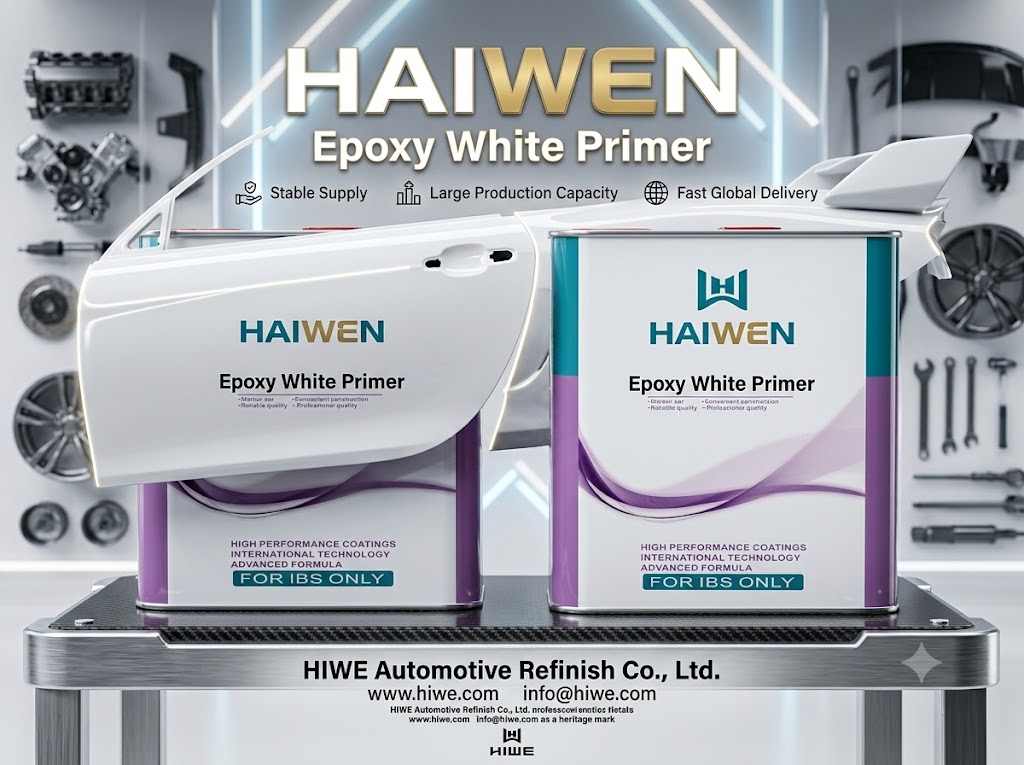
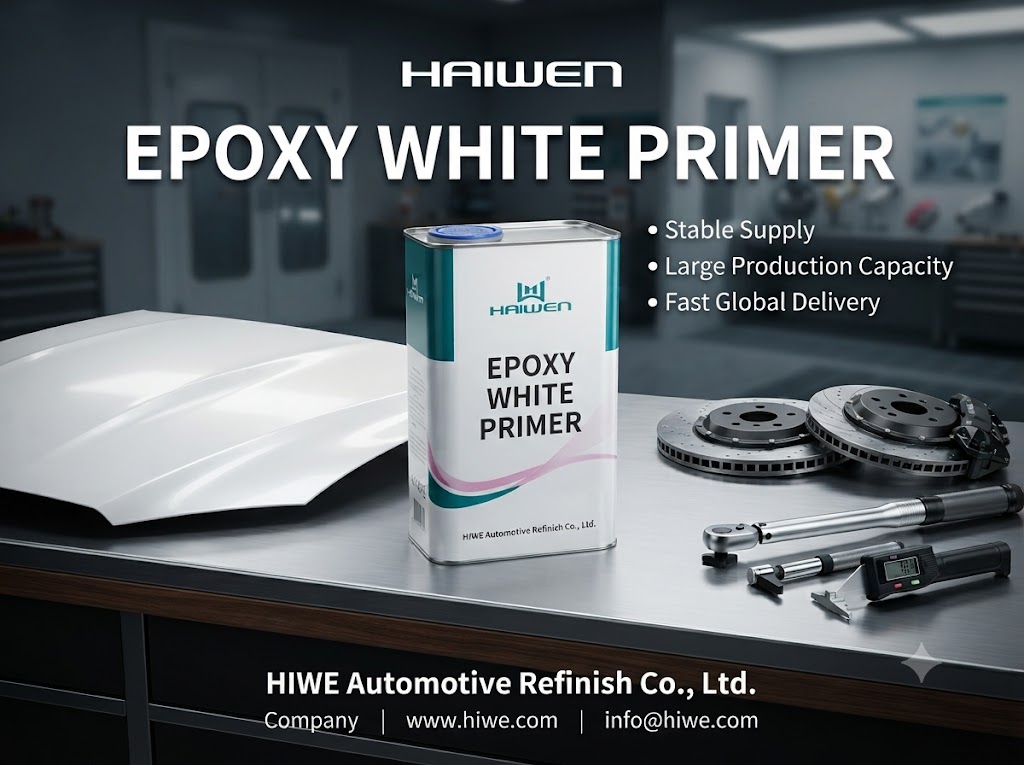
Epoxy white primer is a two-component coating that prepares surfaces for a durable topcoat. It combines resin and hardener to create a firm, smooth base with strong bonding power. The epoxy white primer helps paint adhere to metal, wood, concrete, fiberglass, and other prepared materials. Its white color improves surface brightness, supports accurate color matching, and makes surface flaws easier to identify before final painting. The epoxy white primer also seals small pores and creates a consistent foundation that can reduce uneven absorption. Once mixed according to the product instructions, the epoxy white primer forms a protective film that resists moisture, mild chemicals, abrasion, and everyday wear. This epoxy white primer is suitable for new construction, repair work, equipment refurbishment, and planned maintenance. The epoxy white primer can be applied by brush, roller, or spray equipment, depending on the project size and required finish. Good surface cleaning, light sanding, and correct mixing help the epoxy white primer deliver its intended performance. The epoxy white primer typically offers practical working time, dependable coverage, and a manageable recoat process. On steel and other metals, the epoxy white primer supports corrosion-control systems by separating the surface from air and moisture. For wood and composite materials, the epoxy white primer improves uniformity and helps later coats remain stable. The epoxy white primer is a useful choice when customers need a clean appearance, dependable adhesion, and a strong base for decorative or protective finishes. It gives contractors and maintenance teams a clear starting point for long-lasting coating work.

New Product Recommendations

The main advantage of an epoxy white primer is better preparation for the final coating. Instead of applying finish paint directly to a rough, porous, or inconsistent surface, users create a stable base that helps the topcoat look smoother and last longer. The epoxy white primer can reduce peeling, blistering, and early wear when the surface is cleaned and prepared correctly. Its strong grip also helps finish coatings stay attached during handling, cleaning, temperature changes, and routine service. Because it is white, the epoxy white primer can brighten dark substrates and help users spot missed areas, scratches, pinholes, or contamination before the project is complete. This visible base may support faster quality checks and more consistent color results. The epoxy white primer also helps reduce excessive topcoat absorption on suitable porous materials, which can improve material control and coverage. For workshops, fabricators, and maintenance departments, the epoxy white primer provides one practical layer for many common substrates. Teams can use the epoxy white primer on machinery, panels, frames, cabinets, doors, railings, and prepared concrete surfaces. Its resistance to moisture and mild chemicals adds useful protection in garages, plants, warehouses, marine areas, and service rooms. The epoxy white primer suits both small repairs and larger production programs because it can work with several application methods. The epoxy white primer also gives buyers useful flexibility when they need a light base under bright colors, pastel shades, or white finishes. Choosing the epoxy white primer can lower rework risk, simplify inspection, and support a more professional appearance. Users should still confirm substrate compatibility, mixing ratios, drying times, ventilation needs, and topcoat requirements before purchase. In practical terms, the epoxy white primer offers a balance of appearance, adhesion, surface protection, and application convenience. It helps customers make coating work more predictable while supporting a cleaner and more durable finished result.

Tips And Tricks

What Is the Difference Between Lightweight and Standard Body Filler?

31

Aug

What Is the Difference Between Lightweight and Standard Body Filler?

Understanding the distinction between lightweight and standard body filler is essential for anyone involved in auto body repair techniques. These two formulations serve the same general purpose of filling dents and imperfections in vehicle surfaces, ...
View More
How to Mix Body Filler and Hardener in the Correct Ratio?

31

Aug

How to Mix Body Filler and Hardener in the Correct Ratio?

Achieving a professional-quality finish in auto body repair requires understanding the fundamental chemistry and mechanics of body filler and hardener combinations. The correct ratio is not merely a suggestion but a critical factor that determines wh...
View More
What Makes Epoxy Primer Superior for Adhesion?

31

Aug

What Makes Epoxy Primer Superior for Adhesion?

When protecting metal surfaces against corrosion and environmental degradation, the foundation of any coating system determines its long-term performance. Epoxy Primer stands out as the preferred choice for professionals who demand superior adhesion,...
View More
How to Choose the Right 2K Surface Primer for Automotive Repair?

07

Apr

How to Choose the Right 2K Surface Primer for Automotive Repair?

Selecting the appropriate 2K surface primer for automotive repair projects requires careful consideration of substrate compatibility, environmental conditions, and performance requirements. Professional automotive refinishing demands primers that del...
View More

Get a Free Quote

Our representative will contact you soon.
Email
Name
Company Name
Message
0/1000

epoxy white primer

Bright Base for Better Color Control

Bright Base for Better Color Control

The epoxy white primer creates a light, even foundation that makes later colors look cleaner and more consistent. Dark metal, stained wood, and repaired areas can cause finish colors to appear uneven when they receive topcoat directly. The epoxy white primer reduces that visual variation by giving the finish a consistent starting shade. This benefit matters when customers want accurate color matching, especially for equipment, cabinets, signs, vehicles, doors, and architectural features. The epoxy white primer also makes thin spots and missed sections easier to see during inspection. Workers can identify sanding marks, pinholes, dust, or surface defects before applying the final layer. That visibility can reduce touch-ups and improve finished appearance. For bright or pastel colors, the epoxy white primer may help achieve the desired look with fewer finish coats, depending on coverage and product compatibility. The epoxy white primer therefore supports both attractive results and more controlled application planning.
Strong Adhesion Across Common Surfaces

Strong Adhesion Across Common Surfaces

The epoxy white primer is designed to grip properly prepared surfaces and provide a dependable base for compatible topcoats. This feature helps users coat materials that can otherwise create adhesion problems, including steel, aluminum, wood, concrete, fiberglass, and selected composites. The epoxy white primer bonds to the prepared surface while creating a firm film for the next coating layer. Customers benefit from a lower risk of flaking, lifting, and premature separation during ordinary use. In repair and refurbishment work, the epoxy white primer can help join existing surfaces with new finish systems, provided the old coating remains sound and compatible. Its broad application range makes the epoxy white primer useful for maintenance teams that handle different materials during the same work cycle. Contractors can also simplify product selection by using one primer for several approved substrates. The epoxy white primer supports reliable results when users remove grease, rust, dust, loose paint, and moisture before application.
Practical Protection for Demanding Work

Practical Protection for Demanding Work

The epoxy white primer adds a protective barrier before the decorative or performance topcoat is applied. The epoxy white primer helps limit contact between the substrate and moisture, air, mild chemicals, and daily abrasion. This protection is especially valuable on equipment, structural parts, workshop furniture, storage systems, and service components exposed to handling or changing conditions. The epoxy white primer can support corrosion-control coating systems on prepared steel by providing a continuous base under the recommended finish. It also helps seal suitable porous materials, which may reduce uneven absorption and improve film continuity. Customers gain a stronger foundation without needing a complicated coating process. The epoxy white primer works with brush, roller, or spray application, allowing users to match the method to the area, finish target, and available equipment. When teams follow mixing, thickness, drying, and ventilation instructions, the epoxy white primer can help extend maintenance intervals and reduce repeat work. Its combination of barrier protection and easy planning gives buyers useful long-term value.
Epoxy White Primer for Durable Protection