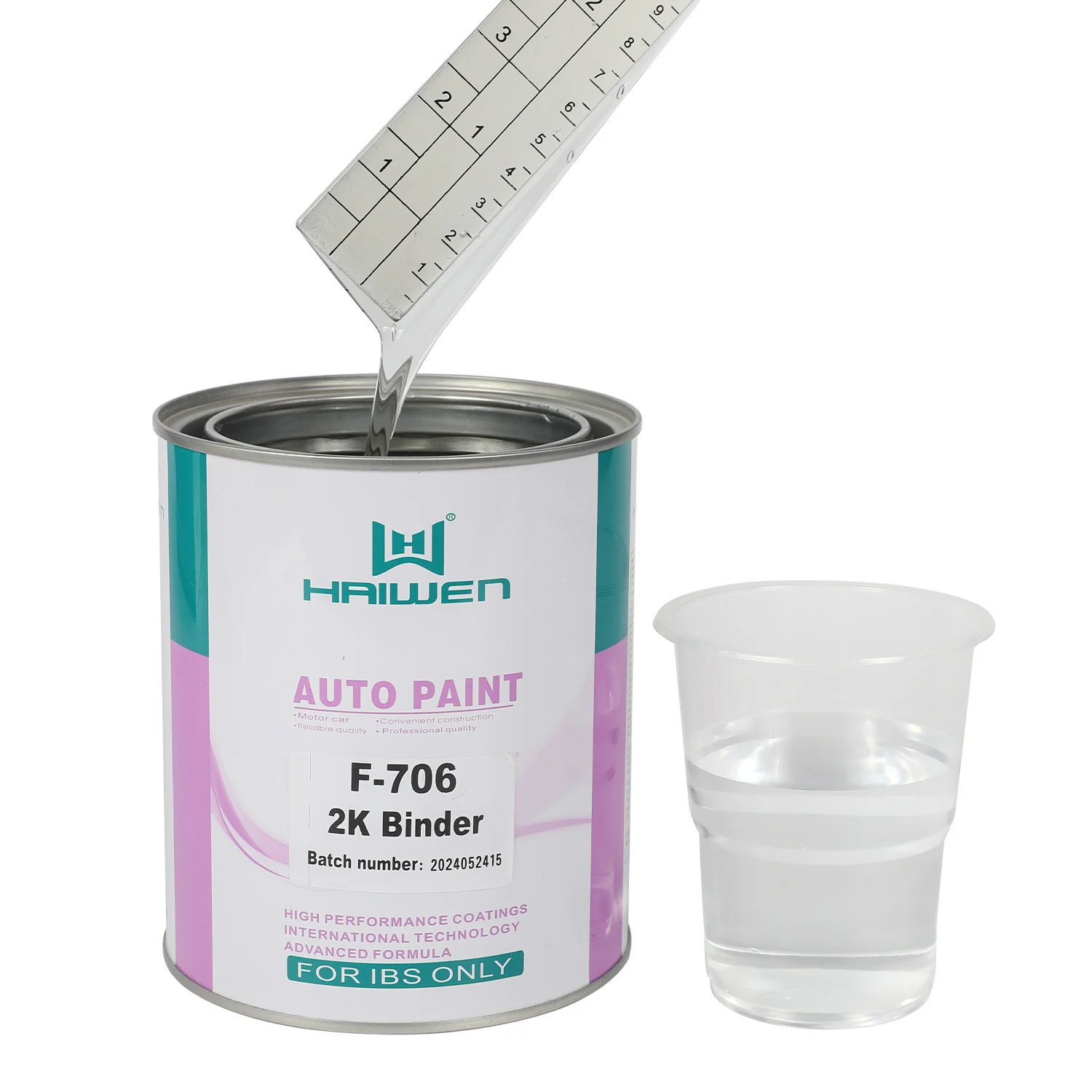
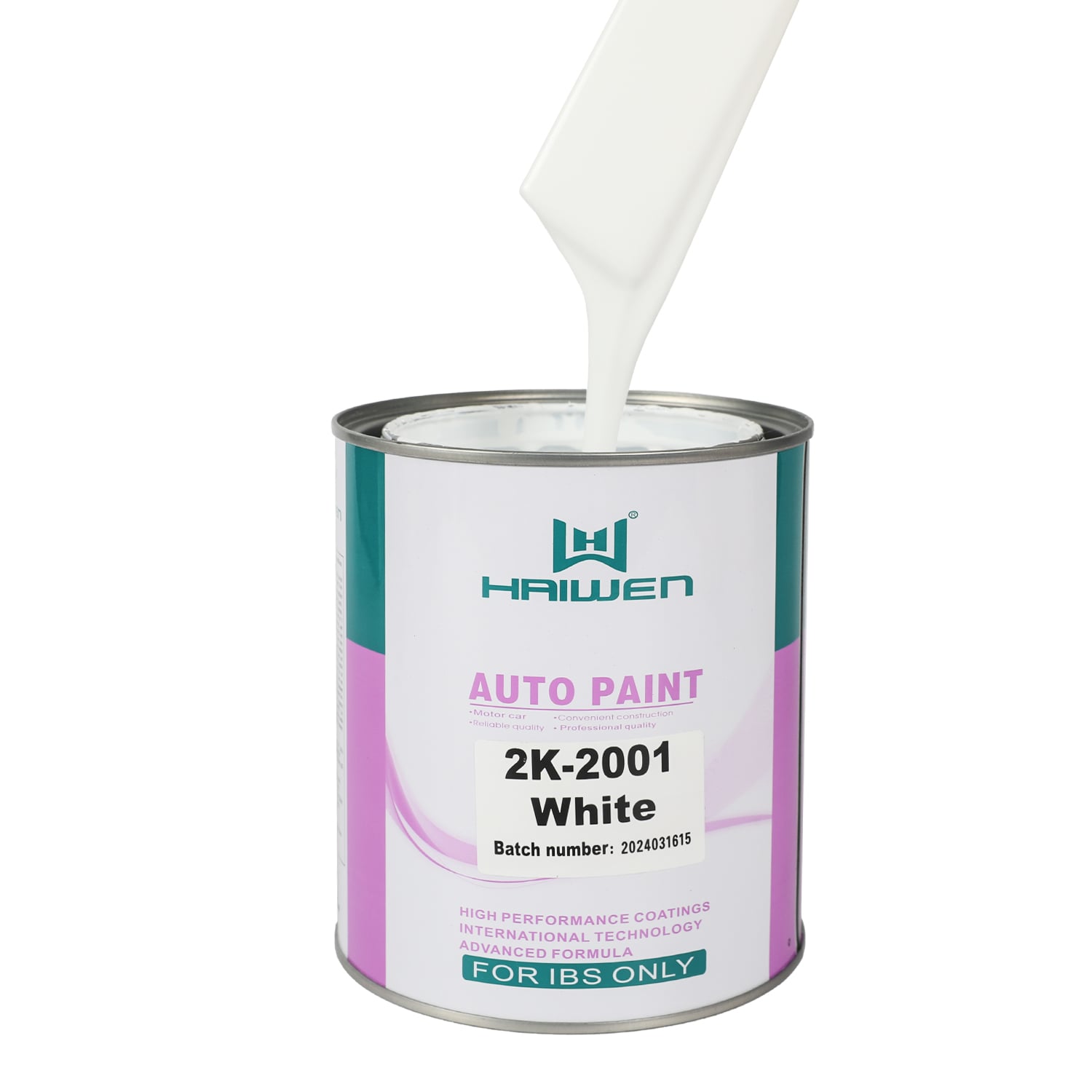
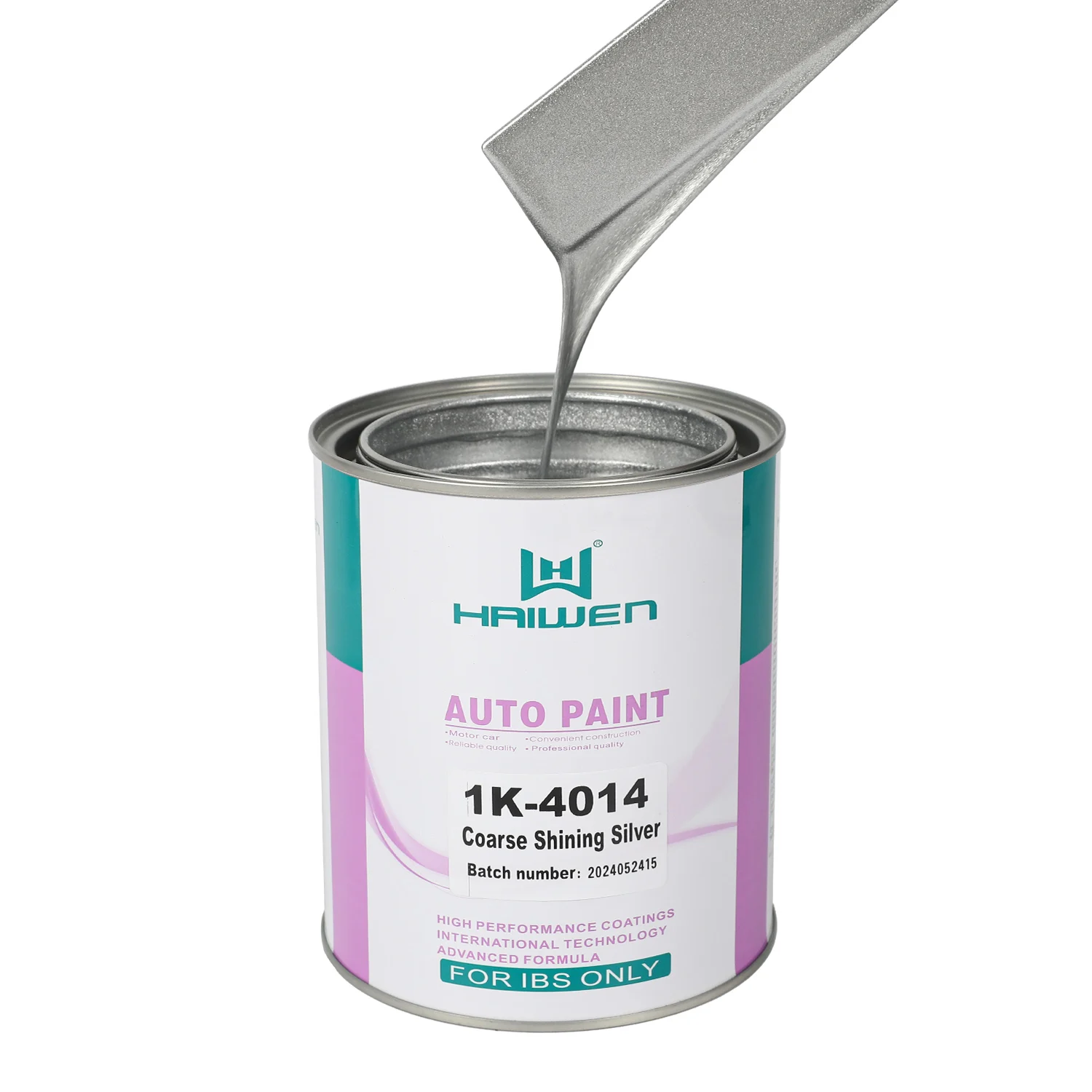
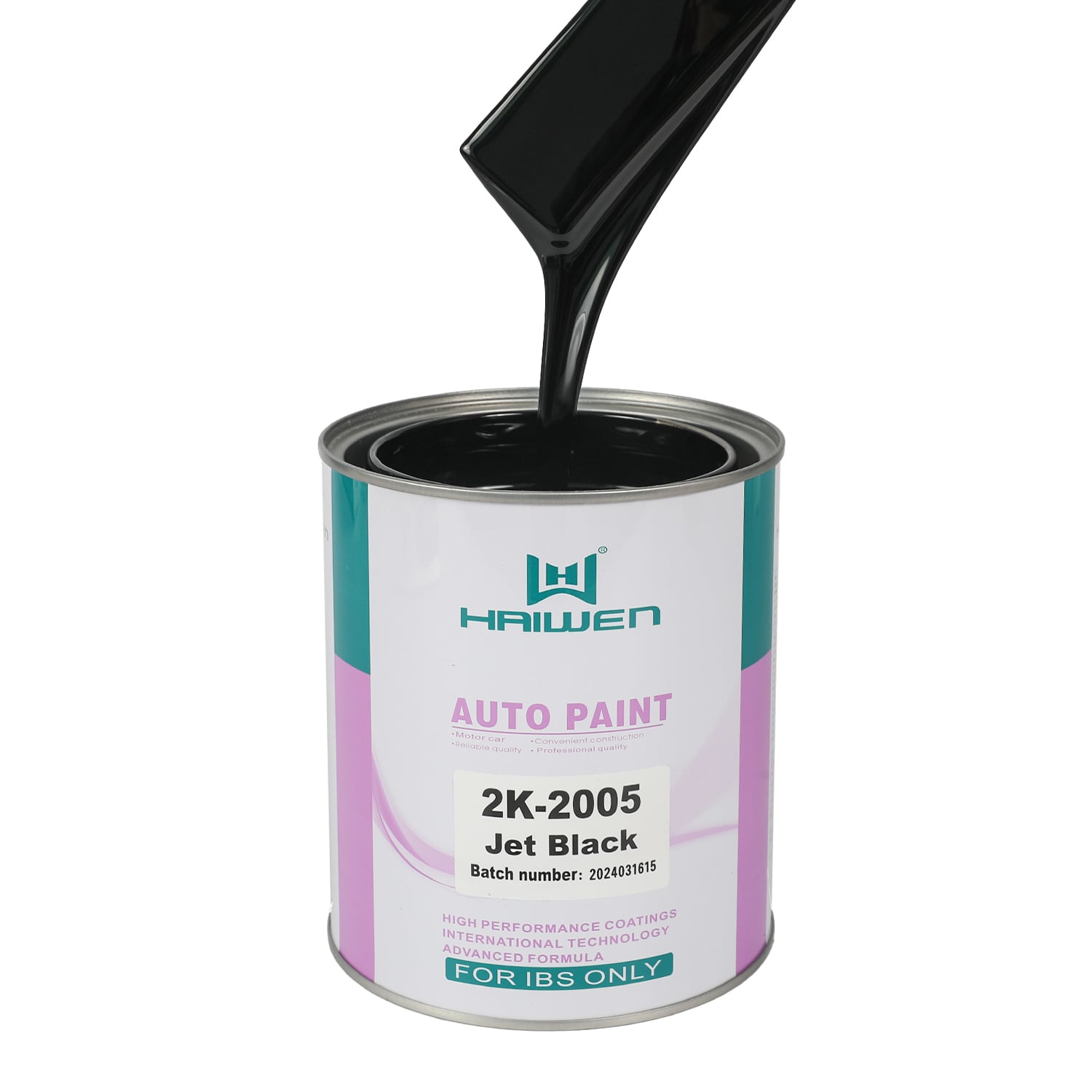
Epoxy Automotive Paint for Durable Repairs

All Categories

Get a Free Quote

Our representative will contact you soon.
Email
Name
Company Name
Message
0/1000

epoxy automotive paint

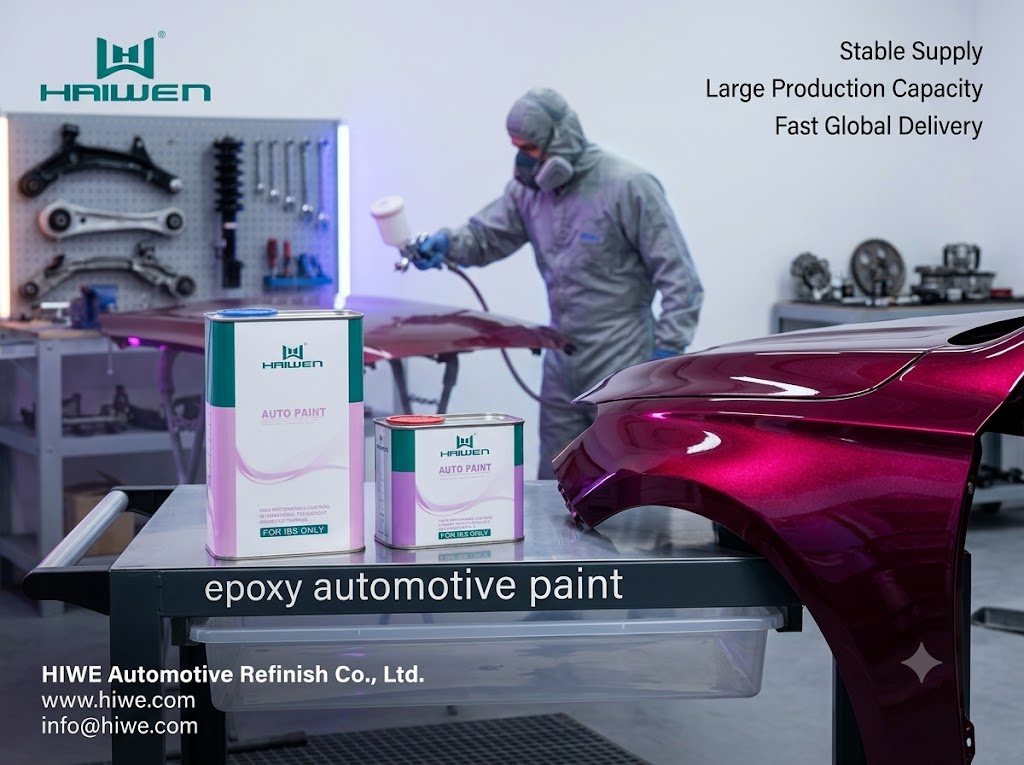
Epoxy automotive paint is a two-part coating designed to protect and refinish vehicle surfaces. It combines a resin with a hardener, creating a strong film after curing. An epoxy automotive paint system bonds to prepared steel, aluminum, galvanized metal, and selected body fillers, making it useful for restorations, repairs, and new fabrication. Unlike basic single-part coatings, epoxy automotive paint provides a firm foundation that helps resist moisture, fuel splashes, road salt, oils, and everyday chemical exposure. Modern epoxy automotive paint formulas support smooth application by spray, roller, or brush, depending on the product and job size. They may offer low-odor options, fast recoat times, adjustable gloss levels, and color choices for different vehicle requirements. A properly mixed epoxy automotive paint creates a sealed surface that reduces the risk of rust developing beneath later coats. It can also improve the appearance of panels by delivering even coverage and a consistent base for primer, color coat, or clear coat. For bodywork, epoxy automotive paint works on chassis parts, engine bays, wheels, frames, trailers, and selected exterior panels. In workshops, epoxy automotive paint helps technicians prepare repaired areas before applying finishing products. When selected for the correct substrate, epoxy automotive paint supports durable results with fewer touch-ups. Users should follow the technical sheet for mixing ratios, surface preparation, working time, safety equipment, and curing conditions. Overall, epoxy automotive paint offers a practical combination of adhesion, protection, and finish quality for professional and serious DIY vehicle projects.
Popular Products

The main advantage of epoxy automotive paint is longer-lasting surface protection. It forms a tough barrier that helps keep water, oxygen, salt, cleaners, and automotive fluids away from bare metal. That protection can slow corrosion and reduce the cost of repeated repairs. For owners restoring an older vehicle, epoxy automotive paint gives repaired panels a dependable base before color and clear coats. For commercial fleets, epoxy automotive paint can help parts keep a presentable appearance through frequent use and washing. Another benefit is strong adhesion. When technicians clean, degrease, sand, and prepare the surface correctly, epoxy automotive paint grips well and helps later layers stay attached. This lowers the chance of peeling, blistering, or early coating failure. Epoxy automotive paint also suits many work areas, including body panels, underbody components, frames, brackets, wheels, engine compartments, and workshop-fabricated parts. Buyers can choose a product according to spray equipment, available drying time, desired gloss, and exposure level. A fast-curing epoxy automotive paint may help a repair shop return vehicles to service sooner, while a slower formula can give more time for careful application on large surfaces. The sealed finish makes cleaning easier because dirt and oily residue have less opportunity to enter the coating. In addition, epoxy automotive paint can improve material use by reducing the need for repeated priming on properly prepared metal. It does not remove the need for sanding, ventilation, protective clothing, or compatible topcoats, so users should check product instructions before purchase. In practical terms, epoxy automotive paint offers durability, fewer maintenance interruptions, flexible application, and better confidence in the finished repair.

Tips And Tricks

What Makes Epoxy Primer Superior for Adhesion?

31

Aug

What Makes Epoxy Primer Superior for Adhesion?

When protecting metal surfaces against corrosion and environmental degradation, the foundation of any coating system determines its long-term performance. Epoxy Primer stands out as the preferred choice for professionals who demand superior adhesion,...
View More
How does poly putty improve surface leveling on automotive body panels?

07

Apr

How does poly putty improve surface leveling on automotive body panels?

Poly putty serves as a critical component in automotive bodywork, specifically designed to create smooth, uniform surfaces on body panels before final painting. This specialized filler material works by filling minor imperfections, smoothing surface ...
View More
How to Identify Automotive Primer Compatibility Issues?

17

Sep

How to Identify Automotive Primer Compatibility Issues?

Identifying automotive primer compatibility issues is essential for achieving a professional paint finish on any vehicle. When primers fail to bond properly with the substrate or topcoat, the entire paint system becomes compromised, leading to peelin...
View More
How to Apply Automotive Primer for Maximum Corrosion Resistance?

29

Oct

How to Apply Automotive Primer for Maximum Corrosion Resistance?

Applying automotive primer correctly is one of the most critical steps in achieving maximum corrosion resistance on metal surfaces. The foundation of any durable finish begins long before the top coat is applied, starting with proper surface preparat...
View More

Get a Free Quote

Our representative will contact you soon.
Email
Name
Company Name
Message
0/1000

epoxy automotive paint

Strong Barrier Against Rust and Chemicals

Strong Barrier Against Rust and Chemicals

Epoxy automotive paint creates a dense protective layer that helps shield metal from moisture, road salt, fuel, oil, and cleaning chemicals. This makes epoxy automotive paint valuable for vehicles that face wet climates, winter roads, heavy use, or regular workshop cleaning. The coating seals prepared metal before water can easily reach the surface, helping reduce flash rust and corrosion under later finish coats. On frames, floor sections, brackets, engine bays, and restored panels, epoxy automotive paint supports a more durable repair than a thin decorative coating alone. Its chemical resistance also helps preserve the surface when small spills occur during servicing. Buyers gain practical value through fewer early touch-ups and better protection for costly bodywork. Proper preparation remains essential: remove rust, clean grease, sand the substrate, and apply the correct mix. With those steps, epoxy automotive paint provides a reliable foundation for a long-lasting vehicle finish.
Reliable Adhesion for Repair and Restoration

Reliable Adhesion for Repair and Restoration

A key selling point of epoxy automotive paint is its ability to bond securely with properly prepared metal and compatible repair materials. This strong grip helps prevent lifting, flaking, and separation when a vehicle experiences vibration, temperature changes, washing, and daily road exposure. Epoxy automotive paint gives repair technicians a stable surface for later primers, color coats, and clear finishes, so the complete paint system can look more uniform. For restoration projects, epoxy automotive paint helps connect newly repaired sections with surrounding components while supporting consistent coverage. It also works well across many applications, from classic cars and motorcycles to trailers, utility vehicles, and fabricated parts. Customers benefit from a coating that supports dependable workmanship rather than hiding weak preparation. Before application, users should confirm substrate compatibility and follow the stated mix ratio. Correct preparation and curing allow epoxy automotive paint to deliver the secure base that demanding repairs require.
Flexible Application and Efficient Workshop Results

Flexible Application and Efficient Workshop Results

Epoxy automotive paint fits different project sizes and working methods, giving users useful control over time, finish, and equipment. Depending on the formula, epoxy automotive paint can be applied with a spray gun for broad panels, a roller for larger structural areas, or a brush for edges, brackets, and detailed parts. This flexibility helps professional shops and home users select a process that matches available tools. Epoxy automotive paint may also offer different cure speeds, gloss levels, colors, and recoat windows. A fast option can reduce waiting time between repair stages, while a longer working period can help users cover complex shapes carefully. The cured coating creates a smooth, cleanable surface that supports a professional appearance and easier maintenance. Customers should compare coverage, pot life, temperature limits, ventilation needs, and topcoat requirements before choosing. Used within those limits, epoxy automotive paint helps improve workflow without sacrificing protective performance.
Epoxy Automotive Paint for Durable Repairs