
 EN
EN

Mottling in metallic automotive basecoat remains one of the most frustrating defects in automotive refinish work. This uneven, spotty appearance undermines the visual quality of a finish, creating a cloudy or blotchy effect across metallic colors. Understanding the root causes and implementing proper automotive paint application techniques can eliminate this problem and deliver flawless metallic finishes that meet customer expectations and OEM standards.
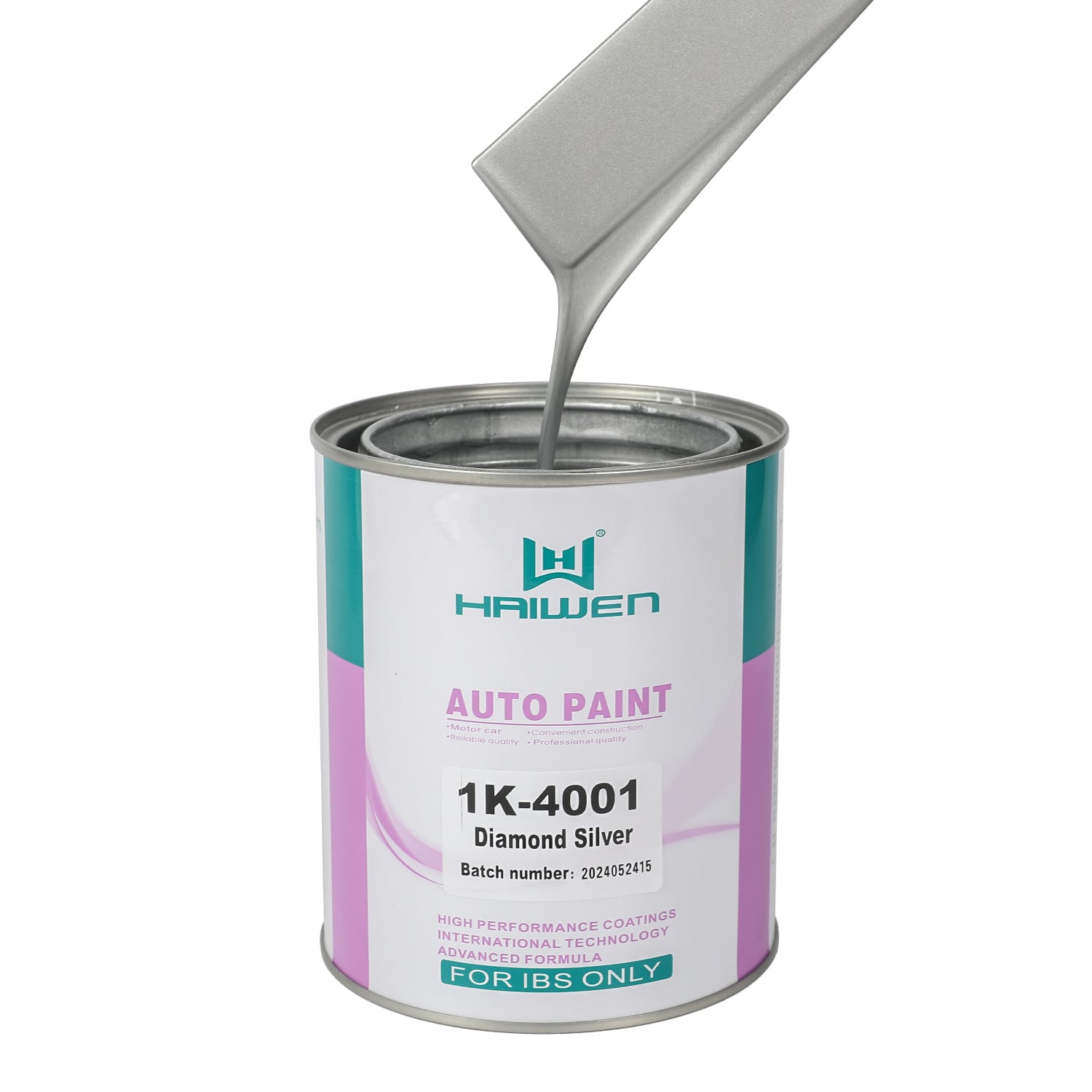
Mottling occurs when metallic particles in the automotive basecoat distribute unevenly across the painted surface. The irregular concentration of aluminum flakes or mica creates light and dark patches that are particularly visible under direct sunlight. This defect typically emerges during or immediately after application, affecting the entire appearance of the vehicle. Mastering the mechanics of basecoat clearcoat system application and refining your spray technique directly impacts mottling prevention and overall finish quality.
Understanding Mottling Causes in Metallic Finishes
Spray Technique and Pressure Variables
Incorrect spray pressure and application speed are primary culprits behind mottling defects. When spray gun pressure fluctuates or remains too high, metallic particles lose their uniform orientation and settle unevenly on the substrate. Conversely, insufficient pressure prevents proper particle suspension within the paint medium, causing premature settling and clumping. Mastering consistent automotive paint application techniques requires maintaining steady hand movement, appropriate gun distance, and regulated air pressure throughout each pass.
The spray pattern itself significantly influences mottling development. A fan pattern that is too narrow concentrates metallic particles densely in a small area, while an overly wide pattern disperses them too thinly. Each pass must overlap the previous one by approximately 50 percent to ensure even particle distribution. Professional applicators recognize that basecoat clearcoat system performance depends critically on consistent spray geometry and controlled atomization.
Environmental and Material Factors
Temperature and humidity create substantial impacts on metallic particle behavior during drying and settling. Cold conditions slow solvent evaporation, allowing particles to migrate within the wet film and concentrate unevenly. Excessive heat accelerates evaporation too rapidly, preventing proper metallic orientation before the film hardens. Optimal conditions typically range between 18 and 25 degrees Celsius with 45 to 65 percent relative humidity for most automotive refinish primer systems and basecoat formulations.
Paint viscosity and reducer selection directly affect metallic suspension and flow characteristics. When basecoat viscosity is too thick, metallic particles cannot suspend uniformly and settle rapidly into concentrated pockets. Using incorrect reducers or fast-drying variants can cause premature particle settling and mottling patterns. The automotive paint application techniques community emphasizes matching reducer types and ratios to environmental conditions and substrate temperature to maintain optimal flow and particle suspension throughout application.
Corrective Automotive Paint Application Techniques
Spray Application Best Practices
Proper technique begins with equipment verification and pressure calibration before each application session. Spray guns must be cleaned thoroughly to prevent residue buildup that disrupts atomization patterns. Set air pressure according to the paint manufacturer's specifications, typically between 1.8 and 2.5 bar at the cap for metallic basecoat applications. Maintain consistent gun distance from the surface, usually 25 to 30 centimeters, and move in smooth, overlapping passes at moderate speed without acceleration or deceleration mid-stroke.
Multiple thin coats produce superior results compared to fewer heavy applications when applying metallic basecoat formulations. Each coat should cover the entire panel with even particle distribution, with 5 to 10 minute flash-off times between coats depending on environmental conditions and product specifications. The basecoat clearcoat system architecture requires a well-executed basecoat foundation to achieve optimal clarity, depth, and metallic appearance when the protective clearcoat layer is applied overhead.
Surface Preparation and Substrate Conditioning
Proper substrate preparation prevents mottling by ensuring uniform paint adhesion and absorption rates across the repair area. All old paint must be sanded smooth to 180 to 220 grit, or higher for fine finishes, followed by tack cloth removal to eliminate dust particles that disrupt metallic particle orientation. The automotive refinish primer layer must be applied evenly and allowed proper cure time before basecoat application to prevent uneven solvent absorption that causes particle migration and blotchy appearance.
Masking and panel protection require careful attention to prevent contamination and ensure focused application on intended surfaces. Tight, properly sealed masking tape creates clean edges and prevents basecoat overspray that affects metallic particle distribution on adjacent areas. Some applicators use specialized masking techniques to isolate complex curves and edges, applying basecoat in controlled sections rather than entire panels, which improves consistency for the basecoat clearcoat system performance and reduces mottling risk significantly.
Diagnosing and Preventing Recurrent Mottling
Quality Control and Inspection Methods
Visual inspection under multiple lighting angles during application allows early detection of developing mottling patterns. Inspect basecoat panels using diffuse daylight, direct sunlight, and artificial lighting to identify uneven particle concentration before clearcoat application. Many automotive paint application techniques professionals photograph test panels under standardized lighting to establish baseline references for consistency checks. Early identification enables immediate correction through additional thin coats or surface preparation rather than requiring complete repainting after clearcoat application.
Maintain detailed application logs recording gun pressure, spray distance, environmental conditions, and product batch numbers for each job. This documentation helps identify patterns and correlate mottling occurrences with specific variables. When mottling appears consistently with certain automotive refinish primer types or reducers, experimental testing with alternative products can resolve persistent issues. Systematic troubleshooting based on recorded data accelerates root cause identification and prevents repeated defects.
Equipment Maintenance and Calibration
Regular spray gun maintenance ensures consistent atomization essential for even metallic particle distribution. Inspect air caps, fluid tips, and needle components for wear or contamination that alters spray pattern quality. Replace worn components proactively rather than waiting for performance degradation during production jobs. Professional shops establish preventive maintenance schedules and maintain detailed equipment service records to ensure all spray equipment operates within manufacturer specifications for optimal automotive paint application techniques performance.
Pressure gauges require periodic verification against calibrated standards to ensure accuracy. Faulty gauges may display incorrect readings, leading to improper pressure settings that cause or exacerbate mottling problems. Air lines should be drained regularly to remove moisture and oil contamination that affect paint flow and atomization consistency. The basecoat clearcoat system depends entirely on equipment performing reliably, making preventive maintenance a critical component of defect prevention strategy.
FAQ
What causes mottling to appear only after clearcoat application?
Mottling sometimes becomes visible only after clearcoat application because the clearcoat fills micro-surface irregularities and amplifies the appearance of uneven metallic particle concentration beneath. During basecoat application, slight texture variations mask light particle density variations, but smooth clearcoat creates a mirror finish that reveals every metallic particle inconsistency. Ensuring perfect basecoat application with even metallic distribution prevents this post-clearcoat discovery.
Can mottling be fixed by sanding and repainting the affected panel?
Yes, mottled panels can be corrected by sanding through clearcoat and basecoat layers, re-preparing the automotive refinish primer substrate, and reapplying basecoat using corrected techniques. However, prevention through proper automotive paint application techniques during initial application is far more cost-effective than rework. Complete surface refinishing requires additional labor, materials, and time away from production, making defect prevention the preferred approach for both efficiency and profitability.
How does humidity specifically affect metallic basecoat mottling?
High humidity slows solvent evaporation and allows metallic particles extended time to migrate within the wet film, causing them to settle into concentrated patterns rather than remaining uniformly distributed. Low humidity causes rapid solvent loss that can freeze particles in uneven concentrations before proper orientation occurs. The basecoat clearcoat system performs optimally in moderate humidity conditions where evaporation rates allow controlled particle settling and proper film formation before clearcoat application.